Smart Pet Stewardship in Senior Living Communities
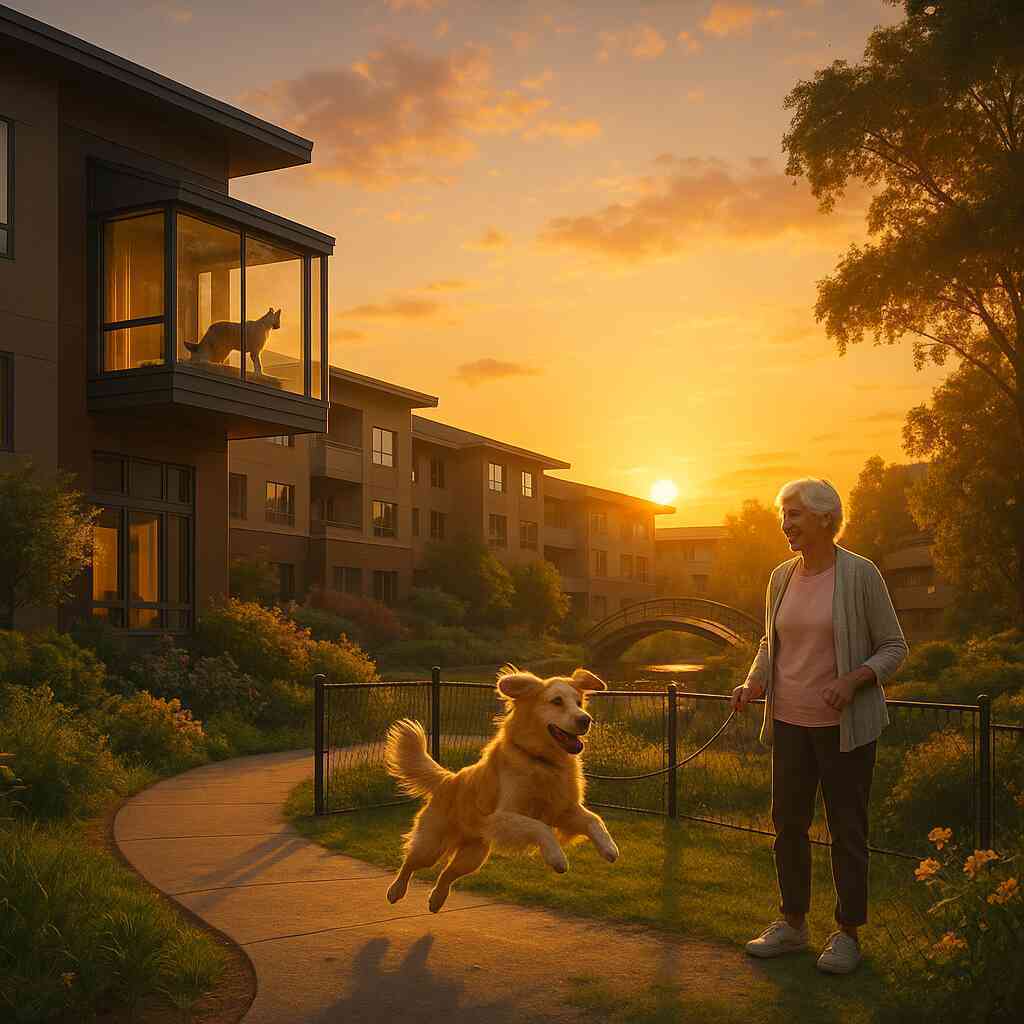
Welcoming Pets, Enriching Lives
Older adults increasingly expect to bring a dog, cat, or other companion when they move to a retirement setting. Thoughtful pet stewardship keeps residents healthy, protects community harmony, and distinguishes a property in a competitive market.
1. Why Pets Belong in Senior Housing
- Physical health – Routine walks boost mobility and help control blood pressure.
- Emotional balance – Interaction releases oxytocin, lowering stress and easing loneliness.
- Social connection – A friendly animal becomes a natural conversation starter, encouraging neighborly ties and inter-generational visits.
- Sense of purpose – Feeding and grooming deliver daily structure that can reduce depression risk.
The payoff is measurable: communities that welcome animals often report higher satisfaction scores and longer lengths of stay.
2. Designing Spaces for People and Animals
Indoor provisions
- Scratch-resistant flooring near entryways
- Built-in feeding nooks to reduce spills
- Utility sinks or pet-wash stations on each floor
Outdoor enhancements
- Fenced relief areas with shade and seating
- Routed walking loops free of steep grades
- Separate zones for small and large dogs to minimize conflict
Architects that plan for pets from day one save on later retrofits and avoid wear-and-tear surprises.
3. Crafting a Clear, Fair Pet Policy
A concise agreement prevents most disputes.
Elements to include:
- Accepted species and weight limits (with a waiver path for established companions)
- Vaccination and parasite control requirements
- Noise and waste expectations
- Designated emergency caregiver if a resident is hospitalized
- Annual renewal checkpoint with staff to confirm ongoing capability for daily care
Keep the language straightforward and review it in person during move-in so everyone understands the ground rules.
4. Daily Support Programs That Work
Even motivated residents can face mobility or memory challenges. Communities that offer the following services help pets stay put and healthy:
- Scheduled dog walking – Subsidized or à-la-carte, ideal after surgery or during inclement weather.
- On-site grooming van days – Reduces transport stress and hallway mess.
- Bulk supply delivery – Litter, food, and pee pads arrive at the door, eliminating heavy lifting.
- Quarterly vet clinics – Basic checkups and vaccinations at community rates keep compliance high.
These supports cost far less than an empty apartment caused by a forced pet surrender.
5. Integrating Therapy and Visiting Animals
When residents can no longer own a pet, they should still benefit from animal interaction.
- Certified therapy teams can schedule small-group visits to memory-care wings.
- Reading-to-animals programs encourage speech in residents with aphasia.
- Pocket-pet carts (rabbits or guinea pigs) travel easily between rooms for low-risk tactile engagement.
Track attendance and mood surveys to demonstrate impact and fine-tune schedules.
6. Allergy and Safety Mitigation
Balanced stewardship respects every resident, including those with sensitivities.
- Position pet-free apartments in one wing or floor.
- Install enhanced HVAC filters and increase hallway air exchanges.
- Post clear signage for designated relief areas to limit accidents on common lawns.
- Provide staff training on bite-prevention and safe animal handling.
Transparency builds trust and reduces grievances.
7. Staff Training Essentials
Front-line employees shape daily outcomes.
| Topic | Skills Covered |
|---|---|
| Basic animal behavior | Reading stress signals, leash etiquette |
| Sanitation protocols | Cleaning products safe for pets & seniors |
| Emergency response | Evacuation with animals, first-aid basics |
| Communication | How to address concerns without shaming owners |
A yearly refresher keeps knowledge current and reinforces a pro-pet culture.
8. Measuring Success
Collect data, not just anecdotes.
- Track resident retention among pet owners versus non-owners.
- Log falls during dog walks to adjust route maintenance.
- Survey allergy incidents to guide HVAC upgrades.
- Record therapy-animal visit frequency alongside depression-screen scores.
When leadership ties pet initiatives to health and occupancy metrics, budgets follow.
9. Quick-Start Checklist for Administrators
- Audit current apartments for pet-friendly flooring and patio screens.
- Draft or update the pet policy with resident input.
- Partner with a local veterinarian for on-site clinic days.
- Launch orientation classes covering grooming, nutrition, and emergency planning.
- Create a feedback loop—digital form or suggestion box—to catch problems early.
Key Takeaway
Responsible pet inclusion is no longer a perk; it is a pillar of person-centered senior living. Communities that blend clear rules, supportive services, and thoughtful design empower older adults to thrive alongside their cherished companions.
Best Pet Stewardship Practices in Senior Living Facilities


Comments
Post a Comment