Winter-Ready Assisted Living Facilities: Trends for 2026
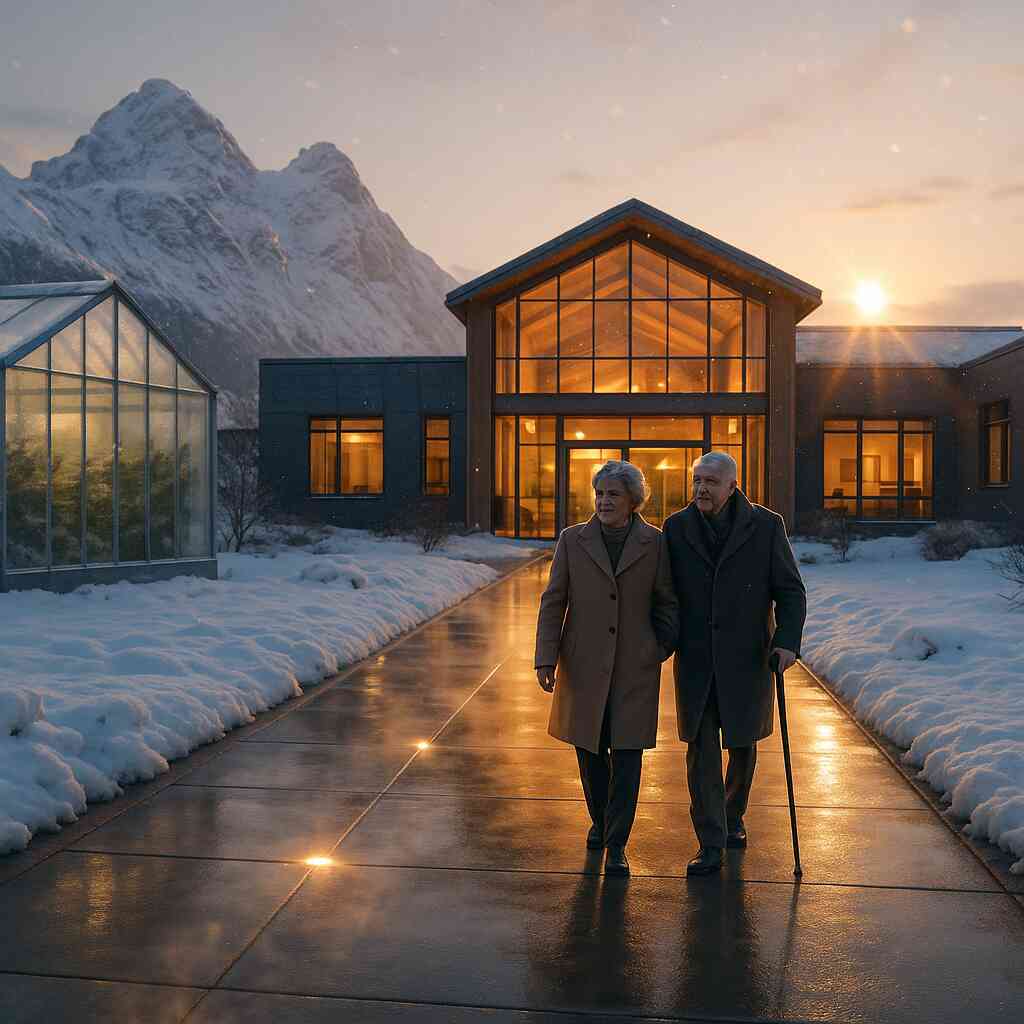
Older adults feel winter more intensely than any other age group, so the next generation of assisted living facilities is being designed from the ground up to keep residents warm, active, and emotionally engaged when temperatures drop. This overview explains why cold-climate innovations matter, what today’s residents expect, and which building strategies operators are embracing to deliver safe, energy-efficient comfort all season long.
Why Specialized Winter Design Matters
Chronic conditions such as heart disease, arthritis, and COPD can flare when indoor temperatures fluctuate or drafts sneak in through an old window seal. Cold stress also slows reaction time, increasing fall risk on slick floors. By integrating redundant heating systems, heated exterior walkways, and tight building envelopes, communities reduce hospital transfers while improving everyday quality of life.
Psychological health is equally important. Shorter daylight hours often trigger seasonal affective disorder (SAD). Facilities that incorporate brighter circadian lighting, indoor garden atriums, and year-round activity schedules help residents maintain positive mood and cognitive sharpness despite dark afternoons.
Evolving Resident Expectations
Today’s incoming residents—the first waves of tech-savvy Baby Boomers—do not want a one-temperature-fits-all environment. They expect:
• Smart, room-by-room thermostats they can adjust without calling maintenance.
• Reliable Wi-Fi so telehealth appointments and video chats with family continue uninterrupted during snowstorms.
• Wellness programming that adapts to weather, such as indoor pickleball courts, virtual reality travel clubs, and chef-led demonstrations of heart-healthy comfort foods.
• Demonstrated sustainability credentials, from Energy Star appliances to low-carbon heating, that align with their personal values and control monthly fees.
Communities that personalize comfort and embrace green technology position themselves as premium choices in competitive regional markets.
Key Infrastructure Innovations
High-Performance Building Envelopes
Airtight construction remains the first line of defense. Triple-paned windows, insulated door cores, and spray-foam sealed attic penetrations prevent heat loss and drafts. Many operators now commission infrared scans every fall to verify there are no hidden gaps around electrical outlets, plumbing stacks, or soffit vents.
Low-Carbon Heating Solutions
Geothermal Heat Pumps
• Rely on the constant temperature below ground to deliver steady warmth while using 40–60 % less electricity than electric resistance heat.
• Eliminate on-site combustion, improving indoor air quality for residents with asthma or COPD.Air-Source Heat Pumps Rated for Sub-Zero Climates
• Recent models maintain 100 % heating capacity down to –15 °F.
• Ideal for retrofits because they connect to existing ductwork or can be paired with ductless heads in individual apartments.Solar Thermal Pre-Heat
• Rooftop collectors warm domestic hot water, cutting boiler run-time during peak morning shower periods.
Resilient Backup Power
Extreme storms are more common, making generator redundancy crucial. Best practice now includes dual-fuel generators (natural gas plus propane) and dedicated battery storage for critical medical devices like oxygen concentrators and refrigerated medications.
Heated Mobility Surfaces
• Hydronic tubing beneath outdoor walkways prevents ice buildup without chemical de-icers that can damage pets’ paws or landscape plantings.
• Interior thresholds feature recessed grit strips that trap moisture before walkers or wheelchairs cross hardwood floors.
Adaptive Lighting and Biophilic Design
• Tunable LED fixtures gradually shift color temperature to mimic sunrise and sunset, reinforcing natural circadian rhythms.
• Glass-roofed conservatories provide sunlight, fresh herbs for the kitchen, and a destination for winter walking programs.
Retrofitting Existing Senior Apartments
Not every operator can build new. Cost-effective upgrades often start with:
• Blower-door testing to measure air leakage.
• Adding dense-pack cellulose insulation in empty wall cavities.
• Swapping single-stage furnaces for variable-speed models that hold a steadier temperature and humidity level.
• Installing window inserts—clear acrylic panels that mount inside existing frames to create an insulating air gap without full replacement.
Even partial improvements typically reduce heating bills 15–25 %, savings that can be redirected to resident activities or staffing.
Supporting Emotional Well-Being During Long Winters
Keeping spirits high is as important as keeping temperatures stable. Successful programs blend physical, social, and creative outlets:
• Indoor "snow days" with hot cocoa bars and storytelling circles triggered whenever local schools close.
• Guided meditation sessions under full-spectrum lights to combat SAD.
• Transportation partnerships with ride-share companies that use four-wheel-drive vehicles, ensuring medical appointments remain accessible.
• Volunteer opportunities such as knitting blankets for neonatal units, letting residents contribute to the wider community from the warmth of the craft studio.
Choosing a Winter-Ready Community
Families evaluating options should look beyond décor and ask precise questions:
• What secondary heat source is available if the main boiler fails?
• How often are HVAC filters changed during peak flu season?
• Are there indoor walking loops wide enough for two wheelchairs to pass safely?
• Does the activity calendar include daily events even when weather cancels outings?
Seeing documented plans—rather than verbal assurances—builds trust that a facility can deliver comfort no matter how harsh the forecast.
Looking Ahead
As 2026 unfolds, climate projections continue to call for more temperature swings and compacted storm systems. Assisted living operators that treat winterization as a holistic strategy—not a checklist—will protect resident health, control operational costs, and stand out in a market that rewards proactive care.
For families and professionals alike, keeping an eye on the newest heating methods, resiliency standards, and engagement ideas will ensure every resident experiences winter as a season of safety, connection, and warmth rather than a period of risk.
Exploring Future of Assisted Living Facilities in Winter


Comments
Post a Comment