Winter Wellness Strategies for Senior Living Communities
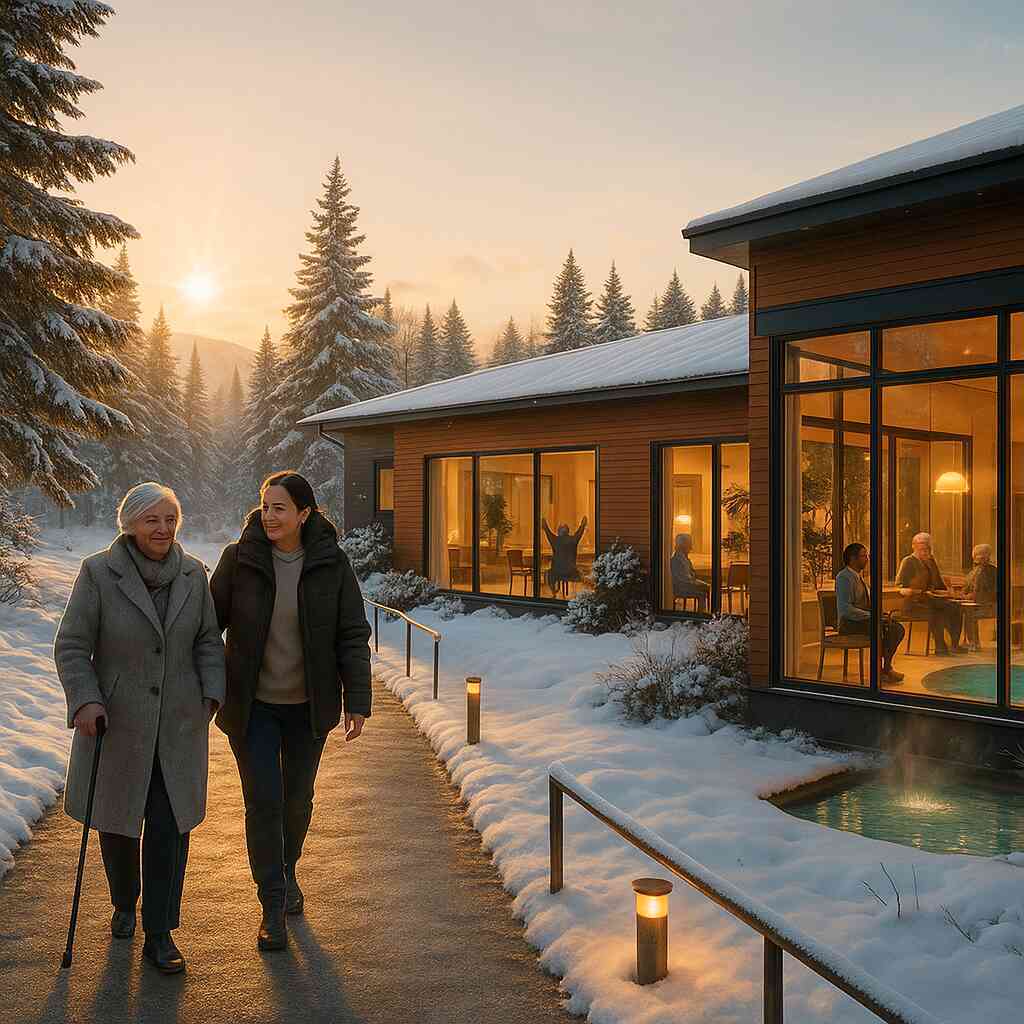
Staying Strong Through the Cold Months
Older adults face extra hurdles when temperatures drop. Circulation slows, joints stiffen, and viral infections travel quickly through shared spaces. This guide looks at practical, evidence-based steps senior living communities can take to keep residents healthy, mobile, and emotionally connected all winter long.
Why Winter Demands a Specific Plan
- Physiological changes such as reduced vasodilation make seniors more vulnerable to hypothermia even indoors.
- Immune response weakens with age, so a mild cold for one resident can become pneumonia for another.
- Environmental hazards—ice, snow, early darkness—add significant fall risk.
- Emotional health often dips as daylight shrinks and outdoor social time declines.
A written seasonal protocol ensures that staff, residents, and families all know what is expected and how to respond when conditions change quickly.
Core Elements of a Winter Wellness Protocol
1. Temperature Safety
- Inspect HVAC systems and space heaters before the first frost.
- Maintain indoor temperatures between 68 °F and 72 °F; monitor with smart sensors in common areas and private suites.
- Provide layered blankets and thermal socks but avoid overly heavy bedding that can hamper breathing.
2. Robust Infection Control
- On-site flu, COVID-19, and pneumonia vaccination clinics with clear consent procedures.
- Weekly hand-hygiene demonstrations during meal times.
- Portable HEPA or UV-C filtration units in activity rooms.
- Symptom screening logs at shift changes to catch early signs of infection.
3. Fall-Prevention Upgrades
- Contract snow removal for sidewalks and parking lots with guaranteed service within two hours of accumulation.
- Apply non-slip floor wax in hallways and replace worn entry rugs.
- Offer free ice-gripping shoe covers for residents who still venture outside.
4. Medication & Nutrition Review
- Pharmacist-led checks for drugs that may impair thermoregulation or balance.
- Winter menu rotation focused on lean proteins, vitamin-C rich produce, and warm hydration options such as caffeine-free teas.
- Registered dietitian available to adjust calorie counts for residents with lower winter activity levels.
5. Mental Health & Social Connection
- Light-therapy stations in libraries for residents prone to seasonal affective disorder.
- Virtual family game nights streamed to resident TVs when travel is impossible.
- Story-sharing circles and craft workshops scheduled for late afternoon—an important time when loneliness tends to peak.
Tailoring the Plan to Different Housing Models
Independent Living Cottages
Residents living in detached units value autonomy. Communities can:
- Share daily walking paths cleared of snow by 9 a.m.
- Offer instructor-led resistance band classes in the clubhouse when outdoor walks aren’t safe.
- Provide grocery delivery coordination so residents avoid icy parking lots.
55-Plus Apartment Communities
Large shared lounges become wellness hubs:
- Host “Soup & Stretch” mornings—gentle chair yoga followed by a nutrient-dense broth.
- Install digital bulletin boards that display real-time weather warnings and shuttle departures.
Assisted Living Wings
Residents here require hands-on support:
- Schedule nursing rounds that include toe-temperature checks for circulation issues.
- Keep a portable pharmacy cart to deliver antibiotics or antivirals without exposing the entire wing.
- Use motion-sensing night lights to reduce falls during darker mornings.
Skilled Nursing & Memory Care Units
Higher acuity means stricter controls:
- Create isolation suites that can be activated within minutes should an outbreak occur.
- Train staff in respiratory therapy maneuvers to prevent aspiration pneumonia in bedridden residents.
- Rotate specialized recreational therapists to provide sensory blankets, aroma therapy, and reminiscence sessions that calm agitation when outdoor walks are impossible.
Indoor Fitness Ideas When Sidewalks Are Icy
- Ten-minute hallway “mile” challenges with rest benches every 50 feet.
- Seated tai chi videos broadcast on closed-circuit TV.
- Balloon volleyball in multipurpose rooms for light cardio and laughter.
- Warm-water pool sessions—ideal for arthritis relief—scheduled early to allow ample time for hair-drying before residents head to cooler hallways.
Keeping Families in the Loop
Transparency builds confidence and reduces anxiety:
- Email weekly wellness reports that highlight infection rates, temperature audits, and upcoming social events.
- Offer secure video portals where family members can see loved ones participate in activities.
- Share clear visitation guidelines that adjust as local public-health recommendations evolve.
Staff Education and Morale
Healthy residents rely on healthy caregivers. Winter plans should include:
- On-site flu clinics for staff with paid time to receive vaccines.
- Break-room stocks of hand cream to combat sanitizer-related skin irritation.
- Car battery jump kits and meal vouchers for employees delayed by storms, ensuring shifts stay fully staffed.
Measuring Success
Communities can track:
- Vaccination uptake percentage.
- Number of fall incidents per 100 residents.
- Timeliness of snow removal relative to contract terms.
- Resident satisfaction scores from monthly surveys.
Publishing these metrics on lobby bulletin boards reinforces accountability and allows quick adjustments.
Key Takeaways
Winter wellness is not a single initiative but a coordinated program touching every aspect of daily life—from HVAC vents to hobby calendars. By combining environmental controls, proactive medical care, engaging activities, and open family communication, senior living communities create a secure, uplifting atmosphere where residents can thrive even when the weather outside is unforgiving.
A thoughtful winter plan protects more than physical health; it preserves independence, dignity, and the joy that makes cold mornings worth greeting.
Winter Wellness at Senior Living Facilities Near You


Comments
Post a Comment