Emerging Art Therapies Elevating Wellness in Senior Living
A New Canvas for Aging Well
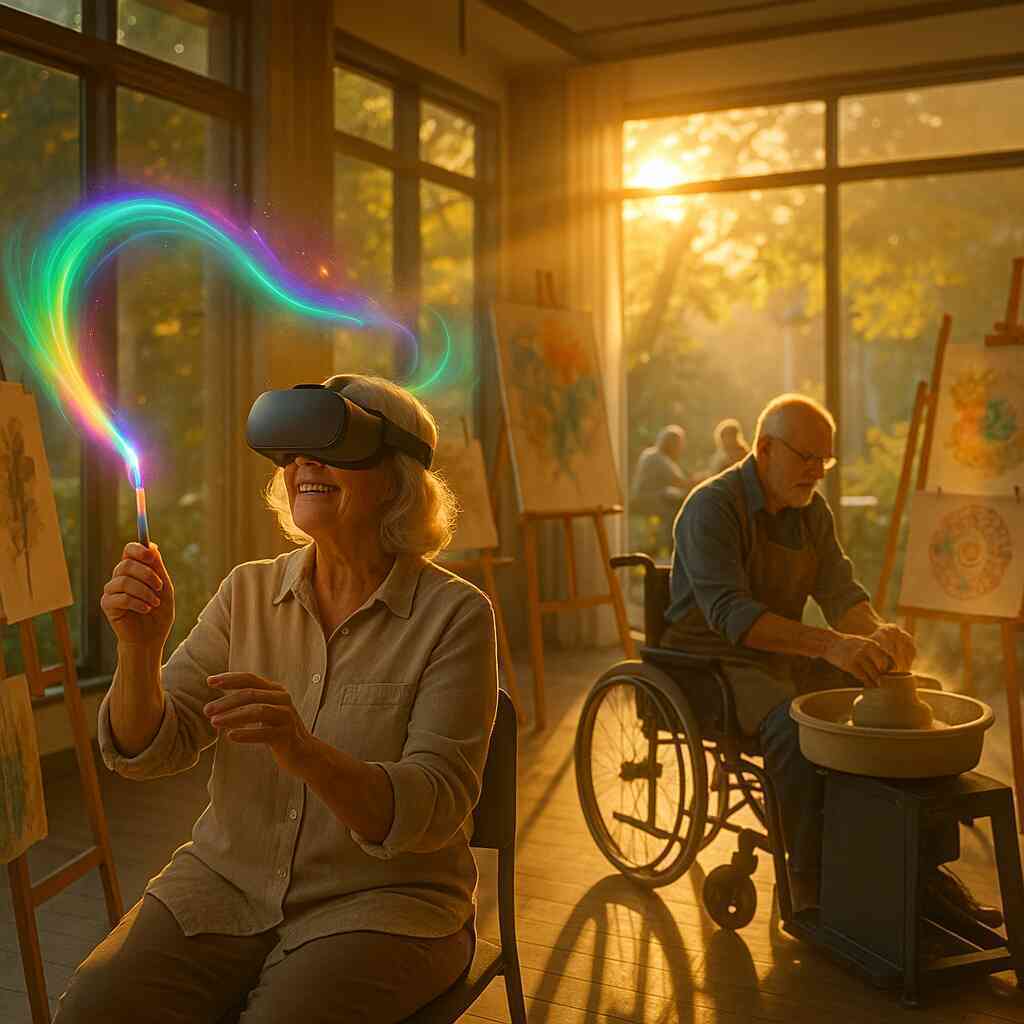
Creative expression is no longer a pleasant extra in senior housing—it is a core wellness practice on par with strength training or medication management. From adaptive pottery wheels to virtual reality painting studios, senior living communities are investing in evidence-backed art therapies that nurture the mind, body, and spirit.
Why Artistic Engagement Matters
Research continues to confirm what many caregivers observe every day: making art sparks measurable health benefits.
- Neurological boost – Focused, repetitive motions such as brushstrokes or beading stimulate neuroplasticity, improving memory recall and processing speed.
- Mood regulation – The rhythmic nature of drumming or weaving lowers cortisol and promotes serotonin, easing anxiety and mild depression.
- Motor coordination – Fine-motor tasks help maintain dexterity, grip strength, and overall hand–eye coordination.
- Social connection – Group classes create effortless conversation starters, reducing isolation and supporting immune resilience.
By addressing cognitive, emotional, and physical domains at once, expressive arts fill gaps traditional therapies miss.
Trending Modalities Inside Today’s Communities
1. Virtual Reality (VR) Painting Labs
Lightweight headsets let residents “step into” a 360-degree canvas and paint broad strokes with small wrist movements. Because the environment adapts to tremors or limited range of motion, even individuals with advanced arthritis can create large-scale works. Communities report that VR sessions encourage residents who shy away from traditional supplies to try art for the first time.
2. Rhythmic Drumming Circles
Large, soft-sided drums and egg shakers make percussion accessible. Facilitators guide simple patterns that align with breathing exercises, doubling as mindfulness practice. Participants experience immediate mood elevation, and the collective tempo fosters teamwork and laughter.
3. Mindful Collage and Memory Quilting
Cutting, arranging, and gluing images tied to personal milestones helps residents process life transitions. Some facilities integrate storytelling stations where oral histories are recorded while the artwork is assembled, preserving legacy for families.
4. Sensory-Adaptive Painting Rooms
Color-changing LED walls, aromatherapy diffusers, and adjustable lighting create an immersive studio that supports low-vision or cognitively impaired residents. Voice-activated easels can tilt or raise at a spoken command, promoting independence.
5. Ceramic and Glass Firing Studios
Modern kilns with auto-shutoff features improve safety, while adaptive rolling pins and weighted brushes compensate for tremor. The tactile nature of clay offers a grounding experience and provides powerful hand-strength exercise.
Designing Spaces That Invite Everyone
Forward-thinking architects prioritize creativity when drafting new senior housing footprints.
- Natural light is treated as essential, with north-facing windows and skylights minimizing glare.
- Adjustable workstations move from seated to standing height, accommodating wheelchairs and walkers.
- No-spill palettes and magnetic paint cups reduce mess and frustration.
- Way-finding cues—color-coded floors, clear icons, and large-print signage—help residents with cognitive decline navigate to studios on their own.
By embedding accessibility into the room itself, communities shift the narrative from “special activity” to everyday living.
Measuring Impact Beyond Fun
Wellness teams increasingly track creative engagement as a clinical data point.
- Mood scores recorded before and after sessions show consistent drops in anxiety and agitation.
- Sleep quality improves on nights following evening art classes, verified with wearable trackers.
- Rehospitalization rates decrease when residents participate in goal-oriented projects during post-surgery rehab.
- Staff retention climbs because engaging, upbeat environments reduce burnout.
These metrics justify funding for supplies and certified art therapists and help families see tangible value in program fees.
Integrating With Clinical Care Plans
Occupational and physical therapists now collaborate directly with art facilitators. A resident recovering from a shoulder replacement might practice range-of-motion exercises through large paper mural work, turning rehab into a motivating group activity. Likewise, speech-language pathologists use lyric writing or choir warm-ups to strengthen vocal cords in residents with Parkinson’s disease.
Building Community Through Exhibition
Finished pieces rarely stay hidden in storage closets. Many campuses feature rotating gallery corridors where residents curate their own shows. Opening receptions invite families, local school groups, and museum partners, positioning the facility as a cultural hub rather than an isolated care setting. The pride of seeing one’s work on display reinforces purpose and self-worth—critical components of healthy aging.
Practical Tips for Families Touring Facilities
- Ask to see the dedicated studio space and note lighting, ventilation, and adaptive equipment.
- Review the qualifications of facilitators. Certified art therapists bring clinical insight that hobby instructors may lack.
- Inquire about frequency. Weekly sessions should be standard, with open studio hours for self-directed use.
- Look for evidence of resident exhibitions or collaborative community projects, which signal a mature, well-supported program.
The Bigger Picture
Senior living is shedding the image of passive recreation. In its place stands a vibrant ecosystem where older adults continue to grow, explore, and contribute artistically. Emerging art therapies offer more than diversion; they provide measurable health dividends, deeper social bonds, and a renewed sense of identity.
As communities across the country adopt these practices, prospective residents and families can rightfully expect kiln rooms beside fitness centers and VR paintbrushes next to blood-pressure cuffs. Aging might be inevitable, but it can still be rich with color, texture, and creative purpose.
What Are Emerging Art Therapies at Senior Living Facilities


Comments
Post a Comment