How to Evaluate Telehealth Quality in Senior Living Homes
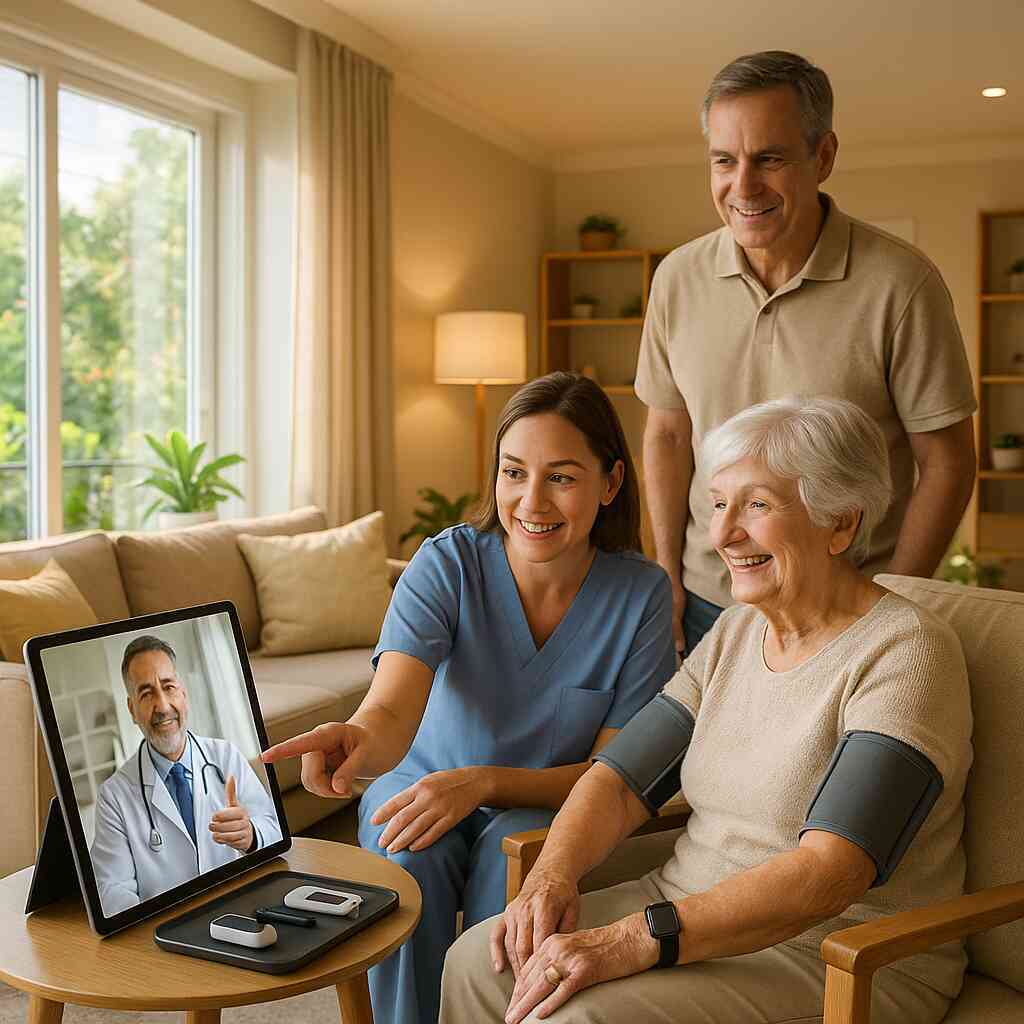
Virtual Care Comes of Age in Senior Living
Older adults no longer need to leave the building for most routine check-ins. High-definition cameras, digital stethoscopes, and remote monitoring devices now make virtual physician visits feel almost as personal as a face-to-face encounter. Yet not every community delivers the same level of quality. This overview explains the main benchmarks, technology must-haves, and resident experience factors that separate an average telehealth program from an exceptional one.
1. Clinical Outcomes: The Ultimate Scorecard
Quality begins with measurable results. Leading senior living communities track a concise set of indicators that capture both day-to-day wellness and long-term disease control:
- Hospital readmission rate within 30 days of a virtual visit
- Average resident blood pressure, A1C, or oxygen saturation trend over 90 days
- Wound-healing progression for residents receiving virtual dermatology or podiatry care
- Medication adherence verified through connected pill dispensers
- Emergency transfers triggered by remote monitoring alerts versus traditional nurse observation
Facilities that publish steady downward trends on these markers signal that their telehealth workflows are truly improving health, not just adding convenience.
How to use these numbers
Clinical dashboards should be reviewed at least monthly by a multidisciplinary team—nurses, physicians, rehabilitation staff, and IT. When a metric drifts in the wrong direction, rapid video huddles allow the team to adjust treatment plans or technology settings before minor issues become crises.
2. Connectivity: The Hidden Backbone
A flawless video connection is more than a comfort feature; it directly impacts diagnostic accuracy. Pauses or pixelation can hide facial droop during a stroke assessment or muffle lung sounds during a COPD flare-up. Communities committed to quality take three steps:
- Bandwidth audit – Verify sustained upload and download speeds during peak hours in every resident area used for telehealth.
- Redundancy plan – Deploy a secondary Internet path (fiber ring, cellular backup, or satellite) so care continues during an outage.
- Network security hardening – Segment telehealth traffic from general Wi-Fi to reduce congestion and protect data integrity.
Rural properties often qualify for specialized broadband grants. Even in cities, a managed service agreement that guarantees uptime can pay for itself by eliminating costly repeat visits.
3. Workflows That Respect the Resident
Technology only works when older adults and their caregivers feel at ease. Evidence shows three touchpoints that shape perception:
a. Human presence
A familiar nurse or aide should remain in the room for introductions, camera framing, and note-taking. Their steady presence bridges the gap between the resident and the remote clinician.
b. Environment design
Soft lighting, minimal background noise, and an easy-to-see screen encourage eye contact. A rolling telehealth cart or fixed kiosk positioned at wheelchair height prevents awkward postures.
c. Consistency and follow-up
After the call, caregivers should recap instructions in plain language and schedule any next steps on the spot. Repetition builds comfort; most residents report full confidence after just two or three seamless sessions.
4. Privacy and Security: Trust Builders, Not Obstacles
Seniors frequently discuss intimate health details, finances, and end-of-life preferences. A single breach can erode trust for years. High-quality programs rely on:
- End-to-end encryption for video, audio, and chat messages
- Multifactor authentication for all providers and staff
- Annual staff training that covers camera placement, headset etiquette, and on-screen privacy indicators
- Clear consent forms written in everyday language, available in large-print versions
Residents appreciate visible cues such as an indicator light that confirms the session is encrypted and private. When they feel in control, participation rates and disclosure quality both rise.
5. Integrated Documentation: From Call to Chart
The best telehealth platforms feed directly into the community’s electronic health record. Real-time notes mean no transcription delays, fewer medication errors, and immediate visibility for the entire care team. Look for systems that:
- Tag every virtual visit with standardized diagnosis and procedure codes
- Auto-import vital sign streams from wearables and in-room devices
- Trigger alerts to pharmacy or rehabilitation staff when new orders are entered
Seamless integration not only improves accuracy—it also frees nurses from redundant data entry so they can spend more time with residents.
6. Staffing and Training: Competence at Every Level
Even the most advanced platform fails if staff feel unsure. Communities striving for excellence:
- Name a Telehealth Champion—usually a nurse educator—who owns training and quality review
- Conduct quarterly skills refreshers that include mock calls and troubleshooting drills
- Build telehealth competencies into annual performance evaluations
When staff confidence grows, resident confidence follows.
7. Cost Transparency and Value Measurement
Families increasingly weigh telehealth quality when choosing a community. Transparent reporting—shared during tours or family council meetings—helps them appreciate the program’s value. Consider presenting:
- Year-over-year reduction in ER transfers
- Average specialist wait-time savings in days
- Resident satisfaction scores specific to virtual visits
The narrative should focus on how telehealth enhances quality of life: fewer disruptive ambulance rides, quicker medication adjustments, and earlier detection of complications.
Practical Checklist for Facility Leaders
Use the following quick reference when evaluating or upgrading a program:
- [ ] Minimum 25 Mbps dedicated bandwidth at every telehealth station
- [ ] Dual Internet pathways with automatic failover
- [ ] HIPAA-compliant, encrypted platform with multifactor log-in
- [ ] Integrated EHR documentation and automated vitals import
- [ ] Monthly clinical dashboard covering readmissions, chronic metrics, and alert response times
- [ ] Resident-centric room setup with adjustable camera angles and soft lighting
- [ ] Ongoing staff training and a designated Telehealth Champion
Any box left unchecked signals an opportunity for improvement.
Looking Ahead
Telehealth will not replace in-person care, but in 2026 it already sets a new baseline for responsiveness in senior living. Communities that invest in robust infrastructure, resident-friendly workflows, and transparent outcome tracking can expect safer, happier residents—and a competitive edge in a crowded market.
Facilities ready to benchmark their own performance can start by gathering the five key metrics outlined above. From there, incremental upgrades in bandwidth, staff training, or privacy safeguards often yield rapid gains in both clinical outcomes and resident satisfaction.
Virtual care is no longer a novelty. It is a core service that—when executed well—turns every apartment, cottage, or memory-care suite into an extension of the physician’s office. The communities that recognize this reality today will define the gold standard for senior care tomorrow.
Compare Telehealth Quality in Senior Living Facilities


Comments
Post a Comment