Meditation Room Design Ideas Elevating Senior Living
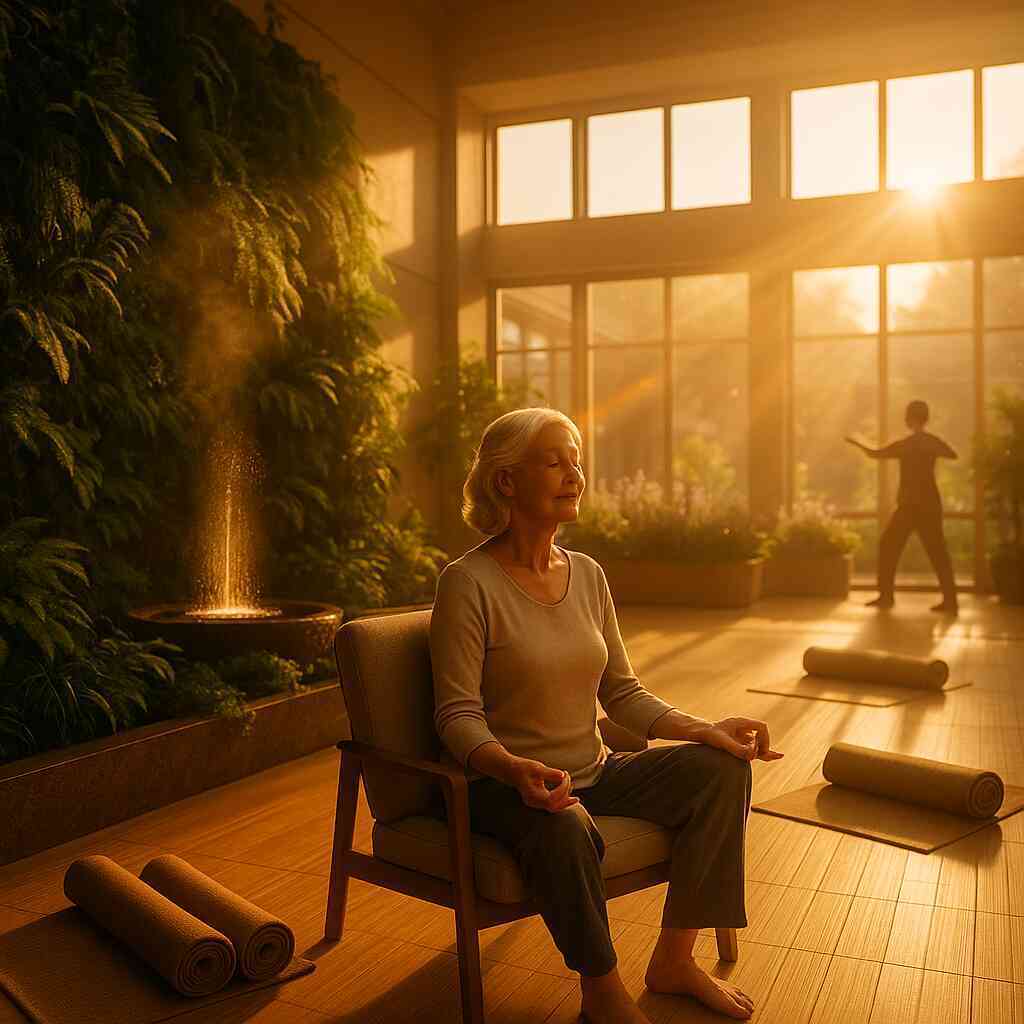
Why Tranquil Spaces Belong in Every Senior Community
Meditation rooms have shifted from luxury perk to expected amenity inside modern 55-plus housing. Residents and their families increasingly equate a calm mind with overall health. Operators, in turn, notice higher satisfaction scores and stronger occupancy when they dedicate square footage to stillness. This guide looks at the core elements that make a mindfulness space effective, comfortable, and safe for older adults.
Key Benefits Backed by Research
- Lowered blood pressure and cortisol, supporting heart and immune health.
- Improved attention span, which helps residents remember daily schedules.
- Reduced anxiety, encouraging greater participation in group events.
- Short mental breaks for team members, boosting staff morale and retention.
When these outcomes appear, regulators and insurers often view the community more favorably because preventive wellness reduces costly interventions down the road.
Building Blocks of a Successful Meditation Room
1. Ergonomic Seating
Older joints tire quickly on hard floors or low poufs. Aim for:
- Firm cushions at 18–20 inch seat height
- Lumbar support or adjustable wedges
- Armrests sturdy enough for push-off assistance
Lightweight, rocker-less designs prevent wobble while still allowing easy reconfiguration for classes or private practice.
2. Safe, Cushioned Flooring
Low-pile carpet tiles with a shock-absorbing pad protect knees and hips without creating drag for wheelchairs. If residents practice chair yoga, incorporate zones of slip-resistant vinyl that cleans easily yet feels warm underfoot.
3. Tunable Lighting
Circadian-friendly fixtures that dim from 3000 K to 2200 K help eyes adapt and signal relaxation. Place wall switches at seated height so someone using a walker can adjust brightness without reaching overhead.
4. Sound Management
Senior ears may be sensitive to echoes. Layer acoustic panels behind fabric art, add a white-noise fountain, and select door sweeps that keep corridor chatter out. Soft instrumental playlists or guided meditations should never compete with HVAC hum—install a separate, whisper-quiet vent line if possible.
5. Natural Elements
Plants, water features, and daylight reinforce biophilic design. Even a small clerestory window increases melatonin production. Select low-pollen, low-maintenance greenery such as snake plant or ZZ plant so allergies and upkeep stay minimal.
6. Universal Accessibility
- Door width: 36 inches clear
- Turning radius: 60 inches open area
- Color-contrasted edge strips along risers or platform transitions
- Storage cubbies no higher than 48 inches
Accessibility details reassure residents that the room welcomes every mobility level.
Programming That Keeps the Space Active
Design alone will not sustain engagement. Consider a weekly calendar that balances instructor-led and self-guided options:
| Day | Morning | Afternoon |
|---|---|---|
| Monday | Chair yoga | Loving-kindness meditation |
| Wednesday | Breath-work basics | Staff respite hour |
| Friday | Silent stretch | Storytime mindfulness |
Posting sessions near the dining room and via resident TV channels encourages spur-of-the-moment participation.
Small-Footprint Solutions for Tight Floor Plans
Not every property can sacrifice a full suite. These tactics carve out serenity without major renovation:
- Convert a seldom-used library nook by adding sliding acoustic panels.
- Repurpose an oversized storage closet with wall-mounted benches and air-purifying plants.
- Create a mobile “quiet cart” stocked with headphones, aromatherapy towels, and battery candles; roll it into any multipurpose room during off-hours.
Even modest gestures telegraph that management values inner wellness alongside physical care.
Design Tips from Successful Communities
- Choose artwork showing open horizons rather than dense patterns; the eye naturally relaxes into depth.
- Keep color palettes in muted earth or gentle jewel tones. Bright reds and neons can stimulate rather than soothe.
- Provide tactile accessories—smooth river stones, textured blankets—that engage senses without clutter.
- Label the door in large, high-contrast lettering so newcomers find the room confidently.
- Encourage resident councils to co-design rituals, from sunrise gratitude circles to evening candle visualization.
Maintenance Considerations
A meditation room must smell fresh, feel clean, and signal hygiene at a glance. Stick to:
- Washable, antimicrobial fabrics
- Weekly upholstery vacuuming
- Quarterly deep cleaning of diffuser and fountain components
Schedule short daily walkthroughs so staff can relight battery candles, refill water features, and reset chairs. Visual order supports mental order.
Looking Ahead
Industry analysts expect mindfulness suites to become as standard as fitness centers by the end of the decade. Communities investing now are likely to enjoy a competitive edge as the wellness-focused baby-boomer cohort ages further. More importantly, residents gain a quiet anchor in a world that often feels rushed.
Creating even a modest retreat requires thoughtful planning, yet the payoff—a calmer, healthier, and more connected population—makes the effort worthwhile.
Best Meditation Room Designs from Senior Living Facilities


Comments
Post a Comment