Mobility Tech Transforming Senior Living Facilities 2026
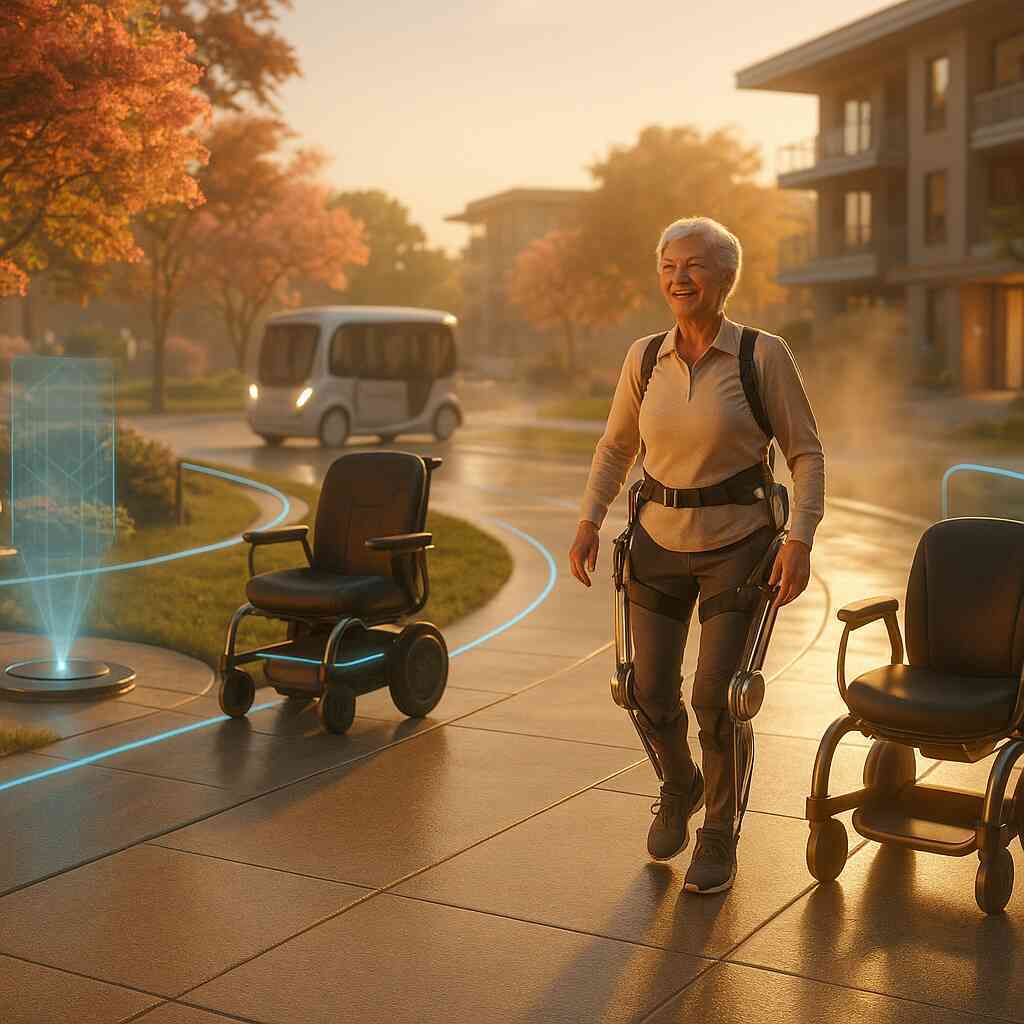
Mobility technology is rapidly reshaping day-to-day life inside senior living facilities. From sensor-lined hallways to voice-guided wheelchairs, the newest tools keep residents safer while preserving independence. This overview explains why these advances matter in 2026, the core systems communities are adopting, and what families and operators should watch next.
Why Mobility Support Sits at the Center of Quality of Life
Older adults consistently rank "being able to move when I want, where I want" as the top ingredient for well-being. When movement is effortless, residents can tend garden beds, join fitness classes, and visit friends down the hall without scheduling extra help. Mobility tech amplifies that freedom in three ways:
- Prevents injuries. Smart flooring, fall-detection wearables, and collision-avoidance walkers catch problems before they become emergencies.
- Extends independence. Adaptive devices adjust automatically as strength or balance shifts, delaying the need for higher-acuity care.
- Feeds data-driven care plans. Continuous sensor feedback shows therapists exactly where gait, endurance, or confidence is slipping, allowing targeted interventions.
Moving Beyond Traditional Rounds and Paper Charts
A decade ago, routine safety checks depended on hourly staff rounds. Today, low-profile sensors observe thousands of micro-movements per resident each day. When algorithms spot a pattern—slower turns, shorter stride length, repeated nighttime pacing—the care team receives an alert long before a fall occurs. This proactive model delivers two critical benefits:
- Staff time returns to human interaction. With automated monitoring handling the basics, caregivers can focus on conversation, exercise coaching, or creative activities.
- Family trust grows. Real-time dashboards let loved ones see how data converts to action, replacing guesswork with transparent progress reports.
The Core Components of a Connected Mobility Arsenal
Below are the four categories appearing most often across forward-thinking communities for adults 55+.
1. Smart Wheelchairs With Autonomous Navigation
Modern chairs map hallways, elevators, and outdoor paths using LiDAR and machine-learning software. Residents give a simple voice command—"Library" or "Garden"—and the chair charts a safe route, adjusting speed around corners and doors. Common facility upgrades include:
- Inductive charging stations built into lounge tables.
- Indoor navigation apps showing battery life and accessible paths.
- Data links that feed distance traveled back to therapy dashboards.
2. Safety-First Wearables
Discrete wristbands or shoe inserts now offer much more than step counts. They monitor heart rhythm, detect sudden decelerations, and evaluate balance shifts in real time. When a boundary threshold is crossed, the device automatically alerts on-site staff and, if authorized, an external care coordinator. Because readings are continuous, clinicians can fine-tune medication schedules or physical therapy intensity with confidence.
3. IoT Handrails and Pressure-Sensing Floors
Handrails no longer sit silent. Embedded force sensors reveal how heavily each resident relies on support during transfers. Pressure-sensing tiles pinpoint high-risk areas (for example, the first step out of bed at night) and illuminate a soft path to the bathroom when motion is detected. The result is a subtle safety net that respects privacy while quietly steering residents away from hazards.
4. Unified Mobility Analytics Dashboards
The real magic appears when every wheelchair turn, wristband alert, and handrail pressure reading flows into a single interface. Care teams can:
- Compare weekly gait stability scores.
- Set personalized mobility goals and measure achievement.
- Generate documentation for insurance approval of new devices or therapy hours.
Secure family log-ins foster collaboration. Instead of vague updates, relatives can celebrate concrete milestones such as "200 uninterrupted feet walked since last month" or "successful unassisted transfer 95% of mornings."
Aligning Assisted Living Plans With Real-Time Data
An assisted living plan written once a year quickly grows stale. With continuous mobility metrics, adjustments happen within days:
- If evening fatigue creeps up, dining staff schedule earlier meal times.
- Should a resident’s turning speed improve, therapists may swap walker height or introduce stair practice.
- When sedentary time spikes, social coordinators add low-impact group games to re-spark engagement.
Precision keeps residents challenged yet safe, maximizing both confidence and physical reserve.
What Families Should Ask on a Community Tour
If you are evaluating senior living options in 2026, consider adding these questions during a visit:
- Which mobility technologies are already deployed campus-wide, and which are optional add-ons?
- How is sensor data stored, and who can access it? Look for clear privacy policies and resident-controlled sharing.
- What happens when a wearable flags a concern after office hours? Prompt response protocols are key.
- How are care plans updated based on analytics? Request a real example (with names removed) to see the process in action.
- How are residents trained to use new devices? Effective orientation and ongoing tech support prevent frustration.
Preparing Staff for the Shift
Technology does not replace human care; it reshapes it. Successful facilities invest early in:
- Hands-on device labs where employees practice troubleshooting.
- Data literacy workshops that teach teams to interpret trend lines rather than single events.
- Interdisciplinary huddles combining nursing, therapy, IT, and life-enrichment staff so insights turn into coordinated action.
When staff feel empowered, technology adoption accelerates and resident satisfaction follows.
Looking Ahead: Toward Predictive, Personalized Mobility Ecosystems
The horizon promises even more refined support. Expect gait-coaching exoskeletons that adjust resistance in real time, hallway robots delivering supplies to reduce staff lifting strain, and generative AI chatbots guiding residents through customized stretching routines based on that morning’s sensor readings.
Yet the mission stays the same: keep older adults moving confidently, safely, and joyfully inside environments they are proud to call home. For families beginning the search or operators planning next-year budgets, understanding 2026 mobility tech trends is the first step toward creating communities where independence thrives.
Mobility Tech Review at Senior Living Facilities 2026


Comments
Post a Comment