Sustainable Energy Solutions for Senior Living Communities
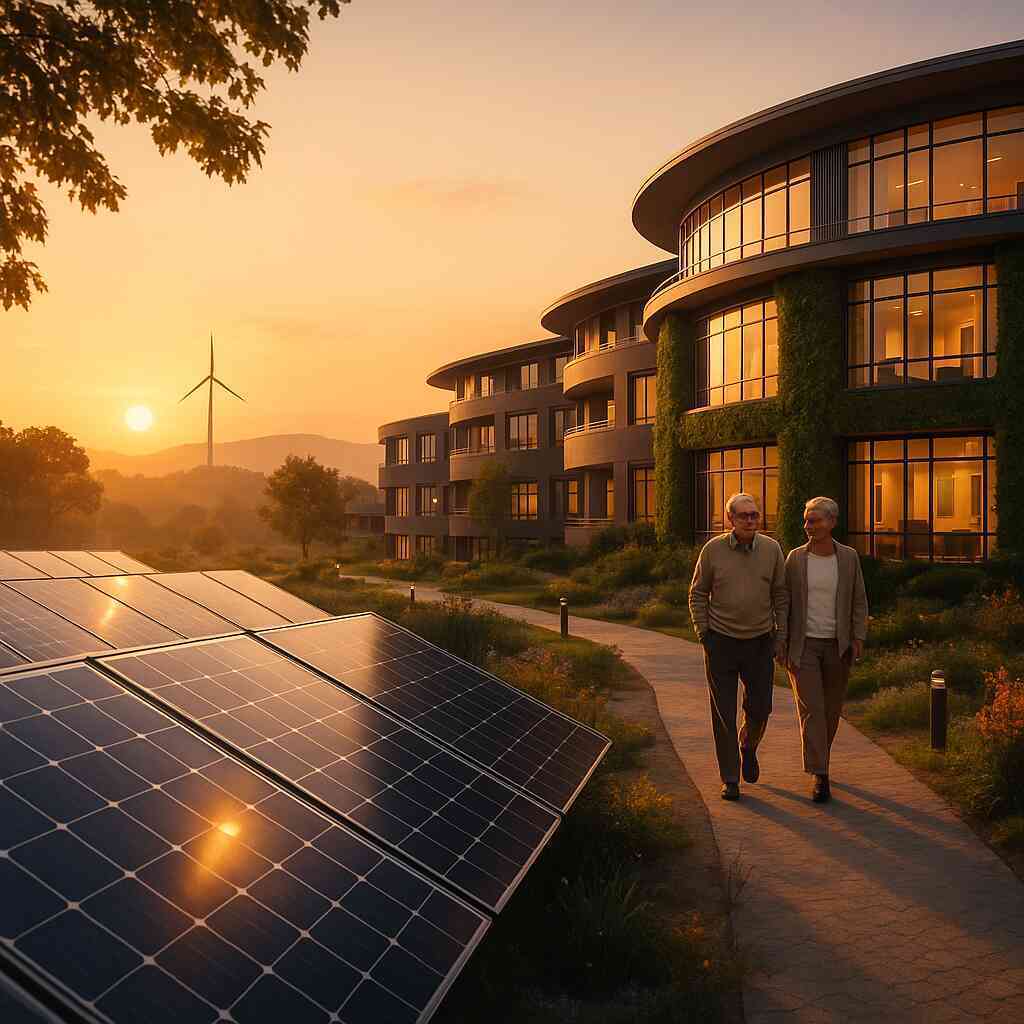
Greening the Power Mix in Senior Housing
Older adults spend most of the day indoors, so the energy choices made by a senior living operator directly shape residents’ comfort, health, and monthly fees. This guide explains how eco-friendly energy systems in senior living facilities cut costs, raise satisfaction scores, and future-proof operations in 2026 and beyond.
Why Energy Efficiency Is a Care Issue
Running a retirement community is energy-intensive. Kitchens, medical refrigeration, laundry, ventilation, and 24-hour lighting rarely power down. Every wasted kilowatt turns into higher rents or thinner staffing. By tightening the building envelope and selecting efficient equipment, operators can:
- Reduce utility expenses that often sit just behind payroll on the balance sheet.
- Keep indoor temperatures steadier, protecting residents who struggle to regulate body heat.
- Lower airborne pollutants that aggravate asthma, COPD, and other chronic conditions common in older populations.
In short, energy stewardship is not only a financial strategy; it is a direct extension of quality care.
The Eco-Conscious Resident Arrives
Baby boomers entering independent and assisted living have recycled, driven hybrid cars, and tracked carbon footprints for decades. They now ask pointed questions during tours:
- Does the campus generate any on-site solar power?
- Are apartments equipped with smart thermostats and LED lighting?
- How is food waste handled?
Communities that answer confidently win leases faster and hold them longer. Shared sustainability goals also create natural programming—from resident energy committees to garden clubs—that strengthen social bonds.
Incentives and Standards Pushing Change
Energy codes in most states now demand higher roof insulation, continuous air barriers, and solar-ready conduits on new construction. At the same time, utilities offer rebates for measures that lower peak demand. Savvy administrators combine these programs with federal tax credits and low-interest “green bank” loans, slicing payback periods to three-to-seven years for many retrofits.
Key steps to capture those dollars:
- Schedule a professional energy audit to document baseline performance.
- Map each recommended upgrade to available grants and rebates.
- Bundle projects so that quick wins (LEDs, controls) finance longer-term items (geothermal, envelope work).
Technologies Transforming Senior Living Campuses
1. Rooftop Solar + Battery Storage
Panels convert unused roof area into a miniature power plant. Pairing them with lithium-ion batteries shifts excess midday generation to the evening meal period—often the most expensive grid window. During outages, stored energy keeps life-safety equipment, electronic medical records, and medication refrigerators running.
2. High-Efficiency Heat Pumps
Air-source and water-source heat pumps deliver heating and cooling from one unit while using 30–50 % less electricity than resistance heat or older chillers. Variable-speed compressors modulate output, keeping rooms within a tighter temperature band.
3. Geothermal Borefields
Where land permits, vertical wells tap the earth’s constant temperature to move heat instead of creating it. Although the upfront cost is higher, operating expenses tumble, and maintenance is minimal because equipment sits indoors away from weather.
4. LED Lighting and Smart Controls
Switching from fluorescent to LED trims lighting loads by up to 70 %. Occupancy sensors in storage rooms, restrooms, and staff corridors ensure lights burn only when needed. Networked systems generate real-time data so facility teams can pinpoint anomalies before they become high bills.
5. Water-Saving Fixtures Linked to Boiler Demand
Low-flow shower heads and aerators cut hot-water use, allowing smaller, high-efficiency boilers to satisfy domestic loads. Less combustion means reduced greenhouse emissions and lower ventilation requirements.
Building a Roadmap: From Vision to Commissioning
- Set measurable goals. Examples include “cut electricity use 25 % within five years” or “produce 40 % of annual consumption on site.”
- Engage stakeholders early. Invite residents, families, nursing staff, and maintenance crews to share pain points and priorities.
- Sequence projects logically. Start with envelope tightening; follow with HVAC, then renewables sized for the lower load.
- Verify performance. Commission new systems, then monitor monthly interval data. Celebrate milestones publicly to sustain momentum.
- Train and refresh. A great control system only saves energy if staff understand set-points, alarms, and seasonal adjustments.
Tracking Success
Practical metrics include:
- Energy Use Intensity (kBtu per square foot per year)
- Peak demand (kW) during hottest and coldest weeks
- Resident comfort surveys—temperature, air quality, noise
- Avoided utility dollars reinvested in programming or staffing
Publishing a one-page dashboard on community bulletin boards not only proves accountability but also turns energy into a shared game everyone can win.
Looking Forward
Climate volatility, stricter codes, and discerning residents guarantee that sustainable energy solutions will move from “nice-to-have” to standard of care. Facilities that act now lock in lower operating costs, healthier indoor environments, and a reputation for forward-thinking service. The transition begins with a clear goal, a trusted audit, and steady engagement of the very people these improvements are meant to serve.
By viewing every kilowatt as an opportunity to care better, senior living leaders align fiscal prudence with compassion—creating homes where residents thrive today while preserving resources for the generations that follow.
Eco Friendly Energy Systems in Senior Living Facilities


Comments
Post a Comment