Why Colorado Senior Living Facilities Feel Different
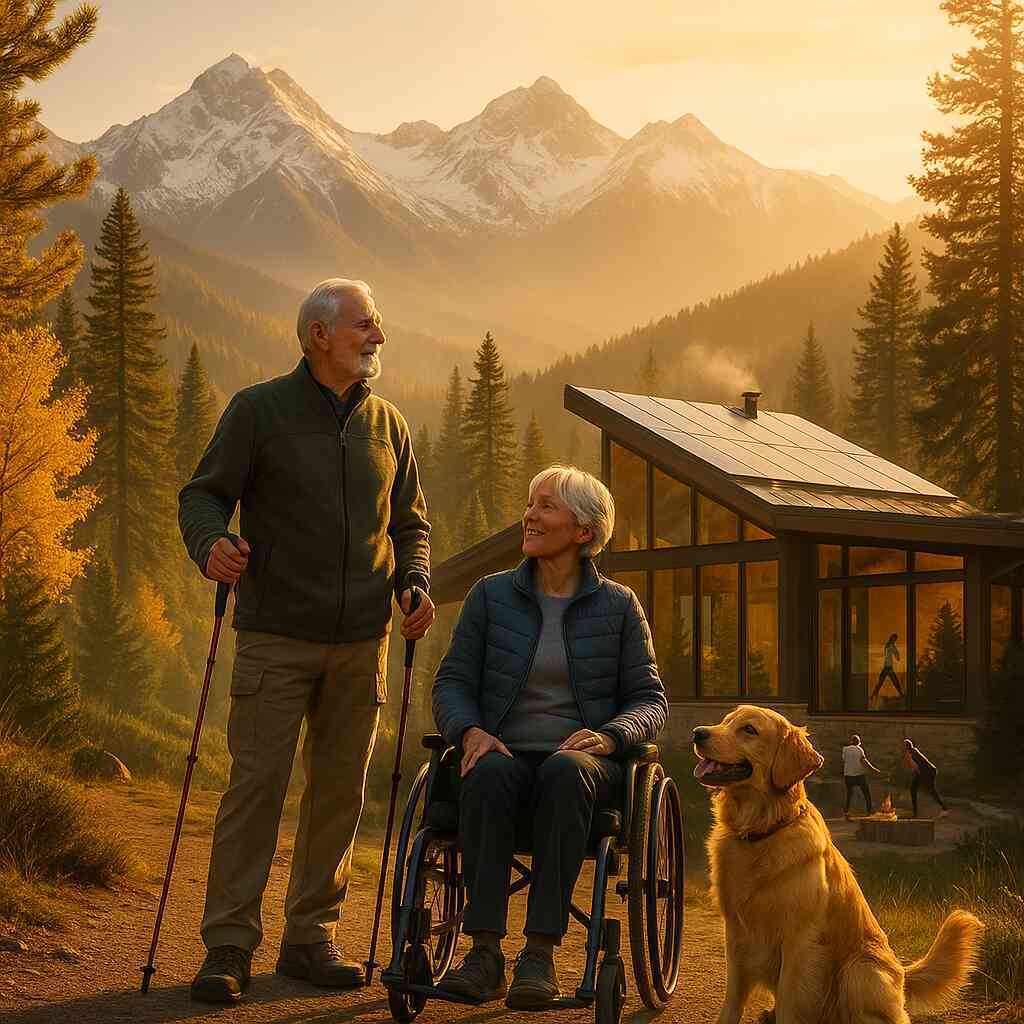
Colorado Senior Living: What Sets the Experience Apart
Few states combine breathtaking scenery, altitude-driven wellness, and urban convenience as smoothly as Colorado. This overview looks at the elements that make senior living facilities in the Centennial State stand out—from panoramic mountain views to evidence-based fitness programs that work with, not against, thin mountain air.
1. Panoramic Comfort: More Than a Pretty View
A clear sightline to snow-capped peaks does more than brighten a room. Research on biophilic design shows that daily exposure to natural vistas can lower blood pressure, stabilize mood, and reinforce healthy sleep cycles. Communities along the Front Range take full advantage:
- Architecture with intention. Many buildings angle suites toward sunrise or sunset mountain ridges, letting residents wake to soft alpenglow rather than busy parking lots.
- Balcony culture. Ample decks, shared rooftop lounges, and glass-walled common areas encourage residents to step outside—even for ten minutes of fresh alpine air—which can improve vitamin D levels and spark casual social interaction.
- Programmed inspiration. Activity directors frequently plan photography walks, sketching circles, or simply morning coffee meet-ups where the scenery becomes a natural conversation starter. Even residents with limited mobility benefit; studies show that viewing nature scenes can reduce stress hormones by up to 15 percent.
2. High-Altitude Health Advantages
Living between 5,000 and 8,000 feet changes how the body uses oxygen. Properly managed, this can lead to stronger cardiovascular performance and greater endurance in day-to-day tasks.
Gradual acclimation
Reputable facilities schedule arrival assessments that include pulse-ox readings and individualized pacing plans. New residents often begin with supervised hallway walks, short campus loops, and gentle water aerobics before tackling longer hikes.
Altitude-aware nutrition
It is not unusual for dining teams to incorporate iron-rich greens, lean proteins, and extra hydration reminders into menus. These small tweaks combat the dehydration and fatigue common in thinner air.
Winter on the doorstep
Snow season is embraced rather than feared. Balance workshops teach proper use of trekking poles and boot traction devices, while respiratory therapists monitor oxygen saturation during cold-weather outings. Residents who prefer indoor exercise can join chair-based “virtual climb” classes that mimic uphill motion without leaving the fitness studio.
3. A Front Range Menu of Neighborhoods
From downtown Denver lofts to quiet Boulder county cottages, the Front Range offers a surprising range of senior housing within a ninety-mile corridor.
- Urban energy. In central Denver, independent living towers sit beside theaters, art districts, and major medical centers. Light-rail stops at the front door make specialist appointments and museum visits equally convenient.
- Academic flair. Communities near Boulder often partner with the university for lifelong-learning lectures or volunteer tutoring. The atmosphere is lively yet slower paced than Denver’s nightlife-driven scene.
- Small-town charm. Farther south, places like Castle Rock and Monument blend easy freeway access with quieter, family-oriented streetscapes.
Because these areas are close together, families can weigh cost, culture, and climate without committing to a single ZIP code. Many new residents tour two or three facilities in one day and choose the micro-culture that feels right.
4. Integrated Wellness, Not Isolated Services
Colorado operators rarely silo wellness into a single department. Instead, care plans often weave together physical therapy, nutrition, mental health support, and recreational programming.
On-site therapy suites
Rather than scheduling off-campus appointments, a growing number of communities host licensed physical and occupational therapists in dedicated gyms. Elevation-specific protocols focus on strengthening the diaphragm, building ankle stability for uneven trails, and teaching fall-prevention drills suited to icy sidewalks.
Outdoor therapy & adaptive sports
Many residents arrive with lifelong passions for skiing, fly-fishing, or cycling. Adaptive equipment—such as lightweight sit-skis or e-assist bikes—lets them continue those hobbies safely. Organized ski days pair residents with instructors certified in senior techniques, turning what could be an intimidating sport into a confidence-building outing.
Mental wellness amid wide skies
Counselors leverage Colorado’s blue-sky ratio (often 300 sun-filled days per year) when planning depression- or anxiety-reduction programs. Walking meditation, yoga on lawns, or even short “sunlight breaks” after lunch can boost serotonin naturally.
5. Staff Expertise in Altitude Dynamics
Operating several thousand feet above sea level demands additional clinical knowledge. Nurses routinely monitor hydration status, pulse-ox trends, and respiratory changes that wouldn’t raise concern at lower elevations. Training modules cover:
- Recognizing early signs of acute mountain discomfort
- Adjusting medication timing when metabolism speeds up
- Coordinating with primary physicians on oxygen-use guidelines during respiratory illness season
This altitude literacy reassures families that loved ones are in competent hands.
6. Community Connections Beyond Campus
Coloradans of every age prize outdoor culture and volunteerism, and senior communities tap into that spirit.
- Trail stewardship days let residents help maintain local paths, strengthening both muscles and civic pride.
- Elementary reading partnerships bring children into the facility for story hour or invite retirees into classrooms, bridging generations.
- Farmers-market shuttles encourage fresh produce shopping while keeping the social calendar vibrant.
Key Takeaways
- Carefully framed mountain views double as passive therapy, promoting calm and curiosity.
- Structured acclimation turns high altitude into an ally for cardiovascular strength.
- A compact Front Range means residents can pick the exact cultural vibe they prefer.
- Integrated wellness plans blend clinical care with Colorado’s trademark outdoor lifestyle.
- Staff receive extra training on altitude physiology, offering peace of mind.
Choosing a senior living facility is never one-size-fits-all. Yet for adults who love crisp air, year-round sun, and a seamless mix of nature and culture, Colorado provides an unmatched setting for the next chapter. Exploring several communities, asking altitude-specific questions, and picturing daily life against that iconic mountain backdrop can help families decide if the Centennial State is the right fit for their retirement story.
What Makes Senior Living Facilities in Colorado Stand Unique


Comments
Post a Comment