Winter Prep Guide for Senior Living Facilities in Maine
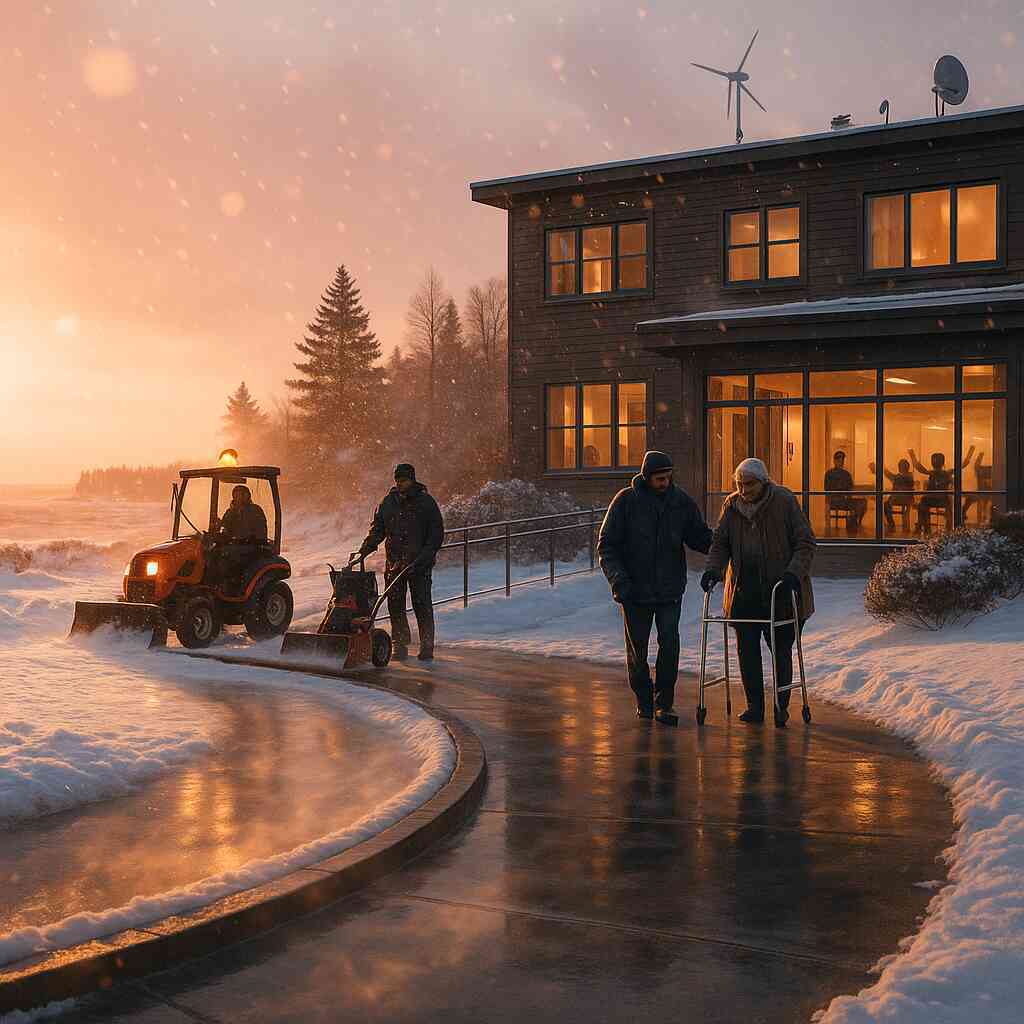
Maine promises postcard snowfalls, but those same drifts and icy winds demand detailed planning inside every senior community. This guide looks at how experienced teams turn a challenging season into months of safety, warmth, and even fun for residents.
Why Winter Readiness Matters
Older adults are more vulnerable to cold‐related illnesses, slips, and supply disruptions. A single furnace outage or icy walkway can quickly escalate into an emergency. By standardizing winter protocols, senior living facilities in Maine protect health outcomes and reinforce families’ confidence that loved ones are in skilled hands.
Building the Seasonal Playbook
Well before the first frost, administrators gather department heads to review a written winter operations manual. Core elements include:
• Heating system inspection schedules and backup power testing
• Supply inventories for food, medications, and oxygen that cover at least 72 hours
• Contact lists for plow contractors, utility companies, and on-call clinical staff
• Resident risk assessments highlighting anyone prone to hypothermia or fall anxiety
• Communication templates for rapid family updates during storms
These documents are living files. Teams conduct tabletop drills to expose gaps, then revise procedures until every step feels routine.
Engineering Buildings to Hold the Heat
Energy efficiency is not only a budget issue; it is a direct safety measure. Maine communities typically combine several strategies:
High-performance envelopes
• Dense-pack cellulose or closed-cell foam in exterior walls
• Triple-pane windows with low-emissivity coatings
• Blower-door testing to locate and seal minute air leaks
Smart mechanical systems
• Dual-fuel boilers that switch from oil to propane during outages
• Geothermal heat pumps where geology allows
• Digital thermostats programmed for a stable 70–72 °F day and night
Generator redundancy
Critical circuits—heat, elevators, medication refrigerators, and Wi-Fi—connect to automatic transfer switches. Weekly “quiet load” runs verify that generators start instantly and stabilize voltage under demand.
Exterior Grounds: Slips Are the Enemy
Falls spike every winter, yet most are preventable with layered defenses:
• Hydronic or electric heating mats beneath main walkways
• High‐visibility ice-melt stations so staff and residents can treat fresh patches
• Roof de-icing cables to stop dangerous icicle build-up over entrances
• Timed exterior LED lighting that triggers at dusk to reduce glare and shadow
Facilities also pre-arrange plow contracts stipulating arrival times and equipment size. Larger communities often keep a dedicated skid-steer on property so maintenance can clear secondary paths between contractor visits.
Transportation and Appointments
Even the best campus preparation cannot control off-site hazards. Transportation coordinators therefore:
• Shift non-urgent medical visits to telehealth on storm weeks
• Keep a four-wheel-drive van with all-weather tires fueled and ready
• Equip vehicles with blankets, traction boards, and a GPS tracker that dispatch can monitor in real time
When roads are officially closed, clinicians perform in-house rounds so residents continue receiving therapy, wound care, and routine checks.
Clinical Safeguards
Infection control
Flu and pneumonia peak during colder months. On-site vaccination clinics paired with educational sessions raise uptake rates. Hand-sanitizer stations multiply at every elevator and dining entrance, and housekeeping upgrades to hospital-grade disinfectants until spring.
Cold exposure monitoring
Caregivers perform temperature and skin-integrity checks on residents prone to vascular issues. A simple protocol—cap, gloves, and scarf for outings under 40 °F—prevents most complications.
Behavioral health
Early sunsets can exacerbate seasonal affective disorder. Recreation staff introduce light-therapy lamps, morning chair yoga, and evening music socials to keep moods steady.
Engaging Lifestyle Programming
Winter does not have to equal isolation. Successful communities redesign calendars around indoor vibrancy:
• Morning mall-walking circuits through connected hallways
• Culinary classes that use herbs grown in an on-site greenhouse
• Virtual reality “travel” days that let residents tour warmer climates
• Intergenerational volunteer projects like knitting hats for local shelters
Activities staff track attendance and adjust difficulty so that both independent residents and those needing assistance feel included.
Family Communication: The Trust Multiplier
Transparent messaging keeps families informed and lowers anxiety when headlines warn of blizzards. Common best practices include:
• A dedicated weather-alert phone line updating facility status
• Mass texts confirming caregiver shift coverage before, during, and after storms
• Secure photo galleries that show cleared walkways and well-lit lounges
These simple gestures reinforce that the community is ahead of the forecast.
Choosing the Right Region in Maine
Climate varies dramatically from the wave-washed coast to the northern forests. Coastal properties must fortify against salt-spray corrosion and occasional storm surges. Inland campuses face heavier snow loads and colder overnight lows. Prospective residents should weigh personal comfort—ocean views versus quieter mountain towns—against each location’s engineering focus.
Key Questions for Prospective Residents
- How often are generators tested under full load?
- What is the average response time for contracted plowing?
- Are indoor walking paths at least ¼ mile long for daily exercise?
- Does the activity calendar show alternative plans if transport is canceled?
- How many days of medication and oxygen does the facility store onsite?
A reputable provider answers with specific numbers, not vague assurances.
Final Thoughts
Winter resilience in Maine relies on more than rock salt and heavy coats. It is a coordinated blend of sound engineering, proactive clinical care, and creative engagement. Senior living facilities that master these elements offer residents the rare gift of enjoying snowfall without fearing it. Families gain peace of mind, and older adults can watch the flakes drift past the window knowing every detail has been handled behind the scenes.
How Senior Living Facilities in Maine Navigate Winter


Comments
Post a Comment