Easter and Spring Activities That Brighten Senior Living
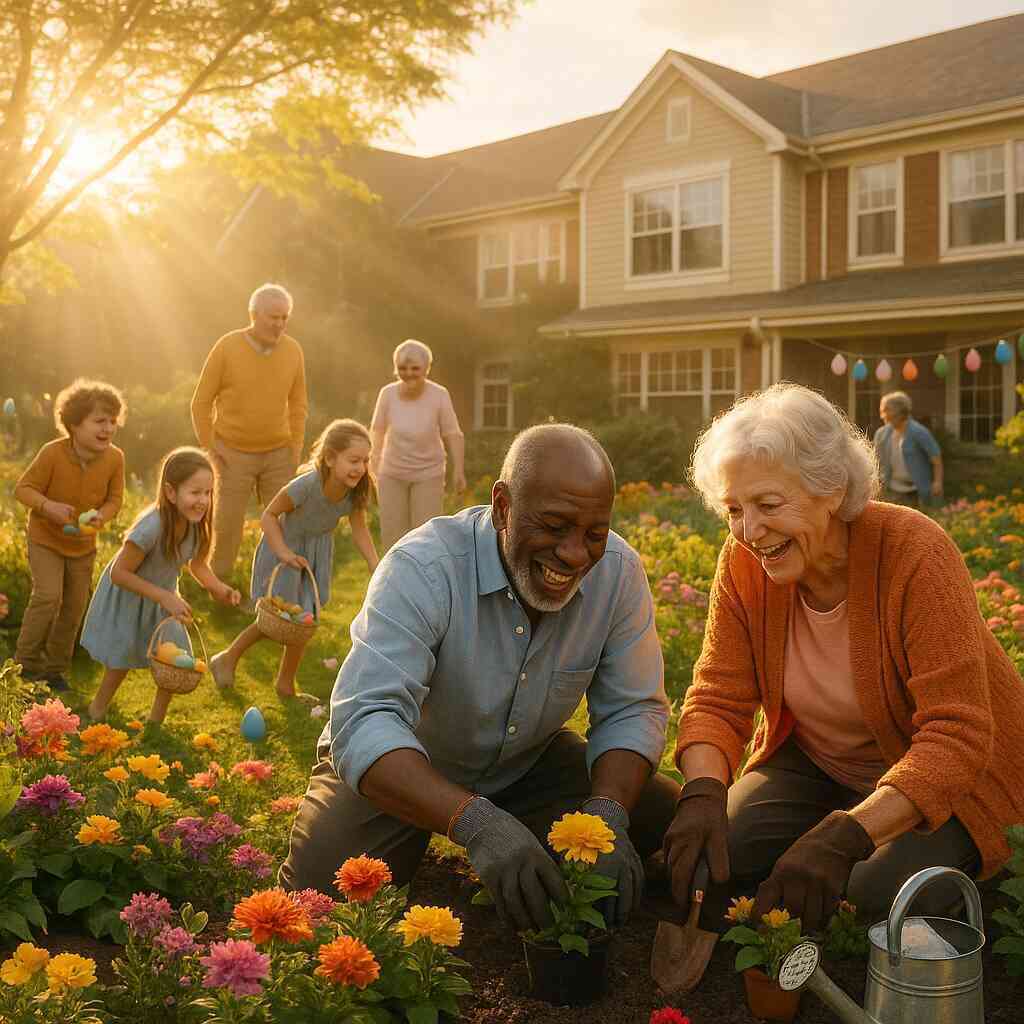
Easter and Spring Activities That Brighten Senior Living
Spring brings a welcome shift in energy to senior living communities across the country. As warmer weather arrives and Easter approaches, community activity coordinators work hard to create meaningful, accessible experiences that engage residents physically, socially, and emotionally.
This overview explores how thoughtfully planned spring and Easter activities can improve daily life for seniors — and why seasonal programming matters more than many people realize.
Why Spring Programming Matters in Senior Housing
The change from winter to spring has a measurable effect on mood and motivation. For seniors living in community settings, this shift creates a natural opening to refresh routines, try new activities, and reconnect with neighbors.
Well-designed spring programming does several things at once:
- It gives residents something to look forward to
- It creates natural opportunities for social interaction
- It reinforces a sense of belonging and purpose
- It aligns the living environment with the outside world, which can reduce feelings of isolation
When a senior community leans into seasonal change — updating shared spaces, introducing new activities, and organizing celebrations — it signals to residents that life here is dynamic and engaging.
Easter Crafts and Creative Activities
Arts and crafts sessions are a staple of Easter programming in senior living, and for good reason. Creative activities support cognitive health, provide emotional outlets, and make residents feel genuinely productive.
Popular Easter craft ideas that work well for seniors include:
- Decorative egg painting using large plastic eggs and wide-grip brushes for easy handling
- Greeting card making for family members or fellow residents
- Wreath assembly using spring flowers, ribbons, and lightweight materials
- Simple centerpiece arrangements for dining tables or common areas
These projects can be adapted for varying ability levels. Someone with limited fine motor control can still participate meaningfully with the right tools and support. The goal is participation and enjoyment, not perfection.
Finished decorations often go on display throughout the community, which adds a lasting, visible reward to the experience.
Adapting Easter Egg Hunts for Senior Residents
Easter egg hunts carry a lot of nostalgic weight, and adapting them for older adults can bring genuine delight. The key is making these events accessible without diminishing the fun.
Some practical adaptations include:
- Larger, brightly colored eggs that are easier to spot and hold
- Textured surfaces on eggs to assist residents with visual impairments
- Placement at accessible heights — on chairs, shelves, or low garden ledges rather than hidden in the grass
- Seating stations so participants can rest between discoveries
- Partner-based formats that pair seniors with family members or younger guests
The partner approach is particularly effective. It creates a natural bridge between generations and turns the event into a shared memory rather than a solo activity.
Intergenerational Events: Connecting Seniors With Younger Generations
Some of the most impactful spring events in senior communities intentionally bring different generations together. Easter is an ideal occasion for this.
Joint activities might include:
- Egg hunts where local children or grandchildren participate alongside residents
- Storytelling circles where seniors share Easter memories from their childhoods
- Craft tables where mixed-age groups work on seasonal projects together
- Simple cooking demonstrations involving traditional spring recipes
These interactions benefit everyone involved. Younger participants gain perspective and develop empathy. Seniors experience connection, feel valued, and often report improved mood following these events. Research consistently supports the idea that meaningful social contact — especially across generations — contributes to better mental health outcomes for older adults.
Spring Gardening as a Wellness Activity
Gardening is one of the most well-regarded therapeutic activities for seniors. In spring, it becomes especially relevant as planting season begins.
Many senior communities set up raised garden beds or container gardens that residents can tend without bending or kneeling. Even residents with limited mobility can participate in planting seeds, watering, or simply spending time outdoors near a garden.
Benefits of spring gardening programs include:
- Light physical activity that supports joint health and circulation
- Exposure to natural sunlight, which helps regulate sleep and mood
- A sense of responsibility and long-term engagement as plants grow
- Opportunities for social connection in an outdoor setting
Garden clubs that continue through the season give residents an ongoing reason to stay engaged and curious.
Bringing It All Together
The best spring and Easter programming in senior living communities shares a few common qualities. It is inclusive, adaptable, and genuinely fun. It connects people to each other, to nature, and to cherished memories.
For families researching senior living options in 2026, the quality and variety of seasonal programming is worth asking about. A community that invests in thoughtful, resident-centered activities is one that takes overall well-being seriously — not just day-to-day care.
Spring Easter Activities Planned at Senior Living Communities


Comments
Post a Comment