Easter Joy in Senior Living: Activities, Meals, and Meaning
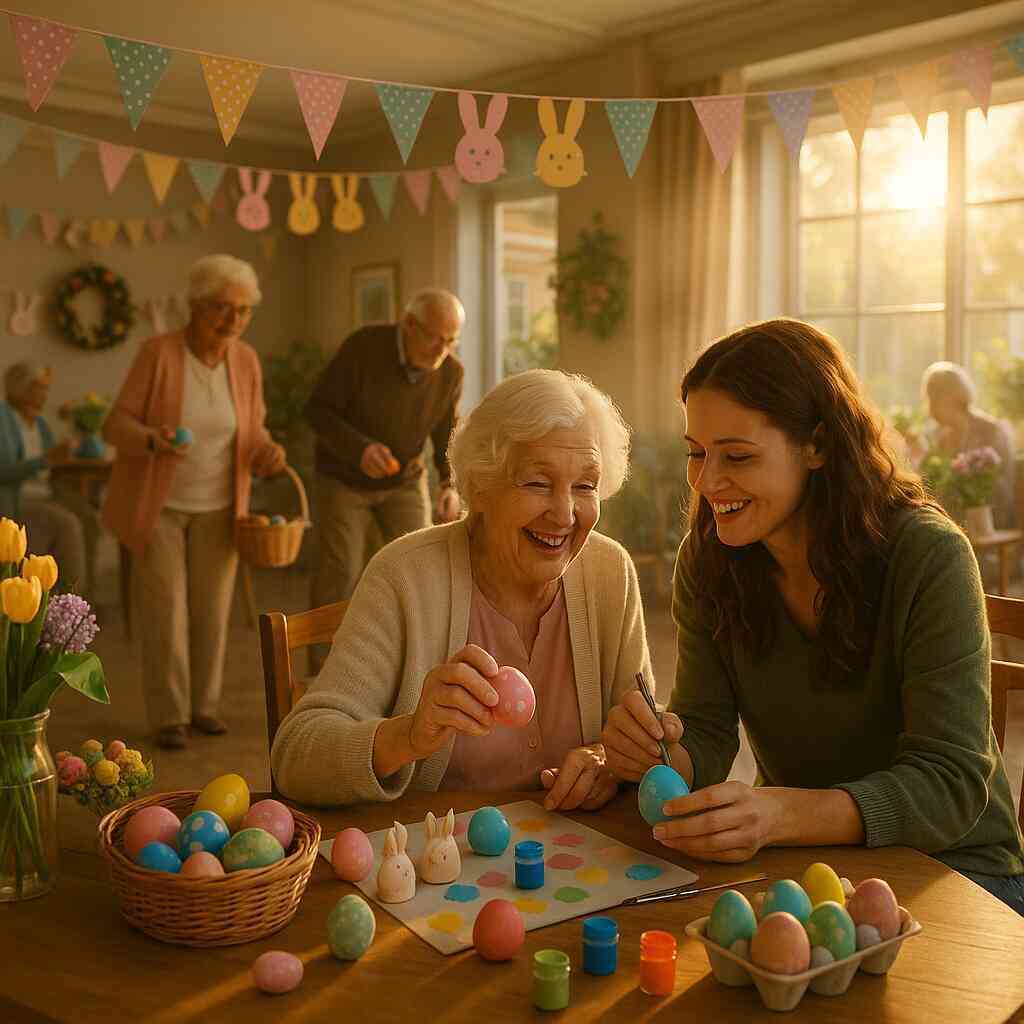
Easter Joy in Senior Living: Activities, Meals, and Meaning
Easter celebrations in senior living facilities do far more than mark a holiday on the calendar. They create genuine moments of connection, spark creative engagement, and support the emotional and spiritual well-being of older adults. Whether a facility is large or small, Easter offers a natural opportunity to build community spirit and bring residents together.
Why Celebrations Matter for Senior Well-being
For older adults living in community settings, structured celebrations serve a real purpose. Social events reduce feelings of isolation, offer mental stimulation, and give residents something to look forward to. Easter, in particular, carries layers of meaning — spiritual significance for many, the arrival of spring for others, and a sense of cultural tradition that spans generations.
Facilities that invest in thoughtful holiday programming tend to see greater resident engagement and a stronger sense of belonging across their communities.
Easter Activities That Work for All Ability Levels
One of the most practical aspects of Easter programming is how adaptable it can be. Activities do not need to be complicated to be meaningful.
Easter Crafts and Creative Sessions
Arts and crafts are a staple of Easter programming in senior communities — and for good reason. Craft sessions provide gentle exercise for fine motor skills while encouraging creativity and self-expression. Residents might decorate eggs, create spring-themed cards, or assemble simple centerpieces for common areas.
Beyond the finished product, crafting sessions serve as informal social gatherings. Residents share stories, offer each other encouragement, and build friendships through the shared experience of creating something together.
Egg Hunts and Themed Games
Egg hunts can absolutely be adapted for seniors. Indoor hunts work well for residents with limited mobility, while accessible outdoor spaces can be used for those who are more active. The key is thoughtful design — ensuring that participation is possible regardless of physical ability.
Beyond egg hunts, Easter-themed games like bingo, trivia, or jigsaw puzzles with spring imagery offer cognitive engagement in a fun, low-pressure setting. These activities promote friendly interaction and give residents a healthy sense of challenge and accomplishment.
Spiritual Services and Reflection
For many residents, Easter is first and foremost a religious occasion. Senior living facilities that offer interfaith services, prayer gatherings, or hymn-singing sessions honor that dimension of the holiday in a meaningful way.
These observances provide comfort and a sense of continuity with deeply held beliefs. Facilitating spiritual programming — even in a modest way — shows respect for the whole person and contributes to holistic well-being.
The Role of Food in Easter Celebrations
Shared meals are central to Easter traditions in most cultures, and this holds true in senior living settings. A thoughtfully prepared Easter menu can evoke warm memories and bring residents together around the table.
Dining staff have an opportunity to feature seasonal ingredients, traditional recipes, and culturally diverse dishes that reflect the backgrounds of the residents they serve. When a meal feels special — in presentation, in flavor, and in the atmosphere surrounding it — it becomes more than just nutrition. It becomes a celebration.
Communal dining during Easter reinforces the social fabric of the community and gives residents a meaningful, sensory experience tied to holiday tradition.
Intergenerational Connections Through Easter
Easter is one of the more naturally intergenerational holidays. Family visits, volunteer participation from local schools or youth groups, and community events all create opportunities for meaningful interaction between residents and younger generations.
When children participate in egg hunts alongside grandparents or great-grandparents, the experience benefits everyone involved. Seniors feel seen and valued. Younger visitors gain perspective and empathy. These shared moments build understanding across age groups in ways that everyday routines rarely do.
Facilities that actively foster intergenerational programming during Easter tend to see higher family engagement and a stronger sense of community identity overall.
Creating a Festive Environment
The physical environment plays a supporting role in holiday celebrations. Simple Easter decorations — spring flowers, pastel colors, handmade crafts displayed in common areas — signal that the holiday is being observed and help shift the mood of the space.
Resident-created decorations carry particular meaning. When a craft session produces items that are then displayed throughout the facility, residents see the direct impact of their participation. That visible contribution to the community environment builds pride and a sense of ownership.
Bringing It All Together
Easter in a senior living facility is not just a single event — it is a collection of experiences that together contribute to resident wellness, community cohesion, and joyful living. From crafting and games to spiritual reflection and shared meals, each element of Easter programming adds something meaningful to daily life.
With thoughtful planning and an inclusive approach, Easter can be one of the most impactful celebrations of the year for seniors and the communities that support them.
How Easter Celebrations Bring Joy to Senior Living Facilities


Comments
Post a Comment