How Eco-Friendly Senior Living Is Shaping Homes of the Future
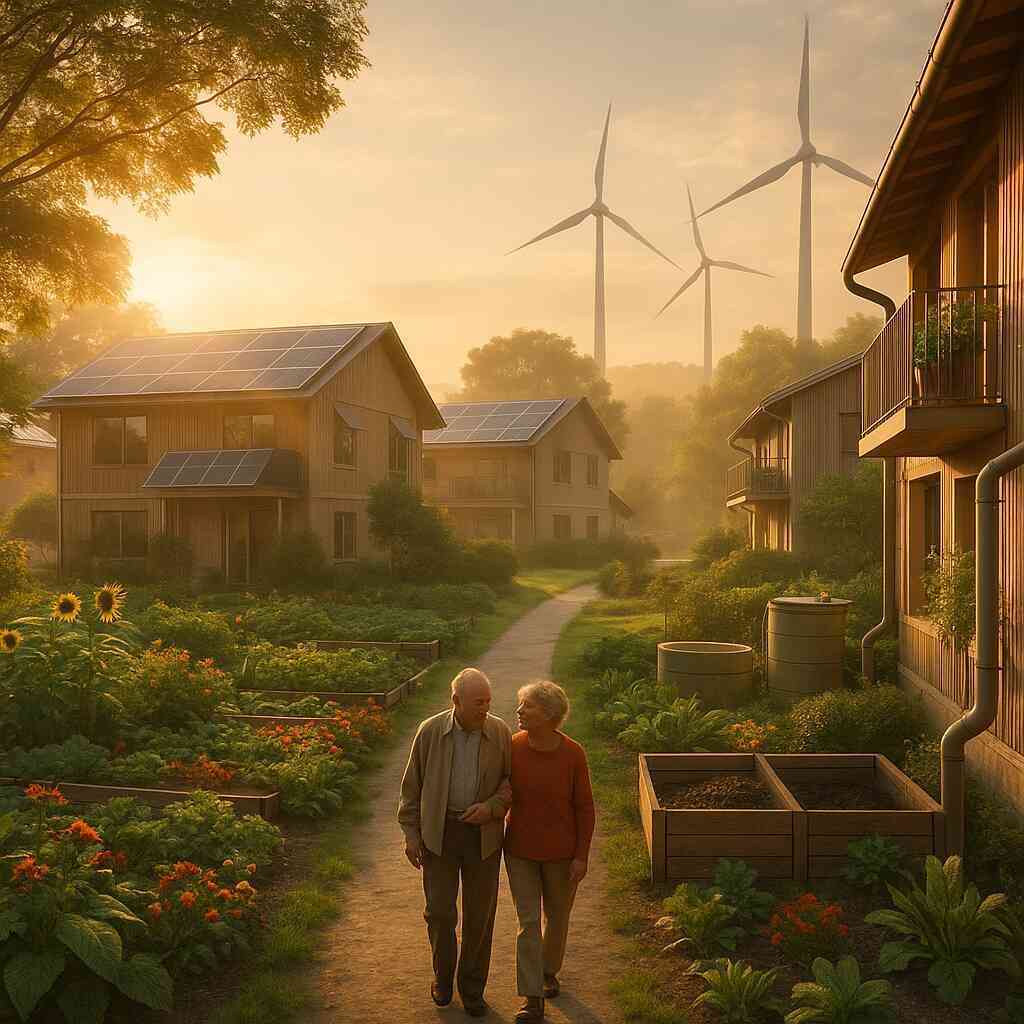
How Eco-Friendly Senior Living Is Shaping Homes of the Future
Eco-friendly senior living facilities are transforming the way older adults experience home, comfort, and community. As sustainability becomes a priority across nearly every industry, senior housing is no exception — and the results are reshaping expectations for what a modern senior community can look like.
Why Sustainability Matters in Senior Housing
Green living is not just a trend. For older adults, it translates directly into better health outcomes, lower utility costs, and a higher overall quality of life. Sustainable senior housing prioritizes cleaner indoor air, efficient energy systems, and reduced waste — all of which benefit residents on a daily basis.
Beyond individual comfort, these communities reflect a broader commitment to environmental responsibility. Building and operating senior facilities with sustainability in mind helps reduce pressure on natural resources and lowers long-term costs for residents and operators alike.
Green Building Practices Leading the Way
Modern eco-friendly senior communities are increasingly built from the ground up with green principles in mind. This includes:
- Renewable and low-impact materials selected for durability and minimal environmental harm
- Energy-efficient layouts designed to maximize natural light and reduce heating and cooling demands
- Improved insulation and ventilation systems that maintain comfortable indoor temperatures with less energy
- Certifications and standards that verify a facility's commitment to environmental performance
These choices not only reduce the ecological footprint of a facility — they also create healthier, more comfortable spaces for residents to call home.
Harnessing Renewable Energy
One of the most impactful shifts happening in 2026 is the wider adoption of renewable energy systems in senior living facilities. Solar panels, wind energy partnerships, and geothermal systems are becoming more common features of new and renovated senior communities.
Renewable energy reduces dependency on fossil fuels and helps stabilize operational costs — savings that can be passed along to residents. Facilities that invest in clean energy also tend to experience fewer disruptions during power outages, making them more resilient overall.
Water Conservation Strategies
Water is a finite resource, and eco-conscious senior communities are taking meaningful steps to use it wisely. Common strategies include:
- Low-flow fixtures in bathrooms and kitchens
- Rainwater harvesting systems for irrigation
- Smart irrigation technology that adjusts watering based on weather conditions
- Drought-resistant landscaping that reduces outdoor water demands
These measures conserve water while also keeping utility costs manageable — a practical benefit for residents living on fixed incomes.
Sustainable Design and Biophilic Principles
Sustainable design goes beyond the mechanical systems of a building. It shapes how a space feels, functions, and supports well-being. Senior living communities are increasingly turning to biophilic design — an approach that connects residents with the natural world through architecture and interior choices.
This can mean large windows that bring in natural light, indoor plants and living walls, natural wood and stone finishes, and outdoor spaces designed for relaxation and gentle activity. Research consistently supports the idea that connection to nature reduces stress, supports mental health, and promotes physical activity — all critical considerations for older adults.
Eco-Friendly Amenities That Enrich Daily Life
Green living in senior communities is not just about infrastructure. It also shows up in the everyday amenities residents enjoy. Some of the most popular eco-friendly features include:
- Organic community gardens where residents can grow and harvest fresh produce
- Green roofs and natural landscaping that support local wildlife and reduce stormwater runoff
- Composting programs that divert food waste from landfills
- Walking trails and outdoor recreation areas that encourage physical activity in natural settings
These amenities do more than check a sustainability box. They create meaningful opportunities for social connection, physical wellness, and a sense of purpose.
The Shift Away from Traditional Senior Housing Models
Conventional senior housing was often built with little regard for energy efficiency or environmental impact. Older facilities rely on outdated systems, consume more resources, and tend to cost more to operate over time.
Eco-friendly senior communities represent a clear departure from that model. They are designed with longevity in mind — built to perform efficiently for decades while adapting to new technologies as they emerge.
Looking Ahead
The momentum behind eco-friendly senior living is only growing. As more older adults prioritize sustainability in their housing decisions, communities that lead with green values will be better positioned to meet that demand.
For families exploring senior living options, understanding what makes a facility truly sustainable — from its energy systems to its daily operations — is an increasingly important part of the decision-making process. The future of senior housing is greener, healthier, and more connected to the natural world than ever before.
Eco-Friendly Senior Living Facilities Shaping Future Homes


Comments
Post a Comment