How Quality Senior Housing Is Defined Across US Regions in 2026
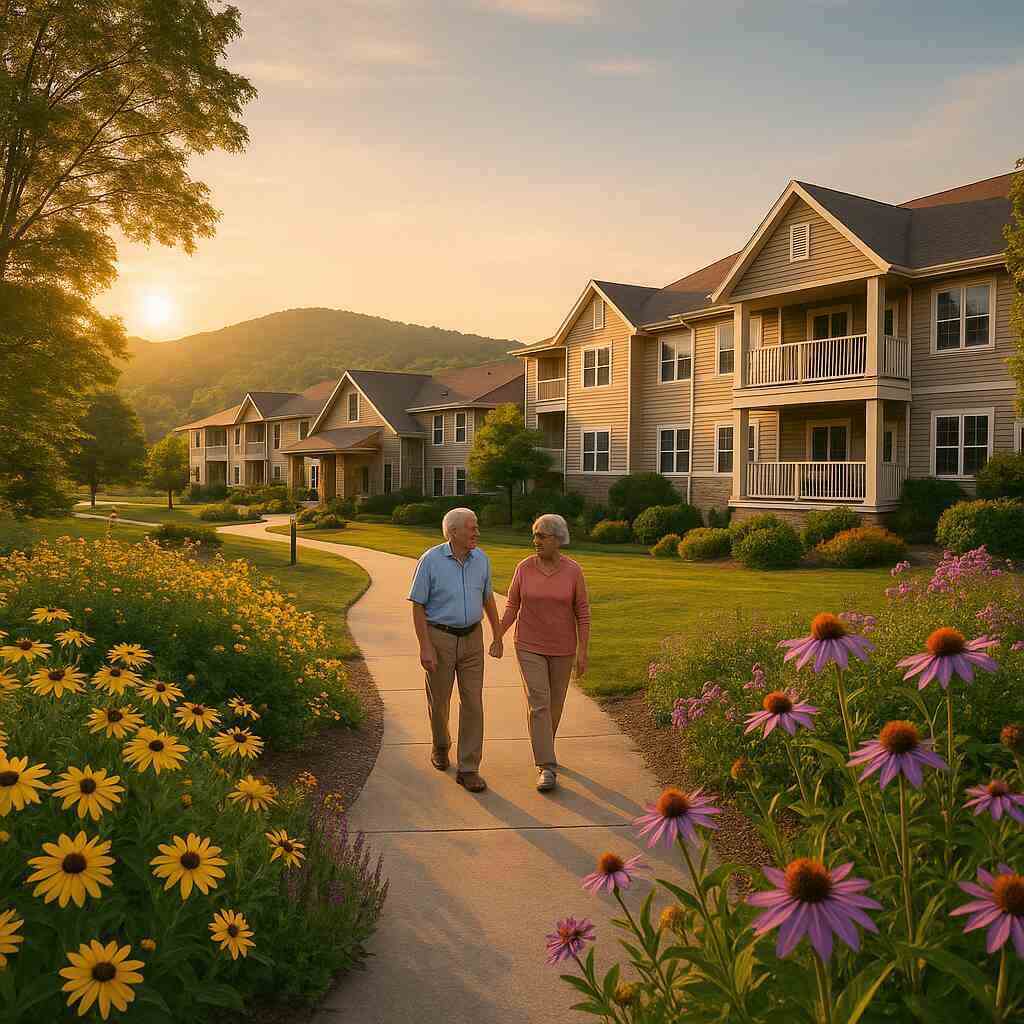
How Quality Senior Housing Is Defined Across US Regions in 2026
Finding the right senior housing is one of the most important decisions a family can make. What counts as "quality" varies significantly depending on where you live, what services matter most, and how local culture shapes the senior living experience. This overview explores what defines quality senior housing across every major US region in 2026.
What Senior Housing Quality Actually Means Today
Senior housing has moved well beyond basic medical care and safe shelter. Families today expect facilities to support the whole person — physical health, mental engagement, social connection, and daily comfort.
Key elements that define quality senior housing include:
- Personalized care plans that adapt as needs change
- Safe, accessible environments designed for mobility and independence
- Engaging social programs that reduce isolation
- Transparent staffing and licensing that families can verify
- Nutrition and wellness services built into daily routines
These expectations have grown sharply in recent years, and facilities that fail to meet them are losing ground to those that prioritize resident well-being at every level.
Regional Differences That Shape Senior Living Standards
The United States is not a single senior housing market. Climate, local economy, culture, and population density all influence what facilities offer and what seniors expect. Here is how quality looks across the country's major regions.
Northeast: Tradition Meets Modern Amenities
The Northeast is home to some of the nation's oldest and most established senior communities. Many facilities operate out of historic buildings with strong ties to local culture and heritage.
What sets quality communities apart here is the ability to blend that traditional character with genuinely modern amenities. Think renovated wellness centers alongside classic architecture, or technology-assisted care inside buildings with decades of history.
Seniors in this region often value:
- Access to cultural institutions like museums and performing arts
- Communities with long-standing reputations and stable staff
- Proximity to urban medical centers
Southeast: Wellness and Warmth as a Foundation
The Southeast's warm climate creates a natural advantage for senior living communities. Outdoor programming, garden spaces, and year-round recreational activities are realistic offerings here, not just seasonal perks.
Facilities in this region often lead with hospitality. A warm, relationship-focused culture means seniors are more likely to find communities where staff genuinely know them by name and where social bonds develop naturally.
Quality markers in the Southeast include:
- Robust outdoor wellness programs
- Strong emphasis on community events and relationship-building
- Facilities that accommodate age-in-place transitions smoothly
Midwest: Affordability and Community-Centered Living
The Midwest offers some of the most affordable senior housing in the country without sacrificing meaningful care. Communities here tend to be smaller and more tightly knit, which many seniors find preferable to larger, more institutional settings.
Family involvement is a defining feature of quality Midwestern senior communities. Facilities that welcome family participation and maintain open communication consistently earn strong reputations.
Key qualities to look for here:
- Reasonable cost without hidden fees
- Transparent care practices and open family communication
- Strong ties to local faith and civic organizations
Southwest: Cultural Integration and Comfortable Living
The Southwest is rapidly growing as a senior housing destination, driven by favorable weather and a rising retiree population. Communities in this region increasingly reflect the area's cultural diversity, offering programs and environments that resonate with a wide range of backgrounds.
Indoor comfort is also a real design priority, given intense summer heat in many parts of the region. Quality facilities invest in climate-controlled spaces that remain genuinely comfortable and functional year-round.
West Coast: Innovation and Holistic Well-Being
West Coast senior communities are often at the forefront of care model innovation. From plant-based dining options to mindfulness programs and advanced memory care approaches, facilities here tend to embrace emerging best practices early.
The region also places a strong emphasis on environmental design — outdoor access, natural light, and community spaces that feel residential rather than clinical. These details matter more than many families initially realize.
How to Use Regional Standards When Comparing Facilities
Understanding regional norms helps families set realistic expectations and ask better questions during facility tours. A few practical steps:
- Research state licensing requirements for the region you are considering.
- Visit in person when possible to assess cleanliness, staff demeanor, and resident engagement.
- Ask about staff turnover rates — consistency in caregiving staff is one of the strongest indicators of quality.
- Review meal programs and activity calendars to gauge how seriously a facility takes daily quality of life.
- Talk to current residents and families rather than relying solely on marketing materials.
Final Thoughts
Quality senior housing in 2026 is defined by more than safety ratings and square footage. It reflects how well a community understands and responds to the unique needs of its residents — shaped significantly by where that community is located. Whether you are exploring options in the Northeast, Southeast, Midwest, Southwest, or West Coast, knowing what regional standards look like gives you a clearer foundation for making a confident, informed choice.
What Defines Quality Senior Housing in Every US Region 2026


Comments
Post a Comment