How Senior Living Communities Help Residents Thrive in Spring
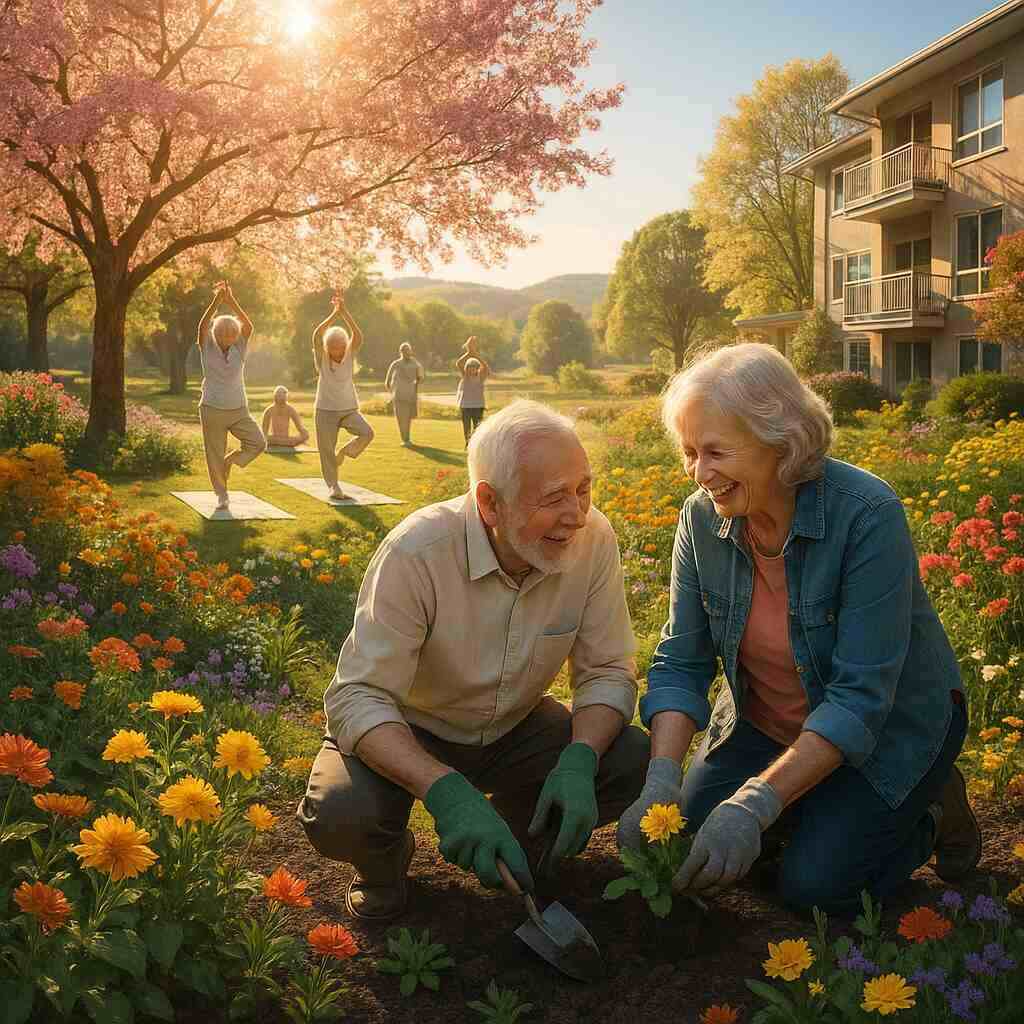
How Senior Living Communities Help Residents Thrive in Spring
Spring is more than just a change in weather. For residents in senior living communities, it represents a meaningful opportunity to reconnect with nature, refresh routines, and support overall well-being. Senior living facilities across the country are thoughtfully designed to help older adults make the most of this season — physically, emotionally, and socially.
Why Seasonal Transitions Matter for Older Adults
As winter fades and daylight returns, many older adults experience a noticeable lift in mood and energy. However, seasonal transitions can also bring challenges — changes in routine, increased pollen exposure, or uneven outdoor surfaces after winter. Senior living communities recognize these shifts and respond with structured, thoughtful planning that helps residents enjoy all the benefits spring has to offer while staying safe and comfortable.
Refreshing Living Spaces for Spring
One of the first things many facilities do as spring arrives is refresh their indoor environments. This often involves:
- Introducing natural light through rearranged furniture and open window treatments
- Adding floral arrangements and spring-themed decor
- Updating communal spaces with brighter colors and natural textures
This approach draws on the principles of biophilic design, which focuses on incorporating elements of the natural world into built environments. Research consistently supports the idea that access to light, greenery, and natural materials helps reduce stress and improve emotional well-being. For seniors who may spend more time indoors, these environmental details genuinely matter.
Outdoor Activities Built for Every Fitness Level
Getting outside is one of the most valuable things seniors can do in spring. Senior living facilities make this accessible by offering structured outdoor programming for residents of varying mobility levels.
Gardening Programs
Many communities offer resident gardening programs where seniors can plant flowers, herbs, or vegetables in raised beds or accessible garden areas. These programs offer real, tangible benefits:
- A sense of purpose and accomplishment
- Light physical activity through planting and tending
- Opportunities for social interaction with fellow residents
- A meaningful connection to the natural cycles of growth
Watching something grow from a seed to a full plant can be quietly powerful. For residents dealing with isolation or loss of independence in other areas, gardening offers a form of agency that is both grounding and joyful.
Nature Walks and Gentle Outdoor Exercises
Guided nature walks give residents a chance to experience spring firsthand — from blooming trees to birdsong and fresh air. These outings are designed to be inclusive, with paths that accommodate walkers, wheelchairs, and varying speeds. Group walks also naturally encourage conversation and bonding among residents.
For those looking for something more active, facilities often introduce spring fitness options such as chair yoga outdoors, light stretching classes in garden areas, or tai chi sessions on patios.
Spring Safety: Practical Considerations
Enjoyment and safety go hand in hand. Senior living staff typically prepare for spring with a few key safety measures:
- Footwear guidance: Reminding residents to wear supportive, non-slip shoes on outdoor outings
- Hydration reminders: Warmer weather increases the risk of dehydration, especially for older adults
- Sun exposure awareness: Scheduling outdoor activities during cooler morning hours and encouraging sunscreen use
- Allergy and pollen awareness: Monitoring local pollen counts and adjusting outdoor programming accordingly
- Terrain assessments: Checking walking paths for uneven surfaces, wet leaves, or other hazards following winter weather
These precautions are not meant to limit participation — they are designed to make full participation possible for as many residents as safely achievable.
Supporting Mental Health Through the Season
The mental health benefits of spring are well established. Longer days and more sunlight naturally support better sleep patterns and reduced symptoms of seasonal depression. Senior living communities build on this by introducing programming aimed at emotional well-being, including:
- Group mindfulness and relaxation sessions
- Art and craft activities with spring themes
- Social events that encourage connection among residents and families
Facilities also maintain open communication between residents and care staff, making it easier to identify and respond to emotional needs before they become more serious concerns.
Seasonal Nutrition: Making the Most of Spring Produce
Spring also brings an opportunity to refresh dining menus with seasonal ingredients. Fresh produce like asparagus, peas, strawberries, and leafy greens are not only flavorful but packed with nutrients that support immune health and energy levels. Many senior living communities partner with local sources to incorporate seasonal items into daily meals, making nutrition both appealing and timely.
A Season of Renewal for Seniors
Spring in a senior living community is not simply a backdrop — it is an active part of the care experience. From redesigned spaces and outdoor programs to mental health support and seasonal nutrition, well-run facilities use this season deliberately and thoughtfully. For families exploring senior living options, understanding how a community embraces seasonal wellness can be a meaningful indicator of overall care quality.
How Senior Living Facilities Support Seniors Through Spring


Comments
Post a Comment