How Technology Is Transforming Senior Living Safety in 2026
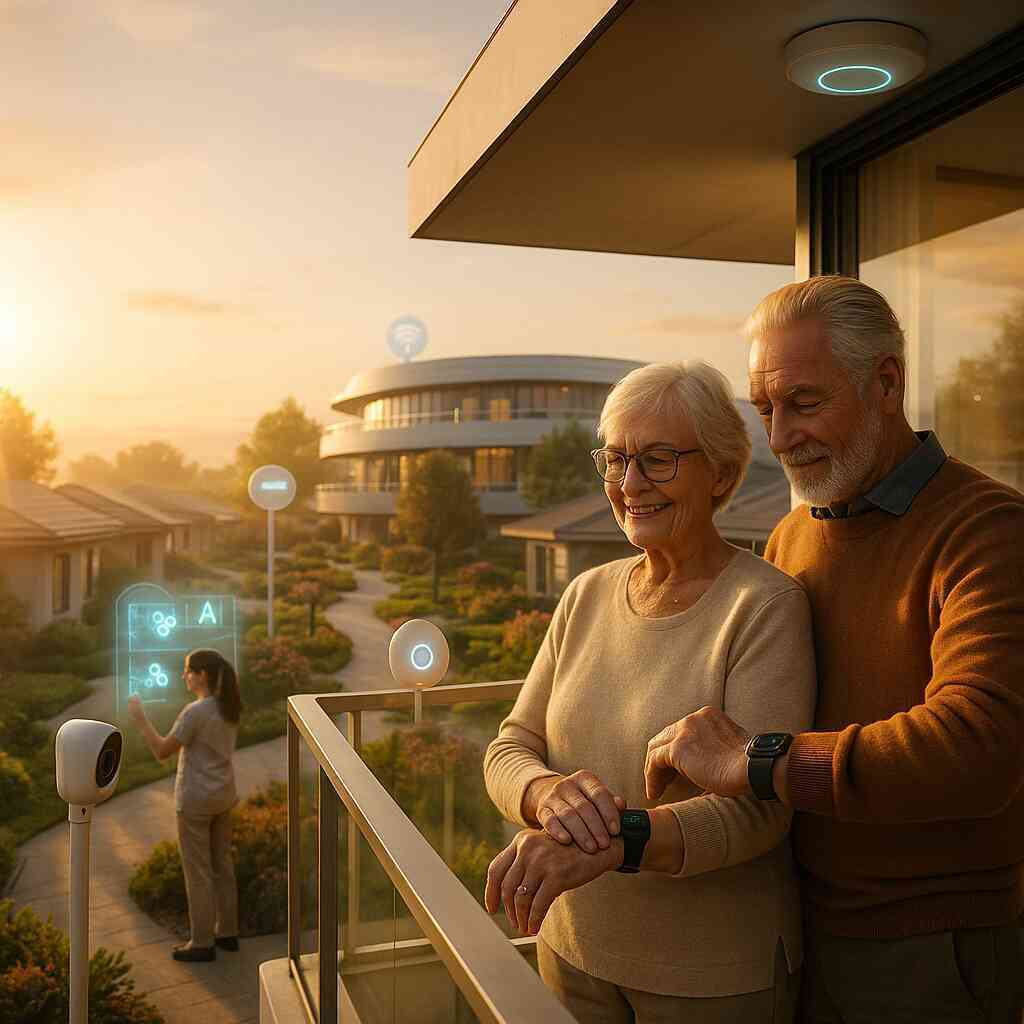
How Technology Is Transforming Senior Living Safety in 2026
Senior living facilities are embracing a new wave of technology in 2026 that is fundamentally changing how safety is managed, monitored, and maintained. From wearable health devices to AI-assisted care tools, these innovations are reshaping what it means to live comfortably and securely in a senior community.
Why Safety Drives Every Technology Decision
Safety is not just a priority in senior living — it is the foundation everything else is built on. Seniors face a higher risk of falls, medical emergencies, and chronic health complications than younger populations. Families choosing a facility need confidence that their loved one is protected around the clock.
Technology addresses this need directly. It fills gaps that staff coverage alone cannot, provides real-time data to caregivers, and reduces response times when incidents occur. The result is a safer, more responsive environment for residents.
Smart Home Solutions Encourage Independence
One of the most meaningful shifts happening right now involves smart home technology integrated directly into resident living spaces. These systems go well beyond convenience.
- Automated lighting reduces the risk of nighttime falls by illuminating pathways when motion is detected.
- Smart thermostats maintain comfortable temperatures without requiring residents to adjust settings manually.
- Medication reminder systems alert residents when it is time to take prescriptions, reducing dangerous missed doses.
- Voice-activated controls allow seniors with limited mobility to manage their environment without physical strain.
These tools promote independence while quietly reinforcing safety. Seniors can do more on their own terms, and staff are notified automatically if something seems off.
Wearable Devices Provide Continuous Health Monitoring
Wearable health technology has matured significantly and is now a standard feature in many forward-thinking senior communities. These small, unobtrusive devices worn on the wrist or body can:
- Track heart rate and blood oxygen levels continuously
- Monitor sleep patterns and physical activity
- Detect irregular rhythms or sudden changes in vital signs
- Send alerts directly to caregiving staff or healthcare providers
The real value here is early detection. A concerning trend in a resident's heart rate or a sudden drop in activity levels can signal a problem before it becomes a crisis. That kind of proactive data helps care teams intervene faster and more effectively.
Families also benefit. Many platforms allow authorized family members to receive health updates, easing anxiety and keeping everyone informed without constant phone calls.
Fall Detection Systems: Fast Response When It Matters Most
Falls remain one of the leading causes of serious injury among older adults. Traditional call buttons help, but they rely on the resident being conscious and able to press them. Modern fall detection systems do not have that limitation.
Using a combination of accelerometers, motion sensors, and machine learning, today's fall detection devices can:
- Identify the motion patterns associated with a fall
- Distinguish between a fall and other sudden movements
- Immediately alert staff or emergency responders
- Log incident data for later review
Minimizing the time between a fall and a response can be the difference between a quick recovery and a serious long-term complication. These systems provide that critical speed.
Telehealth Closes the Distance Between Seniors and Their Doctors
Access to healthcare is a persistent challenge in senior living. Telehealth platforms are changing that in a practical, measurable way. Virtual consultations allow residents to connect with physicians, specialists, and therapists without the logistical difficulty of in-person travel.
Remote monitoring tools extend this further by allowing care teams to track chronic conditions like diabetes, heart disease, or respiratory issues on an ongoing basis. Healthcare providers can review data trends, adjust treatment plans, and flag concerns without waiting for a scheduled visit.
This continuous connection improves outcomes and reduces unnecessary hospitalizations — a major benefit for both residents and facilities.
AI and Robotics Are Expanding What Care Looks Like
Artificial intelligence and robotics are no longer futuristic concepts in senior care. In 2026, they are practical tools being deployed in real communities. AI systems can analyze patterns in resident behavior and health data to flag risks before they escalate. Robotic assistants help with mobility support, medication delivery, and even social engagement.
These tools are not replacing human caregivers. Instead, they are freeing staff to focus on the personal, relationship-driven aspects of care that technology cannot replicate.
A Safer Future for Senior Living
The integration of smart home systems, wearables, fall detection, telehealth, and AI is creating a more connected and responsive care environment. Senior living facilities that invest in these technologies are not just upgrading their equipment — they are raising the standard of care and safety for every resident.
For families exploring senior living options, understanding which technologies a facility uses can be one of the most important questions to ask.
Senior Living Facilities Tech Trends Boosting Safety 2026


Comments
Post a Comment