Memory Care in Senior Living: Going Beyond Basic Dementia Support
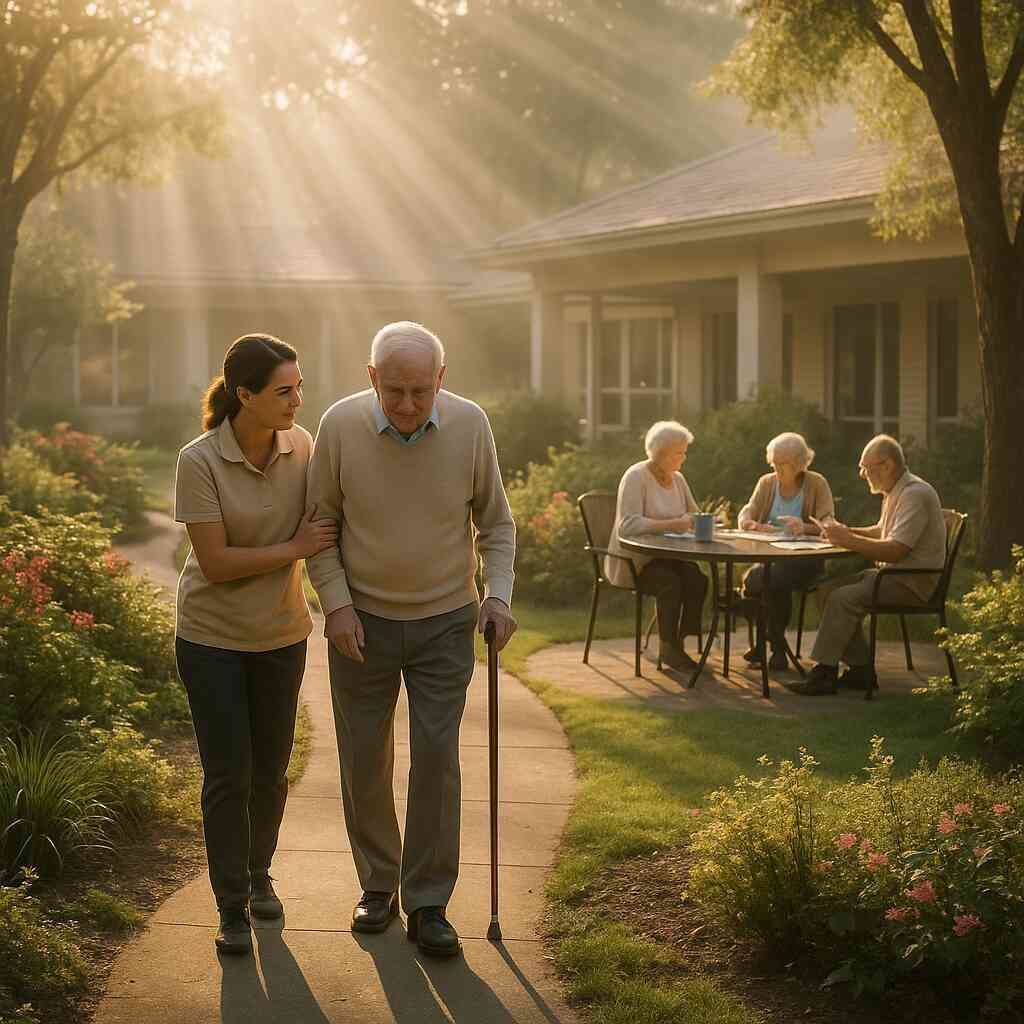
Memory Care in Senior Living: Going Beyond Basic Dementia Support
Senior living facilities are doing far more than providing shelter and meals for residents with dementia. Today's leading communities have developed layered, personalized systems of care that address the cognitive, emotional, and physical dimensions of dementia in ways that go well beyond standard program guidelines.
This overview breaks down how these communities are raising the bar for dementia care and what families should understand when evaluating memory care options.
Understanding What Dementia Patients Truly Need
Dementia is not a single condition with a single progression. It affects memory, communication, behavior, and decision-making in ways that vary from person to person. Effective care must account for those differences.
Strong dementia support focuses on:
- Person-centered planning — building care routines around each resident's personal history, habits, and preferences
- Empathic communication — using patience and clarity to reduce anxiety during daily transitions
- Consistency — maintaining predictable routines that provide comfort and reduce confusion
Facilities that understand these fundamentals are better equipped to protect resident dignity while managing the practical demands of cognitive care.
How Senior Living Facilities Deliver Dementia Support
Modern senior living communities serve as more than a safe place to live. They function as care ecosystems, bringing together trained staff, medical professionals, and purposefully designed environments.
Key components of quality dementia care in these settings include:
- Specialist staffing — dementia care professionals trained in behavioral management, de-escalation, and communication
- Integrated care teams — coordination between nurses, therapists, and physicians to address both cognitive and physical health
- Family engagement — keeping loved ones informed and involved in care decisions
Facilities with strong dementia programs often allow families to compare different memory care models so they can make informed decisions based on their loved one's specific stage and needs.
The Modern Memory Care Program: What Has Changed
Memory care programs have grown significantly more sophisticated. The focus has shifted from simply keeping residents safe to actively supporting cognitive function and emotional wellness.
Today's programs commonly include:
- Sensory therapy — using touch, scent, sound, and texture to stimulate cognitive engagement
- Music therapy — tapping into long-term memory through familiar songs and rhythms
- Art therapy — encouraging creative expression that promotes mental agility and emotional release
- Structured social activities — group settings that reduce isolation and support communication
These approaches are grounded in research showing that meaningful engagement can help slow the progression of certain dementia symptoms and improve overall quality of life.
Personalized Care Plans: Why One Size Does Not Fit All
Personalization is one of the most important advances in dementia care. A resident who spent decades as a gardener has different needs and comforts than one who was a musician or a teacher. Effective memory care recognizes this.
Customized care plans are designed around:
- Daily routines that feel familiar and manageable
- Food preferences and nutritional needs
- Social and recreational activities that match past interests
- Communication styles that reduce frustration
This approach helps residents maintain a sense of identity, even as memory loss progresses. It also reduces behavioral challenges that often stem from disorientation or unmet needs.
Dementia-Friendly Design in Senior Communities
The physical environment has a direct impact on how residents with dementia experience daily life. Thoughtfully designed spaces reduce confusion, support independence, and lower the risk of accidents.
Features commonly found in dementia-friendly facilities include:
- Non-slip flooring and clear pathways
- Simple, consistent signage to aid navigation
- Calming color palettes that reduce visual overstimulation
- Secure outdoor spaces that allow safe movement and fresh air
- Private and communal spaces that balance quiet time with social opportunities
These design choices are not cosmetic. They are clinical decisions that affect residents' stress levels, mobility, and sense of safety.
Technology Supporting Better Dementia Outcomes
Senior living facilities are increasingly integrating technology into dementia care. Tools like remote monitoring systems, digital engagement platforms, and telehealth services allow care teams to track changes in behavior or health status more efficiently.
This means faster responses when a resident's condition shifts and better continuity of care between in-person visits from physicians.
What Families Should Look For
When evaluating memory care options, it helps to ask specific questions:
- How are care plans developed and updated over time?
- What training do direct care staff receive?
- How does the facility communicate with family members?
- What therapeutic programs are offered, and how often?
- What does the physical layout look like, and how is it designed for dementia residents?
Understanding memory care fees and what is included in different pricing tiers is also an important part of planning. Transparency in cost structure is a good indicator of a trustworthy facility.
Final Thoughts
Dementia care in senior living has moved well beyond basic supervision. The most effective communities combine personalized planning, therapeutic engagement, intentional design, and trained staff to deliver care that genuinely improves life for residents and provides peace of mind for families. Knowing what to look for makes it easier to find the right fit.
How Senior Living Facilities Support Dementia Care Beyond GUIDE


Comments
Post a Comment