Senior Housing Choices for Those Turning 55 in 2026
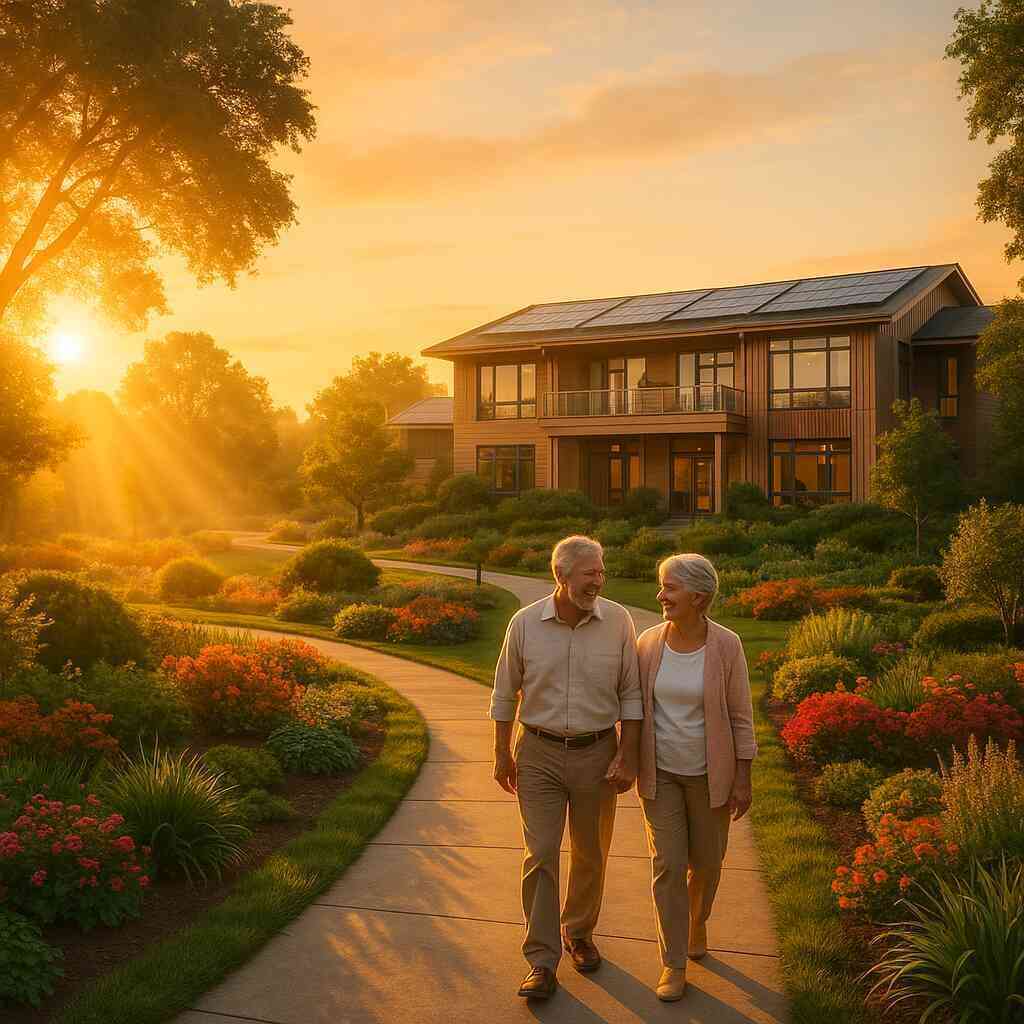
Senior Housing Choices for Those Turning 55 in 2026
Turning 55 is a meaningful milestone, and it often prompts a closer look at where and how you want to live in the years ahead. This overview covers six of the most practical and popular housing options available for seniors in 2026, helping you make a well-informed decision.
Why Housing Decisions Matter More at 55
At 55, many people are still active, independent, and in good health. But planning ahead for housing is one of the smartest moves you can make. The right environment can support your lifestyle now while also accommodating future needs around health, mobility, and social connection.
The senior living industry has shifted significantly. In 2026, communities are more focused on personalized care, wellness programming, and sustainable design than ever before. Knowing your options puts you in a stronger position to choose a community that truly fits.
1. Independent Living Communities
Independent living communities are a strong fit for active seniors who want a low-maintenance lifestyle with built-in social opportunities. Residents typically live in private apartments or cottages, free from the demands of home upkeep.
These communities usually offer:
- Fitness centers and swimming pools
- Organized social and recreational activities
- On-site dining options
- Transportation services
The financial structure can vary, but many seniors find that combining housing costs into one monthly fee is simpler and often more affordable than managing a traditional home. It removes hidden costs like repairs, yard maintenance, and property taxes.
2. Assisted Living Facilities
Assisted living is designed for seniors who value independence but need some support with daily tasks. This might include help with bathing, dressing, medication management, or meals.
What sets quality assisted living apart is the balance it strikes. Residents maintain their own routines and personal space while having trained staff available around the clock. Medical and personal support services are typically integrated into the community, which gives both residents and family members real peace of mind.
Choosing the right facility means looking beyond the amenities. Consider staff-to-resident ratios, the range of care services offered, and how the community handles transitions if care needs increase.
3. Age-Restricted Communities (55+ Neighborhoods)
These are standard residential neighborhoods where at least one resident per household must be 55 or older. They are not care facilities. Instead, they are regular homes — often single-family or townhome style — within a community of peers.
For seniors who still want full homeownership with neighbors in a similar life stage, 55+ communities offer a comfortable middle ground. Many include clubhouses, fitness facilities, and organized social events without the full-service model of a senior living campus.
4. Continuing Care Retirement Communities (CCRCs)
Also known as life plan communities, CCRCs offer a full spectrum of care under one roof. Residents can start in independent living and transition to assisted living or memory care as their needs change — without having to move to an entirely new location.
This model is appealing because it offers long-term stability. You build relationships within one community and don't face the disruption of relocating when health needs shift. CCRCs typically require an entrance fee along with monthly costs, so financial planning is especially important here.
5. Memory Care Communities
Memory care communities are specifically designed for individuals living with Alzheimer's disease or other forms of dementia. These communities provide structured environments with trained staff, secure layouts, and programming tailored to cognitive health.
For families navigating this path, memory care offers a level of specialized support that general assisted living facilities may not provide. The physical design, daily routines, and staff training are all oriented around safety and engagement for residents with memory challenges.
6. In-Home Care and Aging in Place
Not every senior wants to move into a community setting. Aging in place — remaining in your own home with modifications and support — is a viable option for many.
This approach often involves:
- Home modifications like grab bars, ramps, or stair lifts
- In-home care aides for personal or medical assistance
- Meal delivery and transportation services
- Remote health monitoring technology
In 2026, technology has made aging in place more practical than in past decades. Smart home devices, telehealth services, and wearable health monitors all support greater independence at home.
Making the Right Choice
No single housing option works for everyone. The best choice depends on your health, finances, social preferences, and long-term goals. It can be helpful to tour multiple communities, ask detailed questions about care transitions, and involve family members or trusted advisors in the conversation.
Starting this process at 55 — rather than waiting for a health event to force a decision — gives you more control and more options. Taking the time now to explore what is available can make a meaningful difference in how comfortably and confidently you move into the next chapter.
Top 6 Housing Options for Seniors Turning 55 in 2026


Comments
Post a Comment