Senior Living Continuum of Care: What Families Need to Know
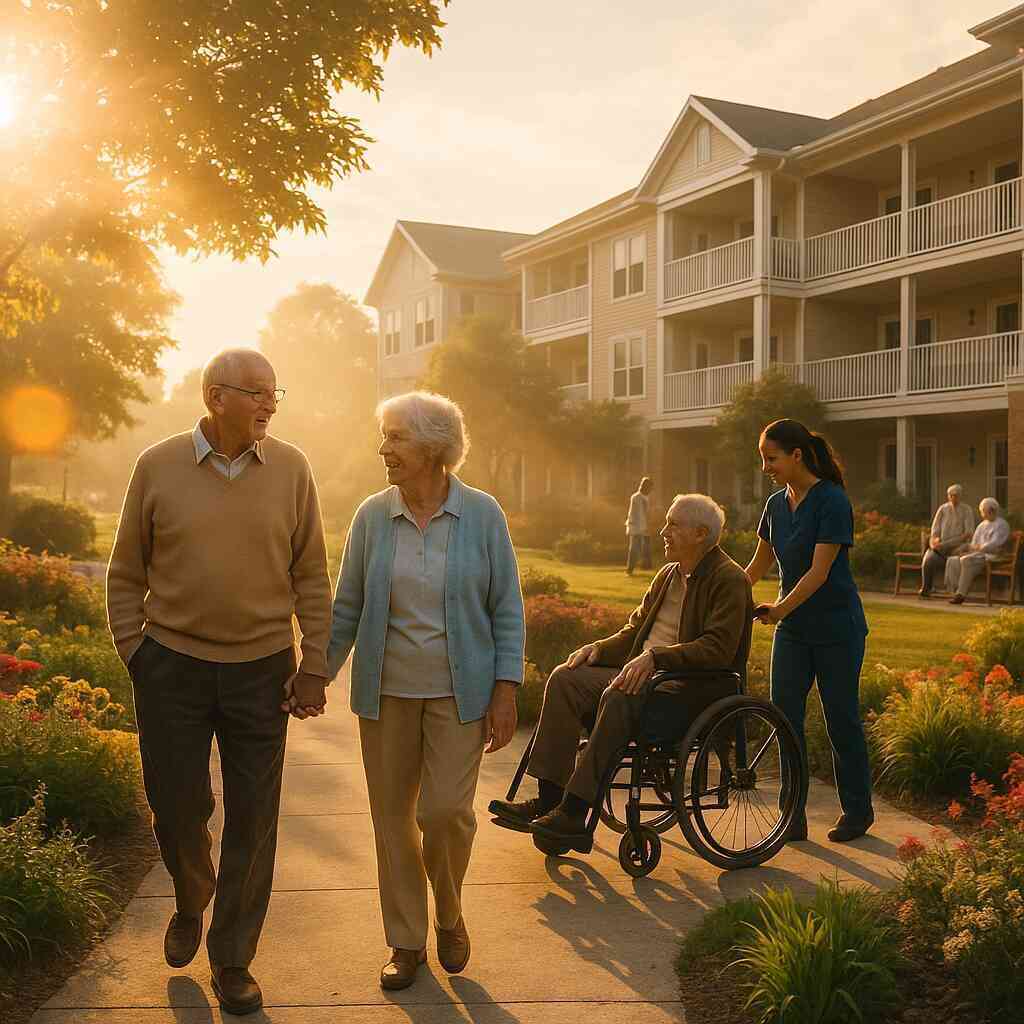
Senior Living Continuum of Care: What Families Need to Know
Understanding the continuum of care in senior living is one of the most important steps families can take when planning for an older adult's future. This overview breaks down how care levels are structured, what each stage involves, and how integrated approaches are reshaping elder care in 2026.
What Is the Continuum of Care?
The continuum of care refers to the full range of senior living and support options available to older adults as their needs change over time. It is not a single destination but a flexible framework that allows seniors to move between care levels as their health, mobility, or cognitive abilities evolve.
Rather than facing an abrupt transition from full independence to intensive medical care, seniors can progress gradually through a spectrum of options that are designed to match their current needs. This continuity is what makes modern senior living communities so valuable to families navigating elder care decisions.
The Senior Living Spectrum Explained
The senior living spectrum includes several distinct levels of care, each serving a different population of older adults.
Independent Living
Independent living communities are designed for seniors who are largely self-sufficient but prefer the convenience, social engagement, and maintenance-free lifestyle that a community setting provides. These communities often feature:
- Organized social activities and wellness programs
- Dining options and housekeeping services
- On-site amenities such as fitness centers and libraries
- Peer communities, often in 55+ settings
The focus here is on quality of life and active living, not medical supervision.
Assisted Living
Assisted living bridges the gap between independence and more intensive care. Residents receive help with activities of daily living such as bathing, dressing, grooming, and medication management, while still maintaining a meaningful degree of personal freedom.
Staff are available around the clock, but the environment is designed to feel like home rather than a clinical setting. This balance is a key reason many families consider assisted living a preferred middle-ground option.
Memory Care
Memory care units are specialized environments within senior living communities designed for individuals living with Alzheimer's disease or other forms of dementia. These settings offer structured routines, secure layouts, and staff trained specifically in cognitive care. Safety and dignity are the dual priorities in memory care environments.
Skilled Nursing and Nursing Homes
At the far end of the spectrum, skilled nursing facilities and nursing homes provide intensive, around-the-clock medical care for seniors with significant health needs. These settings are staffed by licensed nurses and healthcare professionals who manage complex medical conditions, rehabilitation, and long-term care for the most vulnerable populations.
Aging in Place as Part of the Continuum
Not every senior transitions into a facility setting. Aging in place remains a widely preferred option for older adults who want to remain in their own homes or familiar communities while still accessing professional support.
Many senior living organizations now offer programs and resources that support aging in place, including home health aide coordination, adaptive home modifications, and remote health monitoring. When in-home care is no longer sufficient, these same organizations can help facilitate a smooth transition into the appropriate level of community-based care.
The key is planning ahead. Families who explore options before a crisis occurs are far better positioned to make thoughtful, well-informed decisions.
The Value of Integrated Senior Care
One of the most significant shifts in senior care in recent years is the move toward integrated care models. Rather than treating physical health, mental well-being, and social engagement as separate concerns, integrated senior care addresses all of these dimensions together.
This holistic approach typically involves:
- Coordination between physicians, care staff, and family members
- Wellness programs that support both physical and emotional health
- Social programming designed to reduce isolation
- Personalized care plans that are regularly updated as needs change
Facilities that embrace integrated care tend to produce better outcomes for residents because they treat the whole person, not just a list of medical conditions.
How to Evaluate the Right Level of Care
Choosing the right point on the continuum involves an honest assessment of several factors:
- Current health status: What medical support does the individual need daily?
- Cognitive function: Are there signs of memory loss or confusion that require specialized support?
- Social needs: How important is peer interaction and structured programming?
- Family involvement: What level of family caregiving is realistic long-term?
- Future planning: What level of care might be needed in the next one to five years?
Speaking with a care advisor or geriatric care manager can be genuinely helpful in sorting through these questions with clarity and objectivity.
Final Thoughts
The continuum of care within senior living facilities is designed to support older adults at every stage of aging, from vibrant independence to complex medical need. Understanding how these levels connect and overlap allows families to make proactive, confident decisions rather than reactive ones. The goal is always the same: ensuring that every senior receives the right care, in the right setting, at the right time.
Defining Continuum of Care within Senior Living Facilities


Comments
Post a Comment