Senior Living Facilities vs. Nursing Homes: What to Know in 2026
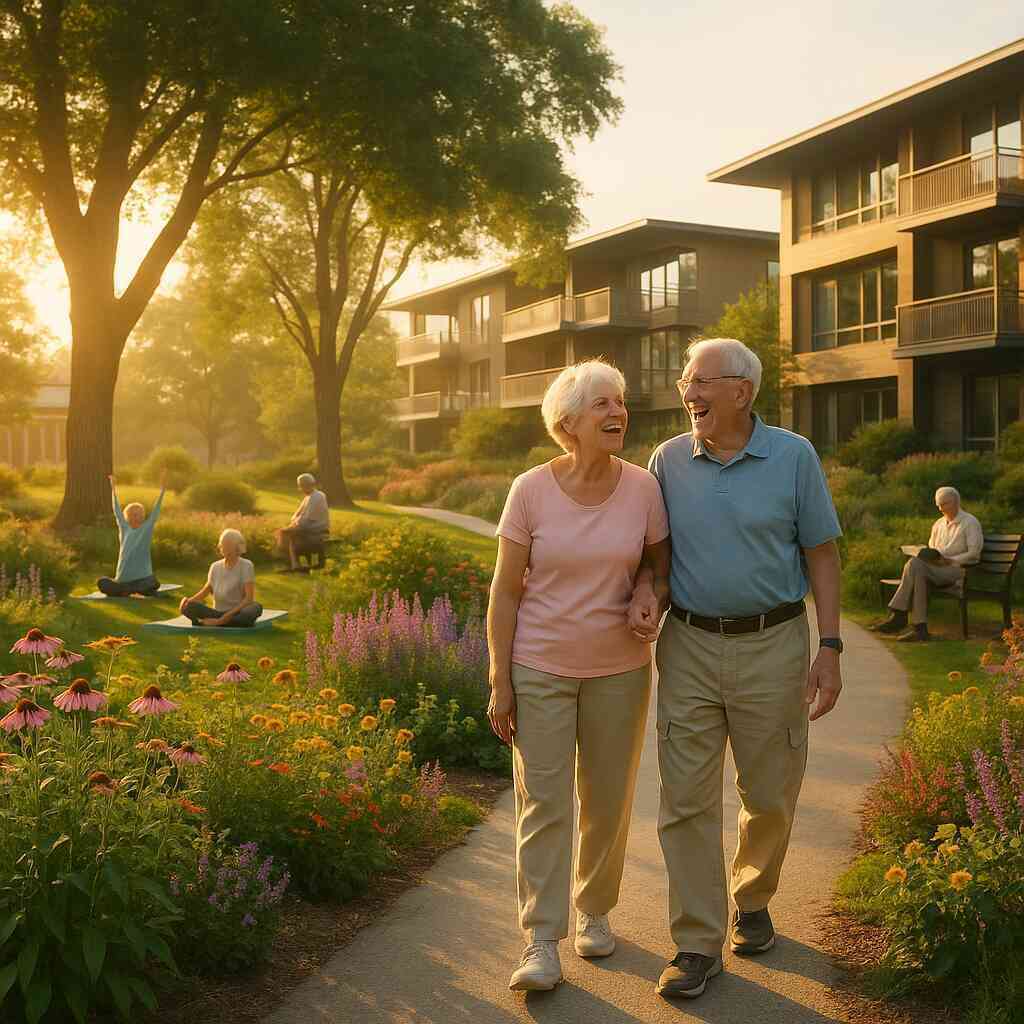
Senior Living Facilities vs. Nursing Homes: What to Know in 2026
Choosing the right senior care option is one of the most important decisions a family can make. Whether you are planning ahead for yourself or helping a loved one navigate the transition, understanding the differences between senior living facilities and nursing home care can make that process far less overwhelming.
This overview breaks down the key distinctions, current trends, and practical considerations shaping senior care in 2026.
The Broad Spectrum of Senior Living
Senior living is not a single category — it covers a wide range of options depending on how much support an individual needs.
- Independent living communities serve active older adults who want a maintenance-free lifestyle with social opportunities but do not need medical assistance.
- Assisted living facilities provide help with daily tasks like bathing, dressing, and medication management while preserving as much independence as possible.
- Residential care homes offer a smaller, more intimate setting for those who need consistent personal attention.
Each option sits at a different point on the care spectrum, and the right choice depends on a person's current health, lifestyle preferences, and long-term needs.
What Nursing Home Care Actually Involves
Nursing homes — also called skilled nursing facilities — go beyond basic housing and daily support. They are designed for seniors with complex or chronic medical needs that require around-the-clock professional care.
These facilities typically have registered nurses, licensed practical nurses, and physical or occupational therapists on staff. Services often include:
- Chronic disease management
- Post-surgical rehabilitation
- Wound care and IV therapy
- Memory care for advanced cognitive decline
Nursing homes also provide social programming and recreational activities, but the primary focus is clinical care. Families choosing this path should expect a more structured environment compared to independent or assisted living settings.
How Assisted Living Differs From Nursing Home Care
This is one of the most commonly misunderstood distinctions in senior care.
Assisted living prioritizes a home-like atmosphere. Residents typically have private or semi-private apartments and receive support with daily activities based on personalized care plans. Medical oversight exists, but it is generally limited compared to a skilled nursing facility.
Nursing homes, by contrast, are better suited for individuals who require intensive, ongoing medical monitoring. The trade-off is a higher level of safety and clinical support in exchange for less day-to-day independence.
Neither option is universally better. The right fit depends entirely on the individual's health status and personal priorities.
Key Trends Reshaping Senior Care in 2026
Several meaningful shifts are influencing how senior living facilities and nursing homes operate this year.
Personalized Care Models
Facilities are moving away from one-size-fits-all approaches. Personalized care plans now account for lifestyle preferences, cultural backgrounds, dietary needs, and even personality when structuring daily routines and support services.
Technology Integration
Smart home devices, remote health monitoring, and telemedicine have become standard features in many senior communities. These tools improve safety, reduce unnecessary hospital visits, and give residents and families greater peace of mind.
Wellness-Centered Design
New and renovated facilities are incorporating fitness centers, outdoor spaces, and community gardens as part of a broader commitment to physical and mental well-being — not just medical management.
Eco-Friendly and Sustainable Facilities
Environmental design is gaining traction. Energy-efficient buildings, green spaces, and sustainable food sourcing are appearing more frequently as seniors and their families prioritize healthful, thoughtful environments.
Practical Questions to Ask When Comparing Options
Before committing to any facility, it helps to gather specific information. Consider asking:
- What level of medical care is available on-site?
- How are care plans created and updated over time?
- What happens if a resident's needs change significantly?
- What is the staff-to-resident ratio?
- How are families kept informed and involved?
Visiting facilities in person, if possible, gives you a clearer sense of the culture, cleanliness, and how staff interact with residents.
Making a Well-Informed Decision
There is no universal right answer when comparing senior living facilities and nursing home care. The best choice depends on the individual's health needs, desired level of independence, budget, and personal values.
What matters most is approaching the decision with accurate information and a clear understanding of what each option truly offers. Taking the time to evaluate the full spectrum of senior housing options — rather than defaulting to the most familiar choice — often leads to better outcomes and greater satisfaction for both seniors and their families.
This overview is a starting point. The more specific and informed your questions, the better positioned you will be to find care that genuinely fits.
Comparing Senior Living Facilities and Nursing Home Care in 2026


Comments
Post a Comment