Spring Wellness in Senior Living: How Facilities Prepare Residents
Spring Wellness in Senior Living: How Facilities Prepare Residents
As spring arrives in 2026, senior living facilities across the country are shifting their focus toward seasonal wellness programs designed to help residents feel their best. From outdoor activities to updated nutrition plans, the transition into spring brings meaningful opportunities to support the health and happiness of older adults.
Why Spring Is a Key Season for Senior Health
Spring offers more daylight, milder temperatures, and a natural mood lift that benefits seniors in real, measurable ways. Increased sun exposure helps the body produce vitamin D, which plays an important role in bone strength, immune function, and mood regulation. The season also creates ideal conditions for outdoor movement, social engagement, and reconnecting with nature.
For senior living facilities, spring is not just a backdrop. It is an active opportunity to refresh wellness programming and address the specific health needs that come with seasonal change.
Allergy Management and Respiratory Health
One of the first priorities in spring is managing allergens. Rising pollen counts can affect respiratory health, particularly for residents with asthma or other sensitivities. Well-prepared facilities respond by:
- Increasing indoor cleaning frequency to reduce dust and allergens
- Using air filtration systems to maintain indoor air quality
- Educating residents on recognizing and managing allergy symptoms
- Coordinating with medical staff to review or update allergy-related care plans
This proactive approach allows residents to enjoy spring's offerings without unnecessary discomfort or health setbacks.
Updating Nutrition Plans for the Season
Spring produce offers a natural boost to seasonal nutrition. Senior living dining teams often update menus to include fresh fruits and vegetables that are rich in vitamins, antioxidants, and fiber. Strawberries, asparagus, peas, and leafy greens are common additions that support immune health and energy levels.
Hydration also receives greater attention as temperatures climb. Dehydration is a common and preventable issue among older adults, and facilities typically encourage consistent fluid intake through water, herbal teas, and hydrating foods. These dietary adjustments are a simple but effective part of spring health preparation.
Expanding Outdoor and Physical Activity Programs
Mild spring weather opens the door to outdoor programming that simply isn't possible in winter. Senior living communities typically take advantage of this by organizing:
- Guided walking groups along facility pathways or nearby parks
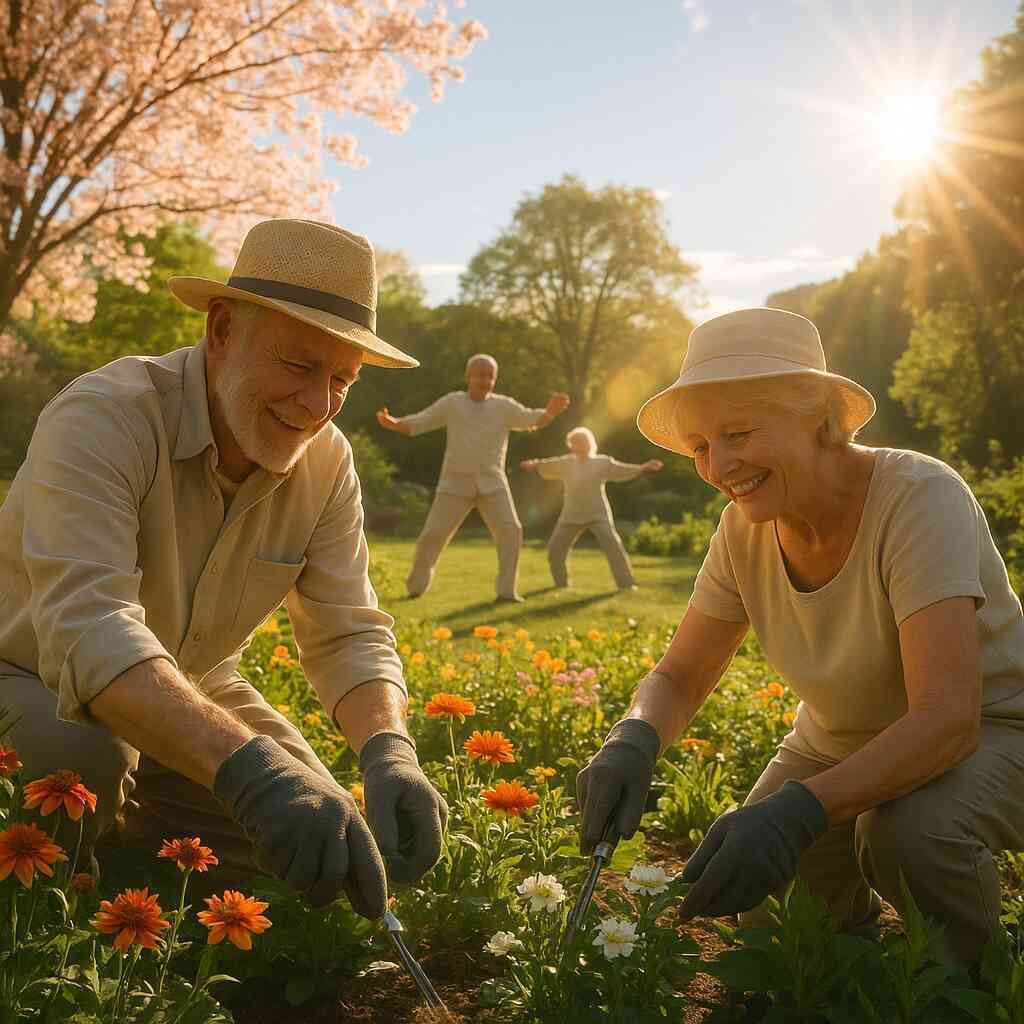
- Gentle yoga or stretching sessions held outdoors in garden areas
- Community gardening projects that combine light physical activity with a sense of purpose
- Nature observation outings that encourage mindfulness and sensory engagement
Regular physical activity improves cardiovascular health, helps maintain muscle strength, and reduces stress. It also creates natural social opportunities, which are just as important for long-term well-being as physical fitness.
The Mental Health Benefits of Spring Engagement
Beyond physical health, spring has well-recognized effects on mental and emotional wellness. Seniors who spend time outdoors among blooming landscapes often report improved mood and reduced feelings of isolation. Seasonal affective patterns that develop during winter months tend to ease as daylight increases.
Facilities that design programming with mental health in mind use spring as a reset point. Activities like gardening, birdwatching, or simply sitting outside in the afternoon sun can reduce symptoms of anxiety and depression. Social programming, such as group outings or outdoor meals, reinforces community bonds that support emotional resilience.
Seasonal Health Check-Ups and Preventive Care
Spring is also a natural time for facilities to encourage routine health evaluations. These seasonal assessments allow care teams to:
- Review current medications and adjust for any seasonal factors
- Check vitamin D levels and address any deficiencies
- Monitor blood pressure, which can fluctuate with activity and temperature changes
- Identify early signs of seasonal allergies or respiratory issues
Early detection remains one of the most effective tools in senior health management. By scheduling these check-ins around seasonal transitions, facilities help residents stay ahead of potential issues.
Creating a Holistic Spring Wellness Environment
The best senior living communities approach spring health as a whole-person effort. Physical activity, nutrition, mental engagement, preventive care, and social connection all work together. When facilities coordinate these elements intentionally, residents benefit from a smoother seasonal transition and a stronger foundation for well-being throughout the year.
This overview reflects just how much thoughtful planning goes into seasonal care at quality senior living communities. Spring is more than a change in weather. For seniors and the teams who support them, it is a meaningful opportunity to renew and strengthen overall health.
How Senior Living Facilities Prepare Residents for Spring Health


Comments
Post a Comment