Ways Senior Living Communities Keep Older Adults Socially Active
Ways Senior Living Communities Keep Older Adults Socially Active
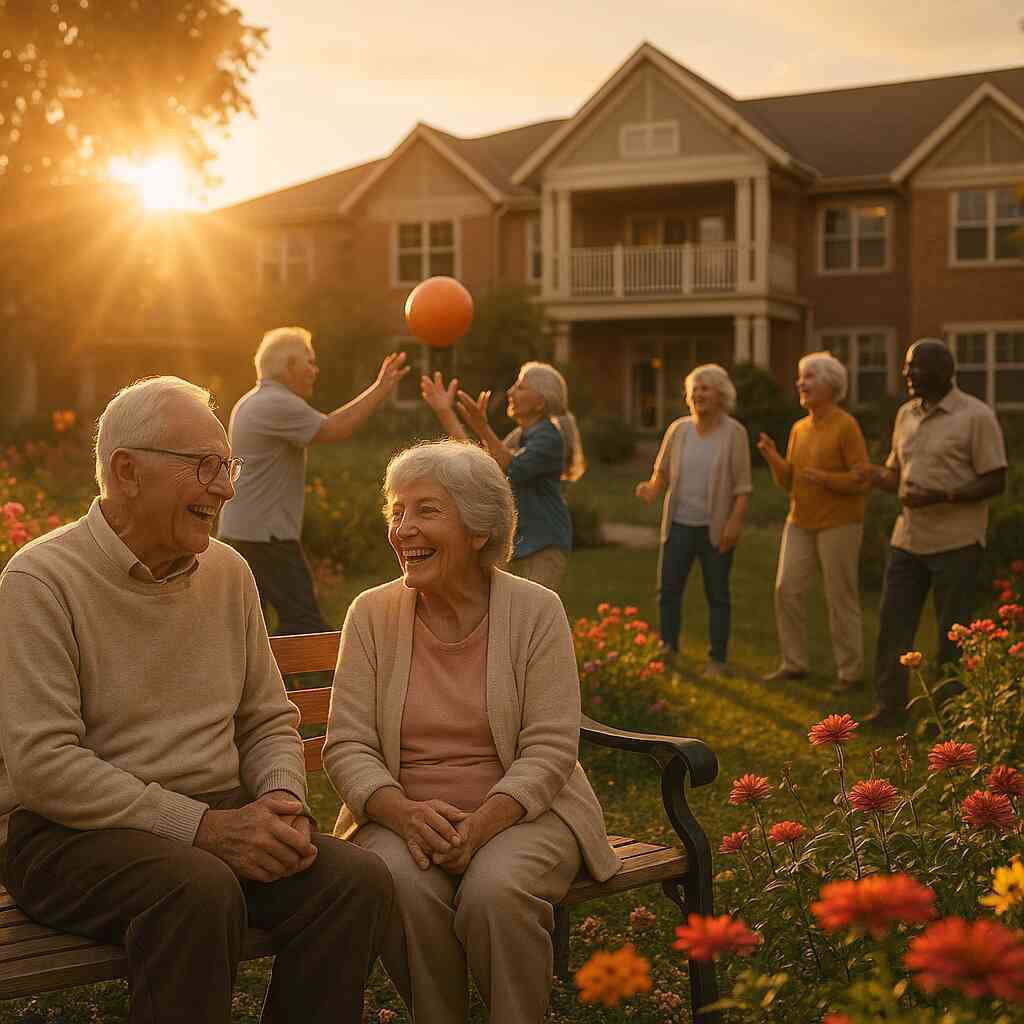
Social connection is one of the most powerful factors in healthy aging. Senior living facilities are designed not just to meet physical needs, but to actively support the social and emotional well-being of every resident.
Why Social Connection Matters So Much as We Age
As people grow older, the risk of isolation rises. Reduced mobility, the loss of longtime friends, and changes in daily routine can all limit social contact. This isolation is not just uncomfortable — it has measurable effects on mental and physical health.
Staying socially active helps seniors:
- Maintain a more positive mood and emotional outlook
- Support cognitive function and mental sharpness
- Stay more physically active through group participation
- Feel a stronger sense of purpose and belonging
Senior living communities are built around addressing these exact needs. Rather than leaving social connection to chance, these facilities create intentional environments where interaction is encouraged every single day.
Structured Activities That Bring Residents Together
One of the most effective tools a senior living facility has is a well-organized activities program. Events and group activities give residents a natural reason to gather, participate, and connect with one another.
Common examples include:
- Cultural and themed events such as holiday celebrations, music nights, and cultural festivals
- Art and creative sessions like painting classes, craft workshops, and photography groups
- Fitness and movement classes that blend physical wellness with social engagement
- Game nights and trivia events that spark friendly competition and conversation
These events do more than fill time. They create shared experiences that become the foundation for new friendships and lasting memories.
The Role of Interest-Based Clubs and Organizations
Beyond scheduled events, many senior living communities offer ongoing clubs and organizations centered around specific hobbies or interests. These groups meet regularly and give residents a consistent social circle built around something they genuinely enjoy.
Popular club options often include book clubs, gardening groups, quilting circles, chess clubs, and film discussion groups. The recurring nature of these gatherings is important. When seniors meet the same people week after week over a shared passion, deeper and more meaningful friendships tend to develop naturally.
These clubs also give residents a sense of ownership and agency. They are not just attending an event — they are part of a group that depends on their presence and contributions.
Intergenerational Programs: Connecting Across Age Groups
Some of the most enriching experiences in senior living come from connections with younger generations. Intergenerational programs bring children, teenagers, and young adults into the community to interact with residents in meaningful ways.
These programs might include:
- Mentorship and storytelling sessions where seniors share life experience
- Shared creative projects like murals, garden builds, or musical performances
- Technology learning exchanges where younger participants help seniors with devices
These interactions benefit everyone involved. Seniors gain energy and fresh perspective, while younger participants gain wisdom and empathy. The community as a whole becomes more vibrant and connected.
Volunteer Opportunities and Community Purpose
Social connection deepens when it is tied to a sense of purpose. Many senior living facilities offer volunteer opportunities that allow residents to give back — both within the community and to the broader world outside.
Volunteering might look like organizing a community garden, helping newer residents settle in, assembling care packages for local charities, or mentoring younger people in the neighborhood. These contributions reinforce a senior's sense of value and identity, which is a critical component of emotional well-being.
Shared Spaces and Informal Gathering
Not all social connection happens during organized events. The physical design of a senior living community plays an important role too. Comfortable common areas, inviting dining spaces, and outdoor gathering spots all encourage spontaneous conversation and casual interaction.
Shared meals, in particular, are a powerful daily ritual. Sitting down together at a table creates a natural opportunity for conversation, laughter, and relationship-building — multiple times a day, every day.
Technology as a Bridge to the Outside World
In 2026, technology has become an increasingly important part of staying connected. Many senior living facilities now support residents in using video calling, social media, and online communities to stay in touch with family members and friends who live elsewhere.
Virtual gatherings, online interest groups, and digital pen pal programs extend the social world of seniors well beyond the walls of the facility. Staff support and digital literacy programs help residents participate with confidence.
Building a Life Rich in Connection
Senior living facilities offer far more than housing and care. They provide an intentional social environment designed to help older adults thrive. Through structured events, interest-based clubs, intergenerational programs, volunteer opportunities, and thoughtful community design, these communities make social connection an accessible and everyday part of life.
For families researching senior living options, understanding how a facility supports social engagement is one of the most important questions to explore.
How Senior Living Facilities Help Seniors Stay Socially Connected


Comments
Post a Comment