Winter Health Preparedness in Senior Living Facilities
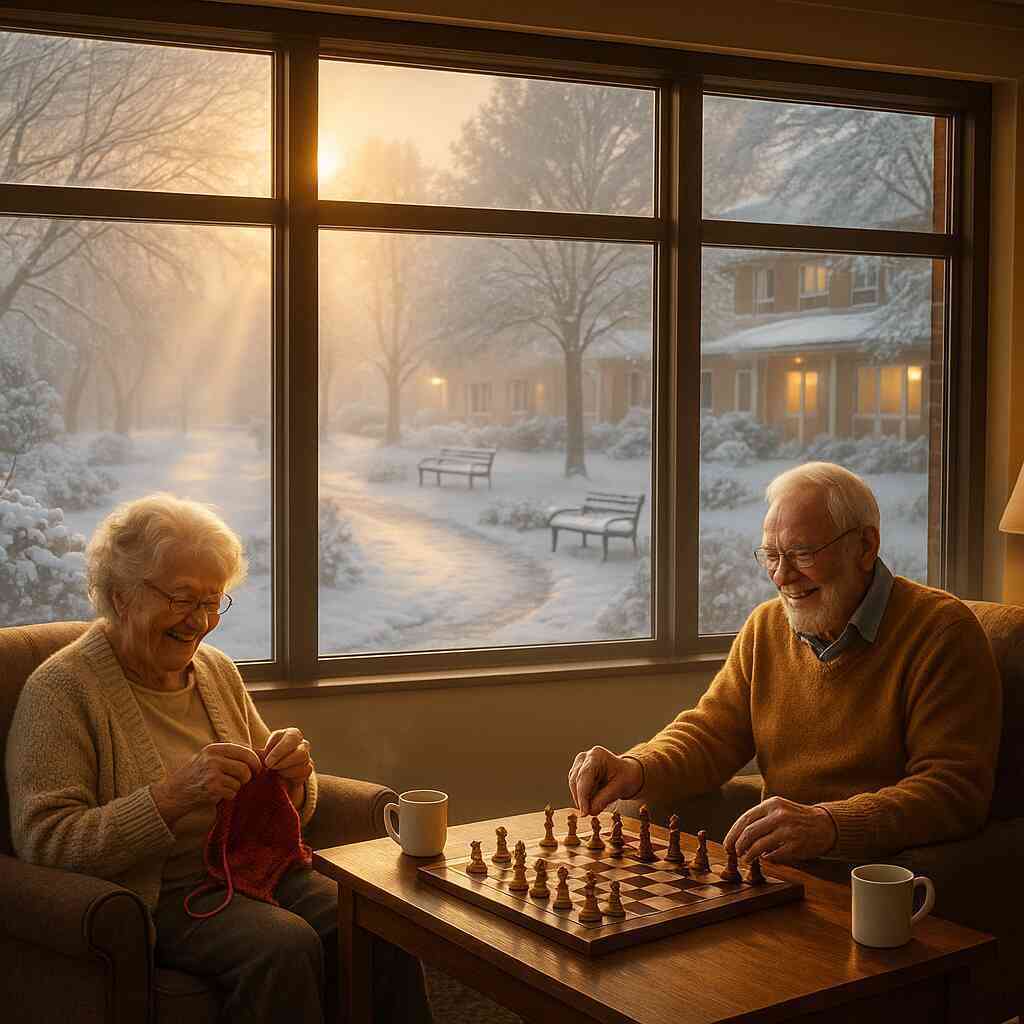
Winter Health Preparedness in Senior Living Facilities
Senior living facilities face a concentrated set of health challenges every winter season. From flu outbreaks to dangerous falls on icy surfaces, the risks are real — and the best facilities prepare well before the first cold snap arrives.
This overview breaks down the core strategies that senior living communities use to protect residents throughout the winter months.
Why Winter Is a High-Risk Season for Seniors
Older adults are more vulnerable to cold weather than younger people. Their bodies regulate temperature less efficiently, and many already manage chronic conditions that winter can worsen.
Common winter health risks for seniors include:
- Hypothermia and frostbite from prolonged exposure to cold
- Flu and respiratory illness, which peak during winter months
- Falls on icy or wet surfaces, a leading cause of injury in older adults
- Worsening of arthritis, heart disease, and circulatory issues due to temperature drops
- Seasonal depression and social isolation, which can affect mental health
Understanding these risks is the first step. Acting on that understanding is what separates well-prepared facilities from those that simply react when problems arise.
Building a Comprehensive Winter Health Plan
Strong winter preparation starts with planning — not improvisation. Senior living facilities that handle winter well tend to develop formal protocols that address both physical safety and resident wellness.
A solid winter health plan typically includes:
- Staff training and readiness reviews before the season begins
- Stocked emergency supplies, including medications, first aid materials, and backup heating resources
- Updated individual care plans that reflect each resident's specific health needs during winter
- Communication protocols for keeping families informed during weather events or health alerts
Facilities also conduct facility-wide assessments to identify weak points — drafty windows, aging heating systems, or poorly lit walkways — and address them proactively.
Flu Prevention: Vaccines and Daily Hygiene Practices
Flu prevention is one of the most critical pieces of winter health management in senior communities. Influenza spreads quickly in shared living spaces, and older adults face higher rates of serious complications.
Vaccination is the foundation. Leading facilities ensure that all residents and staff receive flu shots before the season peaks. But vaccination alone is not enough.
Effective flu prevention also involves:
- Promoting consistent handwashing among residents and staff
- Sanitizing shared surfaces in common areas, dining rooms, and activity spaces regularly
- Monitoring residents for early symptoms and responding quickly
- Limiting unnecessary exposure during high-transmission periods
These practices work together to reduce the chance of an outbreak taking hold.
Nutrition and Immunity During Cold Months
What seniors eat during winter has a direct impact on how well their immune systems function. Facilities that prioritize nutrition during the colder months give residents a meaningful health advantage.
Key nutritional strategies include:
- Serving warm, balanced meals that support energy and comfort
- Emphasizing foods high in vitamin D and calcium to compensate for reduced sunlight and support bone health
- Including antioxidant-rich fruits and vegetables to support immune function
- Offering warm beverages and soups that provide hydration and nutritional value
Nutritional counseling and regular health screenings also help staff catch deficiencies early and adjust resident care plans accordingly.
Keeping the Physical Environment Safe
Environmental safety becomes especially important once temperatures drop. Two areas demand close attention: heating and fall prevention.
Heating Systems
Maintaining a consistent, comfortable indoor temperature protects residents from hypothermia risk. Facilities use programmable thermostats and energy-efficient heating systems to keep living spaces warm without dramatic temperature fluctuations. Routine maintenance checks before and during winter help prevent equipment failures at the worst possible time.
Fall Prevention
Icy walkways, wet entryways, and reduced daylight create dangerous conditions for seniors. Facilities address this by:
- Clearing snow and ice from all outdoor pathways promptly
- Installing non-slip flooring and mats in high-traffic indoor areas
- Ensuring adequate lighting throughout the facility, including at night
- Encouraging residents to wear appropriate footwear with good traction
- Reviewing individual mobility plans to identify residents who may need extra support
Mental and Social Wellness in Winter
Physical safety is essential, but mental health matters just as much. Winter can bring increased isolation and seasonal mood changes for many seniors.
Thoughtful facilities counteract this by maintaining engaging indoor activity programs, encouraging social interaction, and creating warm communal spaces where residents want to spend time. Wellness programs that incorporate gentle movement — such as chair yoga or stretching — support both physical and emotional health during the colder months.
Final Thoughts
Winter health challenges are predictable, and that predictability is an advantage. Senior living facilities that invest in preparation — across nutrition, safety, immunity, and mental wellness — are far better positioned to keep residents healthy and comfortable through even the harshest months.
For families evaluating senior living options, asking how a facility approaches winter preparedness is one of the most practical and revealing questions you can raise.
How Senior Living Facilities Prepare for Winter Health Challenges


Comments
Post a Comment