2026 Guide to the Best Pet-Friendly Senior Living Communities
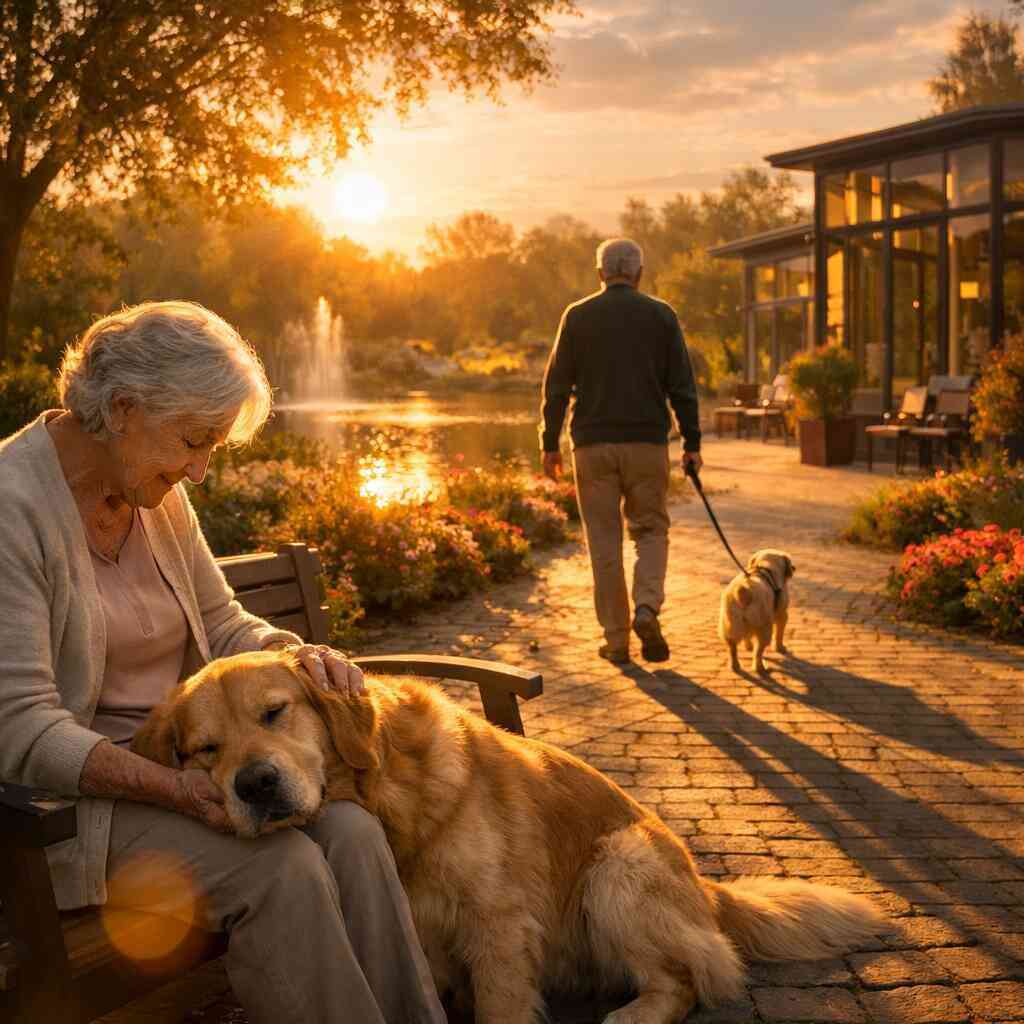
The search for a senior living community has changed dramatically, especially for older adults who refuse to part with a beloved cat, dog, or other companion. The best pet-friendly senior living communities in 2026 are not simply places that allow animals. They are places built around the idea that human health and animal companionship belong together. This guide walks through what that shift really looks like, from redesigned buildings to rewritten agreements that treat pets as family members.
Redefining senior living as a multispecies sanctuary
Today’s leading communities operate as multispecies sanctuaries rather than single-species care centers. This means pets are not an afterthought tucked into a corner. They are woven into the daily rhythm of life. Common areas now feature indoor walking paths lined with nonslip flooring, pet relief stations just steps from apartment doors, and shaded green spaces where residents sit with dogs at their feet. The architecture itself signals that animals belong here.
Staff training reflects this new reality. Team members learn animal behavior basics, how to spot signs of stress in a pet, and what to do during a fire alarm or medical emergency when a resident has a dog or cat in the room. Activity calendars regularly include events designed for humans and animals together – morning wag-and-walk clubs, catio social hours for indoor cats, and intergenerational programs where local schoolchildren read to shelter animals on campus. These shared moments do more than entertain. They build a genuine sense of neighborhood.
For residents who move in without a pet, community animals often fill the gap. Therapy dogs, resident cats in common lounges, and even small aviaries create opportunities to connect. Families touring communities now ask about pet policies before they ask about medication management, because they understand how deeply an animal can anchor a person’s emotional health.
The leap from pet-friendly to pet-inclusive
A subtle word change marks a massive shift. Pet-friendly used to mean a grudging tolerance. A pet deposit, weight limits, breed restrictions, and constant reminders that the animal was a privilege that could be revoked. Pet-inclusive means something entirely different. It means the community was designed with the expectation that many residents will arrive with a dog, cat, or small pet, and it plans accordingly.
Assisted living plans now routinely account for pet care needs. When a resident has a medical appointment or a short hospital stay, the care team coordinates with veterinary partners or designated pet helpers so the animal is fed, walked, and comforted. Some communities include basic pet-sitting in the monthly service package. This integrated approach removes the terrifying choice between accepting needed care and keeping a companion animal.
Financial models have shifted too. Instead of punishing pet deposits that can feel adversarial, many communities fold a modest pet fee into the regular monthly charge. The transparency normalizes pet ownership and reduces friction. Grief support has also expanded. When a pet passes away, residents have access to the same compassionate counselors who help with other losses. Pet memorial boards or small garden dedications offer tangible ways to honor that bond. This is not a marketing gimmick. It is a direct recognition that pets are family.
A new social contract between residents and their community
The shift to pet-inclusive living demands a clear set of expectations, and the best communities have put them in writing. Updated residency agreements acknowledge pets as household members. They spell out a resident’s right to keep a well-behaved companion without hidden barriers. Service animals and emotional support animals receive full accommodation, with staff trained on the legal distinctions so no resident feels interrogated about a legitimate need.
These agreements also ask something of pet owners. Residents must keep animals under control in shared spaces, clean up waste promptly, and respect neighbors who may feel uneasy around certain animals. To make that easy, thoughtful communities provide the infrastructure: multiple waste bag dispensers, securely fenced off-leash areas, and clearly marked quiet zones. Mediation processes exist to work through any friction before it escalates, always with the goal of keeping both human and animal in the community.
The social contract goes beyond rules. In practice, neighbors form informal pet-sitting cooperatives. When someone is hospitalized, a fellow resident might offer to walk a dog or feed a bird. These small acts knit people together. The result is an environment where people watch out for each other's pets and, in doing so, watch out for each other. This mutual support system exemplifies what the best senior living communities aim for: a life where care is shared, and no one feels alone.
What to look for when choosing a pet-inclusive community
If you or a family member are exploring options, a few practical points can guide your visits. Keep an eye out for the features that signal genuine inclusion rather than surface-level marketing.
- Accessible outdoor spaces: Look for level paths, plenty of seating near pet areas, and good lighting for evening walks.
- On-site pet relief zones: These should be close to residential wings, well-maintained, and covered if possible.
- Veterinary relationships: Ask whether the community has a partnership with a mobile vet or offers routine wellness clinics on site.
- Written pet policies: Read the actual policy language. Clear terms around size limits, number of pets, and care support during illness tell you a lot.
- Pet-related activities: A calendar with weekly dog walks, pet-themed socials, or training workshops shows animals are part of the culture.
- Staff attitude: During a tour, notice how team members interact with resident animals. Do they greet them by name? That warmth is telling.
- Emergency planning: Ask what happens to a pet during a power outage, evacuation, or resident medical emergency. A confident, detailed answer is a good sign.
A future built around companionship
The best pet-friendly senior living communities in 2026 are leading a quiet but profound transformation. They are proving that aging well does not require giving up the creatures that make life full. By reimagining buildings, care plans, and community rules, these communities give older adults permission to keep their families whole. When a resident can age in place alongside a cat curled on the sofa or a dog eager for the morning walk, the benefits extend far beyond companionship. They touch everything from blood pressure to a sense of purpose. As more families demand this kind of living arrangement, the model will only grow stronger.
Best Pet Friendly Senior Living Communities in 2026


Comments
Post a Comment