Essential Spring Safety Guide for Senior Living in 2026
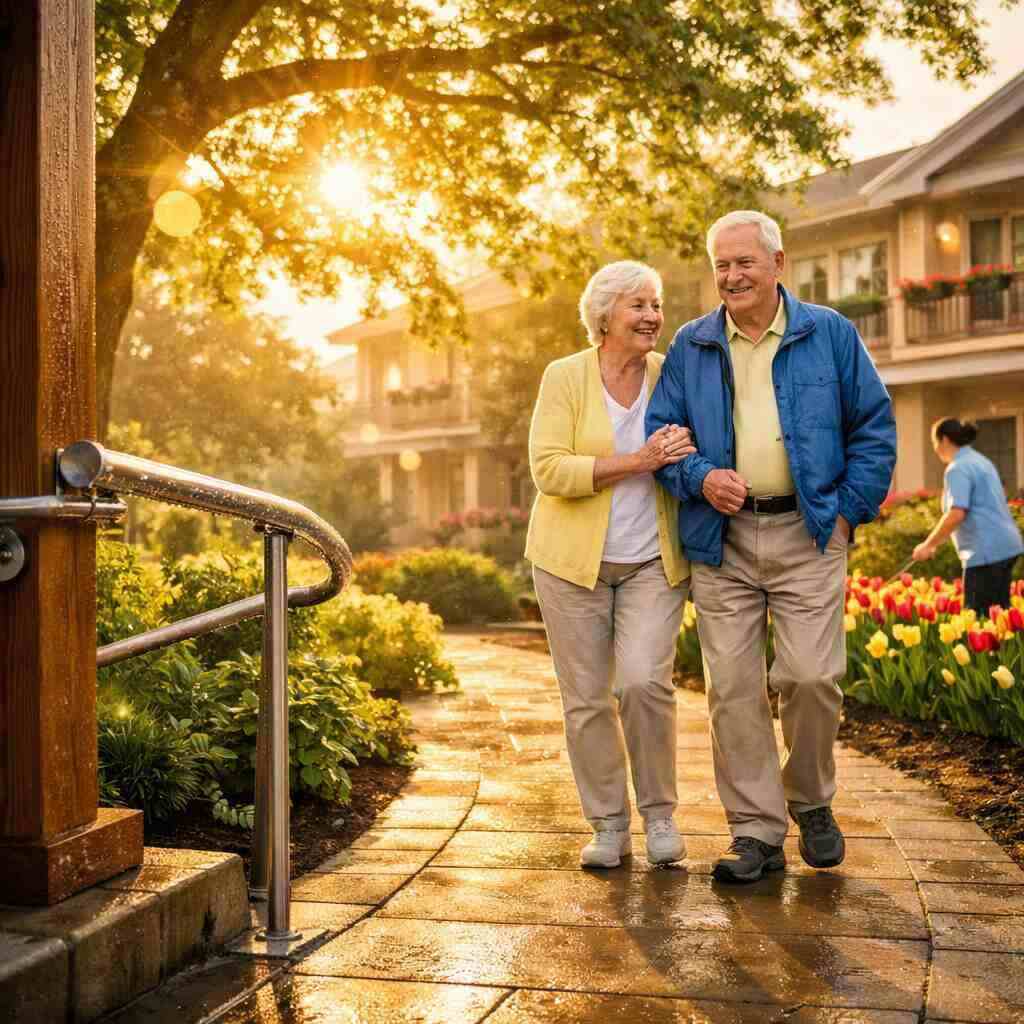
Spring 2026 brings a welcome change in seasons, but it also introduces specific safety considerations for older adults. This guide provides a proactive framework for senior well-being, focusing on practical strategies to navigate the seasonal shift safely and confidently. Embracing these tips can transform potential hazards into opportunities for a vibrant and secure spring.
Understanding Spring's Unique Safety Challenges for Seniors
The intersection of spring and senior safety is defined by dynamic environmental and physiological shifts. Thawing ground creates slippery surfaces, while blooming plants trigger seasonal allergies. Increased outdoor activity elevates exposure to sun and variable weather. This season also encourages more social engagement, which must be balanced with continued health vigilance. Understanding these interconnected factors is the first step toward effective seasonal safety. This knowledge empowers individuals and families to navigate spring with confidence.
A Holistic Approach to Seasonal Safety
A holistic approach integrates physical, environmental, and emotional well-being into a single cohesive strategy. This method moves beyond isolated tips to create a synergistic safety net. It considers how home maintenance, mobility, health protocols, and mental wellness interact. For instance, securing a home's exterior directly supports fall prevention, while managing allergies improves overall energy for activities. Adopting this comprehensive view ensures safety measures enhance the experience of spring's renewal.
How Communities Support Proactive Wellness
Senior living communities are designed to champion proactive wellness during seasonal changes. These environments implement structured safety protocols and community-wide plans that address spring's unique demands. Staff are trained to conduct environmental checks, organize safe group outings, and monitor residents' health for seasonal shifts. This professional oversight provides significant advantages, offering peace of mind that comes from integrated, forward-thinking support.
1. Mastering Spring Home Maintenance and Environmental Recalibration
A safe spring begins at home, making environmental recalibration a critical first step. This process involves systematically adapting living spaces to address the season's specific hazards. Proactive spring home maintenance is a cornerstone of aging in place safely, allowing older adults to enjoy their independence securely. Whether in a private residence or a community setting, these adjustments prevent accidents and promote ease of movement.
Conducting a Spring Safety Audit
Initiating a thorough spring safety audit is a powerful proactive measure. This audit should methodically examine every room and exterior area for potential hazards. Key focuses include checking for winter damage to walkways, ensuring gutters are clear to prevent water intrusion, and testing all safety alarms. This process is a fundamental aspect of spring home safety, identifying risks before they lead to incidents. Completing this audit provides a clear action plan for a safer environment.
Securing Outdoor Areas and Navigating Wet Surfaces
Navigating wet surfaces is one of the most pressing safety concerns during early spring. Melting conditions and frequent rains create persistently slippery driveways, patios, and garden paths. Address these areas by applying non-slip coatings where possible, repairing uneven pavement, and ensuring downspouts direct water away from walkways. Installing sturdy handrails at all entry points provides crucial stability. These modifications are vital for preventing slips and falls, making outdoor spaces accessible and safe for enjoyment.
Adapting Homes for Enhanced Mobility
Adapting homes for spring safety often involves simple modifications that yield significant improvements. Interior adaptations might include removing heavy winter rugs that can bunch or slide, ensuring all indoor walking paths are clear of clutter, and optimizing lighting for longer daylight hours. These steps enhance mobility and reduce the risk of indoor accidents, supporting independent living throughout the season.
2. Prioritizing Mobility and Fall Prevention Strategies
With increased activity comes a heightened need for focused fall prevention. Spring often motivates more movement, making it essential to review and reinforce safe mobility practices. This includes wearing proper, supportive footwear with non-slip soles for outdoor walks and ensuring that canes or walkers are in good working order. Being mindful of uneven terrain in parks or gardens is also crucial. A strong focus on mobility safety allows for full participation in spring's activities with greater confidence.
3. Managing Seasonal Health and Allergy Considerations
Spring's bloom can exacerbate allergies and respiratory conditions. Proactive health management is key. This may involve consulting with a healthcare provider about seasonal allergy medications before symptoms peak, keeping windows closed during high pollen counts, and using high-quality air filters indoors. Staying hydrated and maintaining a balanced diet also supports the immune system during this transitional period. Managing these health aspects ensures that seasonal changes don't compromise overall well-being.
4. Implementing Sun and Weather Safety Protocols
The spring sun can be deceptively strong. Implementing sun safety is non-negotiable. This includes applying broad-spectrum sunscreen daily, wearing wide-brimmed hats and protective clothing, and seeking shade during peak UV hours, typically between 10 a.m. and 4 p.m. Additionally, spring weather can change rapidly, so dressing in layers and having a light jacket or umbrella readily available is a smart practice. These protocols protect against sunburn and temperature-related discomfort.
5. Ensuring Hydration and Nutritional Balance
As temperatures rise, maintaining proper hydration becomes increasingly important. Older adults may not always feel thirsty, so it's helpful to establish a routine of drinking water throughout the day. Incorporating water-rich fruits and vegetables into meals also supports hydration. Nutritionally, focusing on fresh, seasonal produce can provide essential vitamins and energy for more active spring days. Proper hydration and nutrition are foundational elements of seasonal health and vitality.
6. Planning for Safe Social Engagement and Outings
Spring naturally invites more social interaction and outings. Planning these activities with safety in mind ensures they are enjoyable and stress-free. This might involve choosing venues with easy access and seating, scheduling outings during less crowded times, and ensuring transportation is reliable and comfortable. Communicating any specific needs or limitations to companions ahead of time allows everyone to prepare. Safe social planning fosters connection and mental well-being.
7. Fostering Mental and Emotional Well-being
The season of renewal is an excellent time to focus on mental and emotional health. Engaging in gentle activities like gardening, sitting in a sunny spot to read, or simply observing nature can be incredibly soothing. Staying connected with family and friends, whether in person or virtually, combats feelings of isolation. Acknowledging that seasonal transitions can affect mood and taking steps to engage in uplifting activities is a vital part of a holistic safety plan.
Embracing a Secure and Joyful Spring
Spring 2026 offers a wonderful opportunity for renewal and engagement. By adopting a proactive and layered approach to safety—encompassing the home environment, personal health, mobility, and social planning—older adults can fully embrace the season's joys. The goal is not to limit activity, but to create a framework of sensible precautions that enable freedom and confidence. This guide provides a roadmap for a spring that is both safe and richly rewarding, allowing the focus to remain on the beauty and promise of the new season.
Top 7 Spring 2026 Safety Tips For Senior Living


Comments
Post a Comment