Senior Housing in 2026: How Living Options Are Changing Nationwide
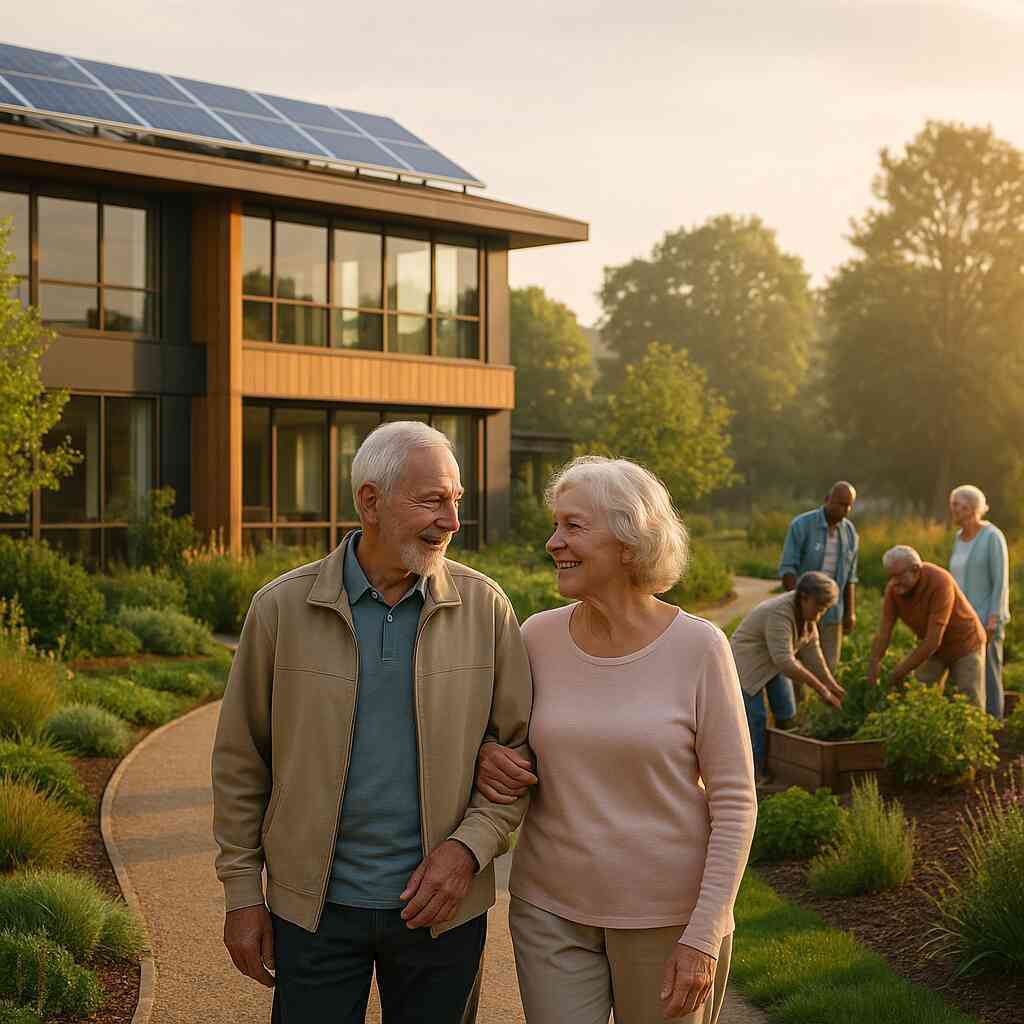
Senior Housing in 2026: How Living Options Are Changing Nationwide
Senior housing across the United States has undergone a remarkable transformation, moving well beyond the traditional nursing home model into a diverse landscape of modern, personalized, and technology-forward communities. Understanding these changes can help families and older adults make more informed decisions about long-term living arrangements.
A Clear Shift in What Seniors Expect
Today's seniors are not the same demographic that previous generations imagined. Many are healthier, more tech-savvy, and far more selective about where and how they live. The demand for one-size-fits-all care facilities has declined sharply. In its place, communities are being designed around individual preferences, lifestyle goals, and specific health needs.
This means senior housing providers have had to rethink everything — from floor plans and amenities to staffing models and healthcare delivery. The result is a richer, more varied market with options suited to a much wider range of people.
Personalization Is Now a Standard Expectation
One of the most significant trends shaping senior living right now is personalization. Communities are developing customized care plans that go beyond physical health to address mental wellness, social engagement, and personal interests.
Residents may have input in how their living spaces are arranged, what services they receive, and how their daily schedules are structured. This shift toward resident-centered models has shown real benefits in quality of life and overall satisfaction.
Smart Home Technology Is Raising the Bar
Technology has become deeply embedded in senior housing design. Communities are integrating tools such as:
- Voice-activated assistants that help with reminders, communication, and entertainment
- Automated lighting and temperature controls that adapt to individual routines
- Wearable health monitors that track vitals and alert staff to potential issues
- Telehealth platforms that connect residents with physicians without requiring travel
These features do more than add convenience. They give residents a greater sense of independence and give families peace of mind. Safety monitoring systems have become especially sophisticated, reducing response times during emergencies and supporting aging in place for longer.
Sustainability Is Becoming a Core Value
Eco-friendly design is no longer a niche feature — it is quickly becoming an expectation. Senior communities are incorporating renewable energy systems, water-efficient landscaping, and sustainably sourced building materials. These choices benefit both residents and the broader environment.
Healthier indoor air quality, reduced utility costs, and greener surroundings contribute to a more comfortable and conscientious living experience. Many residents actively prefer communities that reflect their own values around environmental responsibility.
Intergenerational Living Is Growing in Popularity
One of the more creative developments in senior housing is the rise of intergenerational communities. These are spaces where seniors and younger residents — including families or college students — share common areas and participate in communal activities.
The benefits run both ways. Seniors gain social stimulation and a stronger sense of purpose. Younger residents benefit from mentorship, life experience, and often reduced housing costs. These communities help combat isolation, which remains one of the most pressing concerns in senior care.
Design Innovations Are Improving Daily Life
Architects and interior designers working in senior housing are applying new thinking to how spaces are built. Key design priorities in 2026 include:
- Wider hallways and doorways to support mobility aids without feeling institutional
- Abundant natural lighting to support mood and circadian health
- Outdoor spaces and walking paths that encourage physical activity
- Flexible floor plans that can be adjusted as a resident's needs change over time
These are not just aesthetic choices. They reflect a deeper understanding of how the physical environment affects health, independence, and emotional well-being.
Urban and Rural Options Are Both Expanding
Senior housing growth is happening in both cities and rural areas, though the approaches differ. Urban senior communities often emphasize walkability, access to transit, cultural programming, and proximity to medical centers. They appeal to seniors who want to stay connected to city life.
Rural senior housing solutions, on the other hand, are addressing longstanding access challenges. Telehealth, mobile health services, and regional care networks are helping bridge gaps in areas where in-person resources have historically been limited.
What This Means Going Forward
The senior housing landscape in 2026 reflects a broader cultural shift — one that treats older adults as active participants in shaping their own lives rather than passive recipients of care. Whether someone is looking for an urban high-rise community, a sustainable suburban campus, or a rural cooperative living arrangement, the options are more thoughtful and varied than ever before.
For families navigating these choices, taking time to understand the full range of available models can lead to far better outcomes — and a much better quality of life for the people who matter most.
How Senior Housing Options Have Evolved Across the US in 2026


Comments
Post a Comment