7 Essential Features of Quality Memory Care in 2026
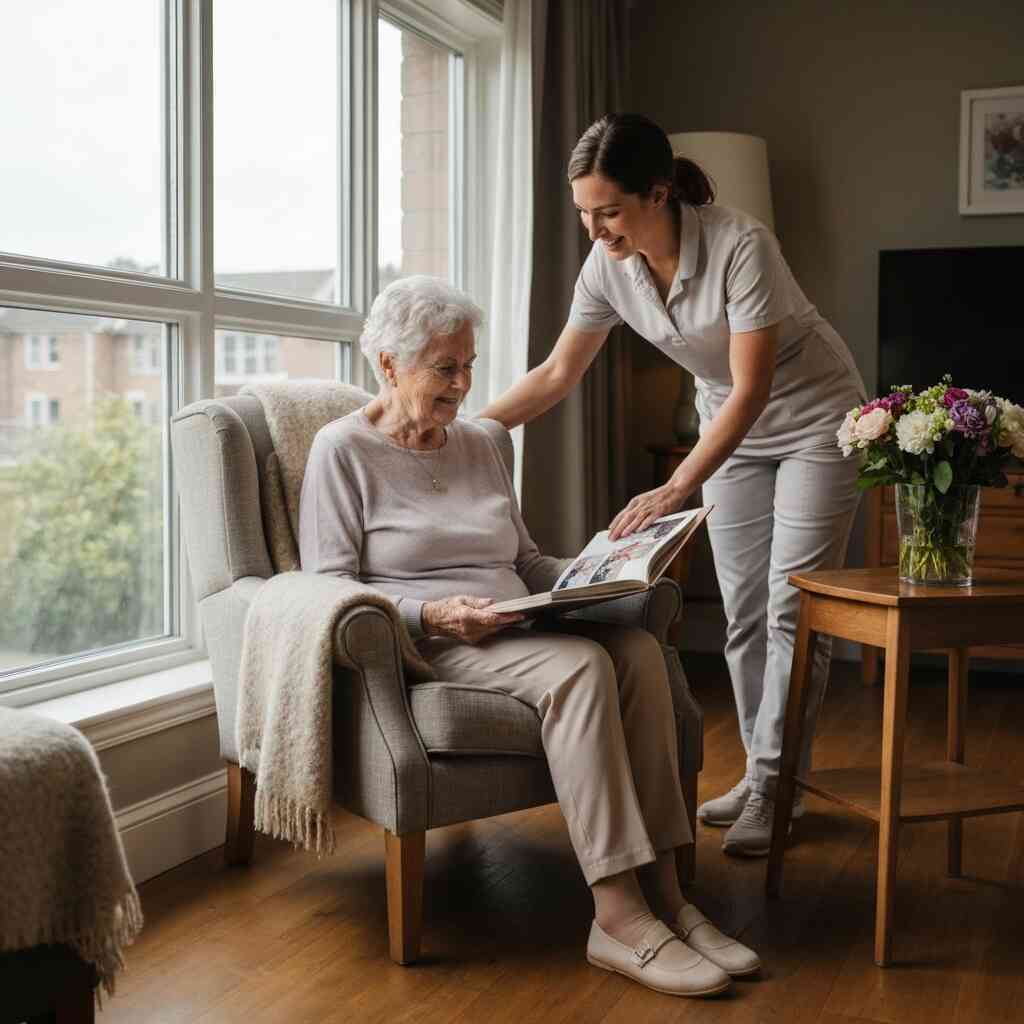
Finding the right memory care community for a loved one is a journey that requires careful consideration. When memory loss impacts your family, safety and dignity become the primary focus. Modern senior living communities have evolved to provide high-level support that balances clinical needs with a warm, homelike environment. This guide outlines seven essential features that define high-quality memory care in 2026 to help you navigate these important choices.
1. Specialized Cognitive Support and Wellness
Cognitive support today goes far beyond simple supervision. Best-in-class facilities prioritize proactive engagement that respects an individual’s personal history. By utilizing evidence-based practices, teams help residents maintain their highest possible level of function.
- Evidence-Based Routines: Caregivers are trained in techniques like validation therapy, which focuses on acknowledging a resident's reality. This reduces anxiety and creates a calm, predictable daily rhythm.
- Neurological Wellness: Programs incorporate brain-healthy activities, such as music therapy and structured reminiscence sessions, which stimulate neural pathways and help preserve a sense of self.
- Personalized Care Plans: Every resident receives a plan tailored to their unique medical history and interests. These blueprints are updated regularly to ensure support evolves alongside the individual’s needs.
2. Secure Environments with Modern Safety Technology
Safety is a top priority for families, especially regarding the risk of wandering. Modern memory care units are designed to be secure without feeling restrictive. Through thoughtful architecture and unobtrusive technology, residents gain the freedom to move safely.
- Balanced Design: Communities often include secure courtyards and open common areas. This allows residents to maintain their independence and physical health while remaining within a protected perimeter.
- Advanced Monitoring: Discreet sensor systems, often integrated into wearable technology like wristbands, alert staff immediately if a resident enters an restricted area or exits a doorway. This allows for a swift response while maintaining a dignified, home-like atmosphere.
3. Specialized Staff Training and High Ratios
Caregiving for those with Alzheimer's or dementia requires specific expertise. High-quality facilities invest heavily in ongoing education for their team members.
- Understanding Dementia: Staff training typically includes deep dives into the nuances of different types of dementia. This ensures that caregivers understand the 'why' behind certain behaviors.
- Lower Staff-to-Resident Ratios: Higher staffing levels allow for more frequent, meaningful interactions. When caregivers have more time, they can provide personalized attention, reducing stress for the resident.
4. Therapeutic Environment and Sensory Design
The physical space plays a significant role in how comfortable a resident feels. Many modern facilities utilize design principles that reduce overstimulation and increase accessibility.
- Color and Contrast: Using high-contrast colors for doorways or bathrooms helps residents with visual-spatial difficulties navigate their surroundings more easily.
- Lighting and Acoustics: Soft, natural lighting and reduced noise levels are common in well-planned memory care areas. These elements minimize the confusion and agitation often caused by bright, flashing, or loud environments.
5. Structured Daily Life and Meaningful Engagement
Boredom or lack of purpose can significantly affect emotional well-being. A structured calendar of activities is vital for maintaining a resident's daily engagement.
- Activity Programming: This includes group activities that encourage social connection, as well as one-on-one sessions that focus on an individual's past hobbies or professional background.
- Rhythm of the Day: Establishing a predictable schedule for meals, exercise, and rest helps anchor residents throughout the day, providing a sense of stability and security.
6. Nutritious Dining Programs
Nutrition is a cornerstone of overall health, yet mealtime can sometimes become challenging for those with cognitive impairment. Effective memory care facilities provide dining programs that make eating easier and more enjoyable.
- Simplified Menus: Facilities often offer easy-to-eat options and finger foods to maintain the dignity of residents who may have difficulty with cutlery.
- Sensory Dining: Creating a quiet, calm dining room environment helps residents focus on their meal, improving caloric intake and overall wellness.
7. Family Support and Communication
Choosing a facility is a decision for the whole family, not just the resident. The best communities view families as partners in care.
- Regular Updates: Proactive communication about a loved one's progress and daily experiences helps families stay involved even from afar.
- Family Education: Many facilities provide support groups and educational sessions to help family members understand the progression of dementia and how to best support their loved one during visits.
By focusing on these seven pillars, you can better identify a environment where your loved one can continue to live with joy, security, and the respect they deserve.
Top 7 Memory Care Features at Senior Living Facilities


Comments
Post a Comment