Boosting Senior Social Health Through Living Communities
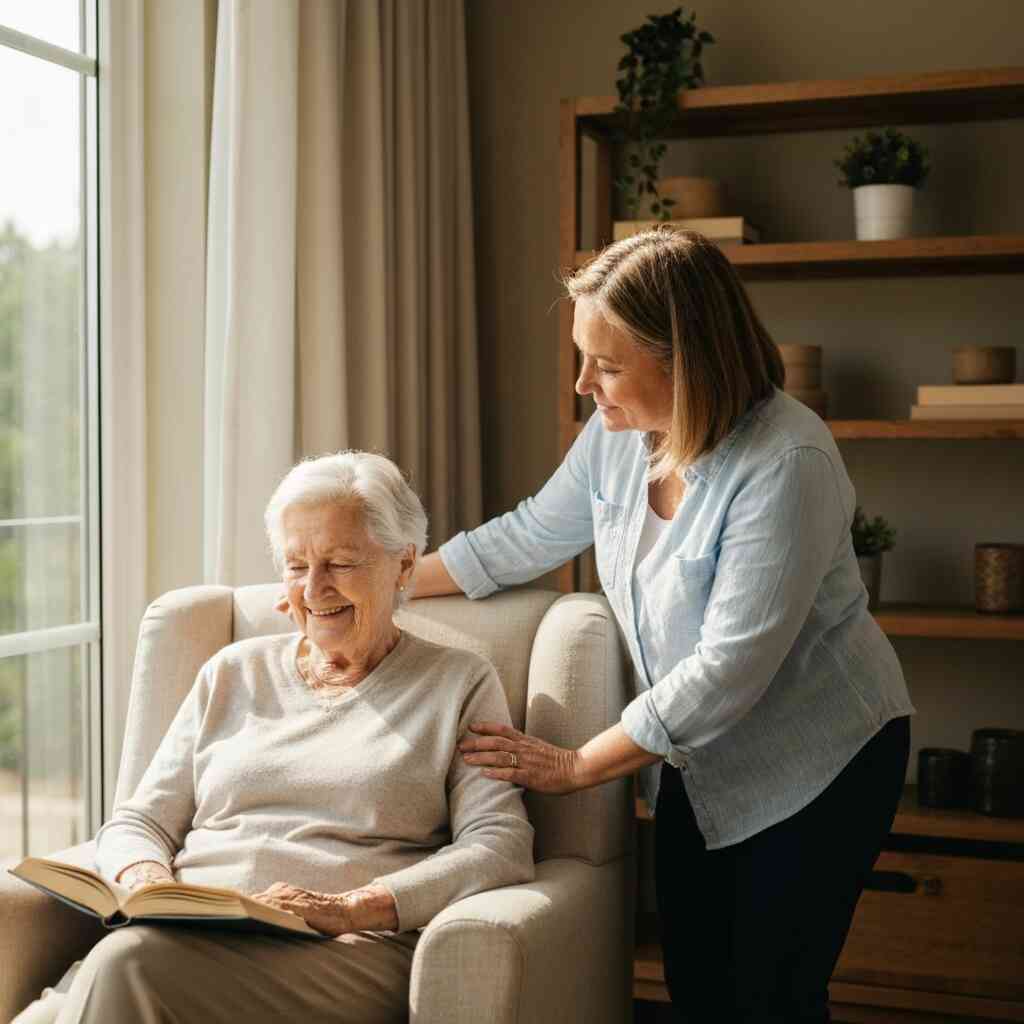
Watching a parent withdraw from daily life is a difficult experience for any family. You may notice their enthusiasm for hobbies fading or their conversations becoming sparse. These shifts are often indicators of social isolation, which can significantly impact an older adult's overall well-being. Transitioning to a dedicated senior living community offers a proactive way to restore connection and vitality. This guide explores how these environments foster social health and why a community-focused lifestyle is a powerful tool for aging well in 2026.
Identifying the Early Signs of Withdrawal
Recognizing when a loved one is struggling is the first step toward improving their quality of life. Loneliness often manifests in subtle ways that families might initially overlook. For instance, you might notice that a parent has stopped engaging in regular calls with friends or has abandoned interests they once cherished. Other signs include a lack of motivation to maintain their living space, changes in nutritional habits, or a persistent sense of lethargy during your visits.
Sometimes, seniors may explicitly share feelings of loneliness, but often, they are too proud to express these needs directly. If your loved one’s daily routine feels repetitive and lacks variety, they may be caught in a cycle of isolation. Viewing these cues as signals of social hunger rather than just natural aging allows you to advocate for a change that brings much-needed light back into their life.
Why Loneliness Affects Physical and Mental Vitality
Isolation is not merely a social issue; it has tangible biological consequences. Research has shown that chronic loneliness can be just as damaging to health as other significant risk factors. Without daily intellectual and social stimulation, the mind may lose the sharpness gained from regular conversation and shared experiences. Furthermore, isolation often masks or exacerbates underlying anxiety and depression.
When seniors live in a community, the presence of others acts as a buffer against these stressors. Social interaction is a natural trigger for brain chemistry that promotes feelings of security and contentment. By residing in an environment where companionship is readily available, older adults are better positioned to maintain their cognitive and emotional health. This support system provides a sense of safety that is often missing when living alone.
The Benefits of Shifting to a 55 Plus Community
Many seniors feel a strong desire to age in place, but they often underestimate the physical and logistical hurdles involved in maintaining a vibrant social life. As driving becomes more challenging or mobility concerns arise, the distance between them and their social circle can feel insurmountable. Modern senior living communities are designed specifically to dismantle these barriers.
These residential environments offer more than just a home; they provide a structure built for interaction. From shared dining rooms that encourage conversation to on-site transportation for group outings, every element is curated to minimize isolation. When living among peers at a similar life stage, residents often find it much easier to build new, meaningful friendships. This shift replaces the isolation of a quiet house with the warmth and purpose of a thriving, inclusive community.
Five Pillars of Connection in Modern Facilities
When evaluating different environments, look for facilities that treat social health as a primary pillar of their programming. A high-quality community uses intentional design to ensure no one remains on the sidelines.
- Structured Engagement: Activity directors focus on matching residents based on shared interests and backgrounds, helping to form genuine bonds through small group settings.
- Communal Dining Experiences: Meals serve as the heartbeat of the community, providing a consistent, low-pressure way for residents to gather and interact daily.
- Accessible Programming: Facilities offer a variety of events, ranging from fitness classes to intellectual workshops, ensuring there is always an opportunity to learn or stay active alongside peers.
- Safe and Inviting Spaces: Common areas are designed to encourage lingering and conversation, acting as natural hubs for social development.
- Peer Support Networks: Living alongside others who understand the unique transitions of the later years fosters an environment of empathy and shared experience.
Prioritizing Connection for a Better Future
Choosing a senior living community is ultimately about choosing to prioritize your loved one’s social well-being. By moving away from the static, often isolating environment of a long-term home, seniors gain the opportunity to reconnect with their passions and build new relationships. This change can be transformative, moving them from a cycle of quiet reflection to a life of daily participation. If you are observing the early signs of withdrawal in a parent, explore how these professional communities might serve as a positive bridge to a more connected, healthy, and purposeful chapter.
Five Ways Senior Living Facilities Improve Social Health


Comments
Post a Comment