Supporting Your Loved One's Transition to Senior Living
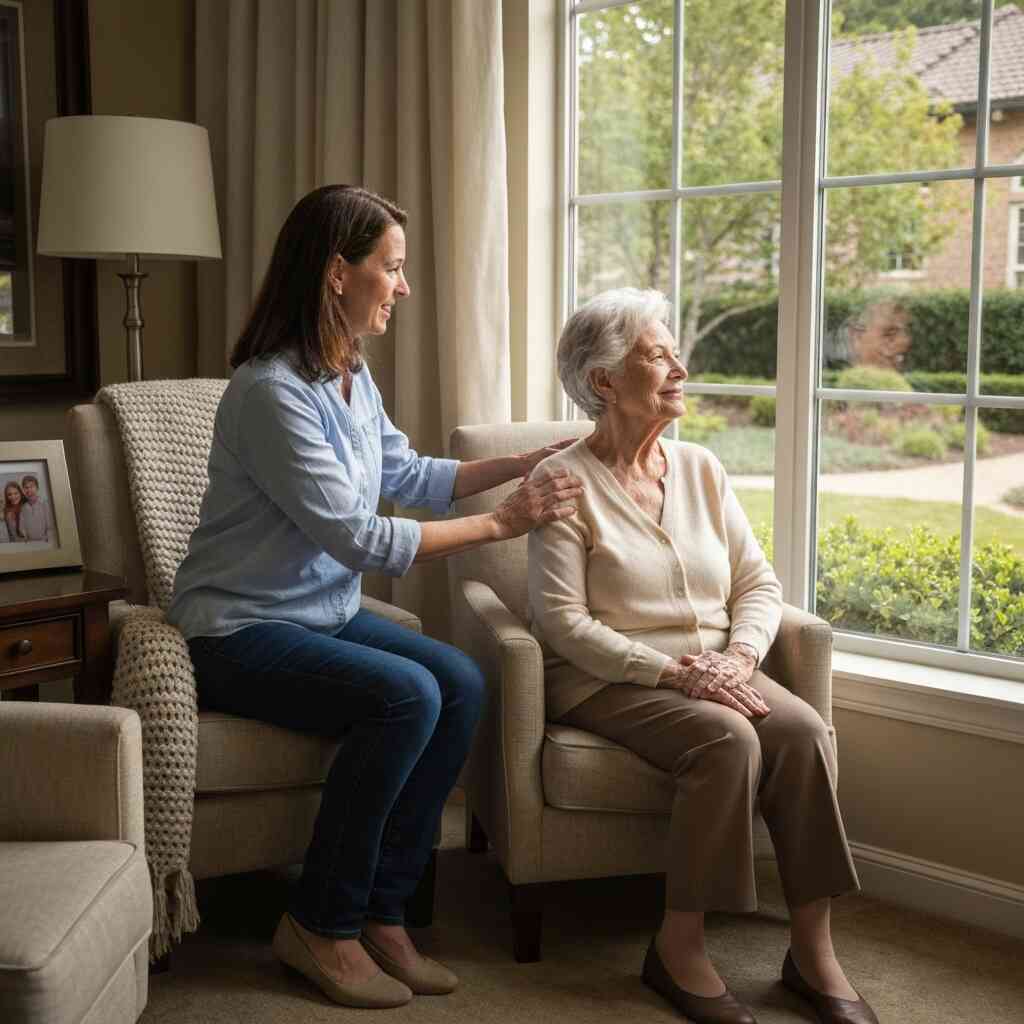
Moving into a senior living facility during Memorial Day weekend is a significant life event that often carries a mix of nostalgia and uncertainty. This period of reflection naturally heightens emotions for older adults who may be leaving behind a long-term family home. Providing compassionate support during this transition can help your parent view their move as a positive new milestone rather than a loss.
Honoring Memories While Embracing Change
It is common for seniors to associate their family home with a lifetime of memories. When they prepare to move, they may worry that letting go of the physical house means losing those connections to the past. The most important step you can take is to validate these feelings. Avoid the urge to quickly dismiss their sadness by focusing only on the benefits of the new living arrangement. Instead, sit with them in their grief. Listening to their stories and acknowledging their apprehension creates the emotional security they need to begin looking toward the future.
As you navigate the move, focus on the power of new rituals. Transitioning during a season marked by holiday gatherings offers a unique chance to ground your loved one in their new environment. Encourage them to explore the landscaped grounds or the common areas of their new community. Many modern senior living facilities provide beautiful outdoor spaces designed for quiet reflection. Spending time in these settings can help your loved one feel connected to the present moment, gradually replacing the old home's familiarity with new, peaceful routines.
Reframing the Memorial Day Experience
Memorial Day presents an excellent opportunity to focus on community and gratitude. Rather than dwelling on the move itself, help your loved one participate in the activities offered by their new residence. Many facilities host commemorative ceremonies or moments of appreciation for veterans. Engaging in these events allows your parent to connect with neighbors who share similar life experiences and values. Reframing the day as an occasion for community connection helps shift the perspective from what was left behind to the social opportunities that lie ahead.
Understanding the Levels of Senior Care
When evaluating housing options, it is helpful to understand the range of care available. Identifying your loved one's specific needs—such as assistance with medication management, personal grooming, or mobility support—will clarify which facility type is most appropriate. Some seniors thrive in independent living, which offers a maintenance-free lifestyle with the freedom to remain active. Others may benefit from assisted living, which provides a balance of personalized care and independence.
For those with more complex medical needs, skilled nursing facilities provide 24-hour supervision and clinical care. If you are uncertain about the right level of care, start by assessing your loved one's daily challenges and consulting with medical professionals. Comparing the benefits of different communities is essential; visiting them in person allows you to gauge the social atmosphere and staff interaction, which are critical indicators of quality.
Practical Strategies for a Successful Move
Moving involves a significant amount of logistics, particularly when downsizing from a family home to a smaller space. The best approach is to break the process into small, manageable chunks to prevent emotional or physical burnout. Focus on prioritizing items that serve a dual purpose: they must provide both functional utility and emotional comfort.
Personalizing their new space is the most effective way to foster a sense of belonging. Bring along their most cherished photographs, a favorite armchair, or meaningful decorations that represent their life and personality. When their new room feels like a reflection of who they are, the transition becomes significantly easier. A space filled with familiar objects provides a sense of continuity that helps mitigate the stress of changing surroundings.
Evaluating Quality and Safety
As you narrow down your choices, consider the standards of safety and care. Researching how facilities are rated for quality can provide peace of mind for both you and your loved one. Look for information on safety standards, staff ratios, and community engagement initiatives. These details are vital for ensuring that your parent is in an environment where they can safely flourish.
Ultimately, the transition to a senior living community is a process rather than a single event. By remaining patient and focusing on connection, you can provide the support your loved one needs to navigate this season of change. Through careful planning and a commitment to maintaining their dignity and comfort, you can help them embrace this new chapter with grace.
Senior Living Facilities Tips for Memorial Day Transitions


Comments
Post a Comment