Understanding Assisted Living: A Guide for Families in 2026
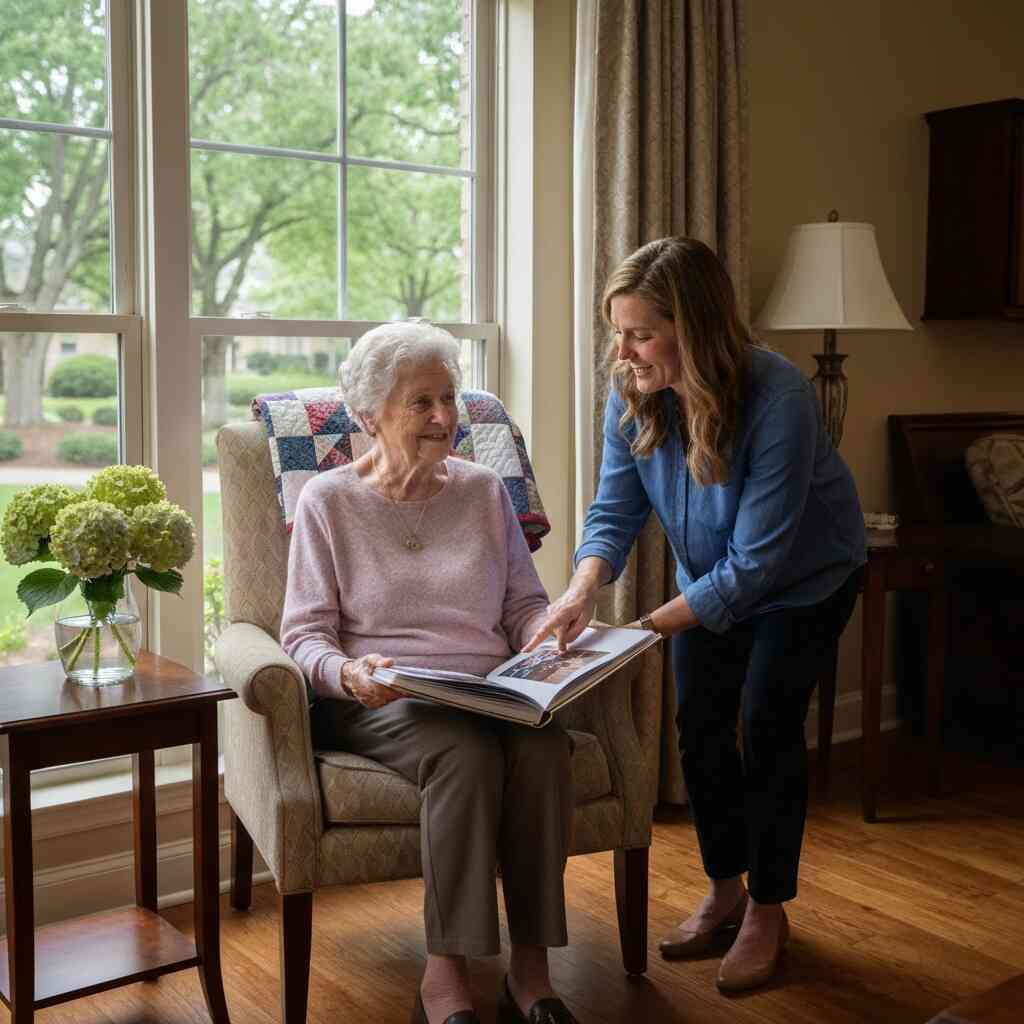
Navigating the transition to a senior living facility is a significant life milestone that requires careful thought, empathy, and proactive planning. While the prospect of moving can feel overwhelming, early preparation often leads to better health outcomes and a smoother transition for your loved ones. This overview helps clarify the different levels of care available and how to assess what truly matters when evaluating community options in 2026.
Recognizing When Support is Needed
The decision to move rarely happens overnight. Often, it follows a series of small, observable changes in a loved one's daily life. Aging in place is a wonderful goal, but it becomes difficult when health conditions evolve. Keep an eye out for warning signs that safety is being compromised. These might include uncharacteristic slips in personal hygiene, a sudden accumulation of unopened mail, or neglected household chores.
Frequent medication errors are another major red flag that indicates it is time to seek professional input. Physical mobility, in particular, should be monitored closely. If you notice a senior struggling to navigate their home or experiencing frequent balance issues, the risk of falls becomes a primary concern. Addressing these issues early allows families to transition into a new living arrangement from a place of choice rather than a position of crisis.
Navigating the Emotional Conversations
Discussing a move is as much an emotional journey as it is a logistical one. It is natural for seniors to fear a loss of autonomy or identity. Rather than approaching this as a top-down decision, try to frame it as a collaborative search for a better quality of life. Listen to their concerns without immediate judgment.
When a senior realizes that moving into an assisted living community can actually remove the stresses of home maintenance, meal prep, and isolation, their perspective often shifts. These communities are designed to provide support, not restriction. By facilitating a more active lifestyle through social events and wellness programs, these environments often help seniors reclaim aspects of their day-to-day life that were previously difficult to manage alone.
Understanding the Spectrum of Housing
One of the most important steps in your search is distinguishing between the various levels of care available.
- Independent Living: Best suited for active seniors who want to downsize and enjoy a maintenance-free lifestyle with social amenities.
- Assisted Living: Designed for those who need daily assistance with tasks like bathing, dressing, or medication management, while still maintaining a degree of independence.
- Skilled Nursing and Long-Term Care: Necessary when a senior requires continuous medical supervision, complex clinical monitoring, or post-hospital rehabilitation.
- Memory Care: Specialized units that provide a secure environment for individuals living with Alzheimer's or other forms of dementia. These settings are uniquely equipped with safety features and staff trained in cognitive support.
Understanding these distinctions ensures you are not paying for services that are not needed, while also ensuring that essential care is never overlooked.
Financial Foundations and Planning
Financial planning is a cornerstone of this process. Costs for senior living vary significantly by state and are influenced by regional labor costs, local regulations, and the specific level of care required. When you start your search, always request a clear, itemized breakdown of what is included in the monthly fee.
Many families are surprised by the nuance in government benefits. Medicare is typically limited to short-term, post-hospital skilled nursing stays; it does not usually cover the long-term cost of residency in an assisted living facility. Medicaid, on the other hand, may offer support for low-income seniors, but eligibility criteria and state-specific waivers are complex. Consulting with a financial planner who specializes in elder care can provide much-needed clarity during this assessment phase.
Prioritizing Quality of Life
Ultimately, the goal of any move is to enhance the resident's daily experience. A good facility should feel like a home, not a clinical institution. Look for communities that prioritize social engagement, nutritious dining, and activities that align with your loved one’s personal interests. When visiting potential locations, observe the interaction between staff and residents. A welcoming atmosphere and genuine care are often the most telling indicators of a community’s culture.
By staying informed about your options and approaching the planning process with patience and clear information, you can find a setting that balances the need for support with the importance of personal fulfillment and dignity. This guide is intended to serve as a starting point as you explore the next chapter for your family.
Navigating Assisted Living Plans with Senior Living Facilities


Comments
Post a Comment