Aging in Place Strategies for Senior Living Facilities in 2026
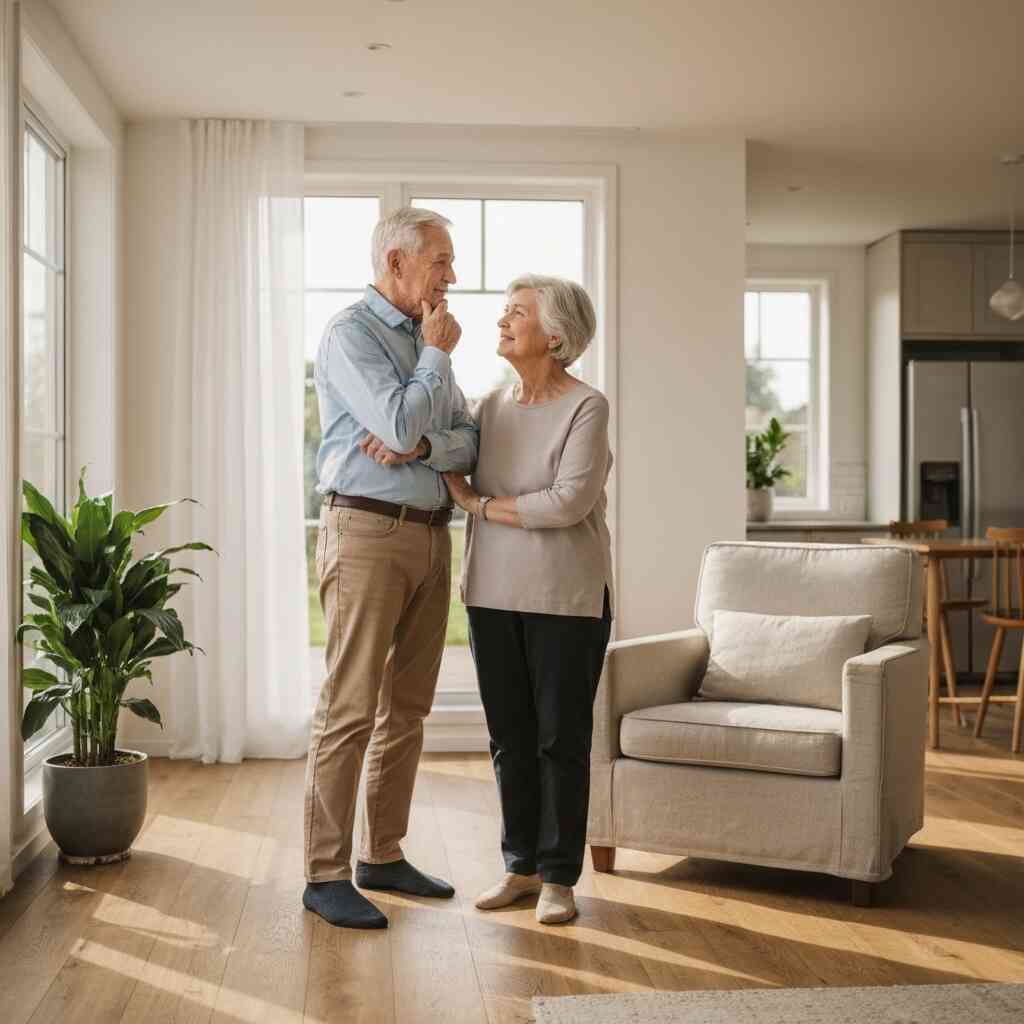
Choosing where to spend your later years is a profound decision. For many, the desire to stay in a familiar home is powerful—rooted in decades of memories and community ties. However, as physical needs change, a once-perfect house can become a source of anxiety. This guide explores practical aging in place strategies for 2026, focusing on how to modify your environment for safety, independence, and comfort.
Recognizing When Your Home No Longer Fits
Subtle signs often indicate that your living space is becoming challenging. Climbing stairs may feel more difficult. Yard work or routine maintenance can change from manageable to overwhelming. Uneven flooring, narrow hallways, or poor lighting may complicate daily movement. Assessing these challenges early is a proactive step toward maintaining well-being. Your environment directly affects your health, and acknowledging this is the foundation of any effective aging in place plan.
Balancing Emotional Attachment with Practical Needs
Leaving a home filled with a lifetime of history carries emotional weight. It is normal to feel a sense of loss at the idea of downsizing. However, staying in an unsuitable space can lead to increased stress, social isolation, or physical decline. It helps to separate the memories of a home from its actual daily functionality. Sometimes, exploring senior living options reveals opportunities for a more vibrant, supportive lifestyle that preserves your sense of purpose.
Designing a Home for Safety and Ease
Creating a safe environment requires thoughtful design. Universal design principles focus on making spaces usable for people of all ages and abilities. Even small upgrades can make a big difference.
Essential Home Safety Modifications
Simple adjustments can significantly reduce risks. Installing grab bars in bathrooms and improving lighting are top priorities. Removing area rugs and clearing clutter prevents trips and falls. Upgrading kitchen appliances to models with front-facing controls minimizes the need to reach or lean. These modifications are often manageable and can prevent serious injuries.
Smart Home Technology for Independent Living
Technology has become a powerful tool for maintaining independence. Motion sensors, automated lighting, and voice-activated systems help you manage your household with less physical effort. Medical alert systems and wearable devices provide a safety net, connecting you to help when needed. Integrating these modern tools into your home extends your ability to live confidently on your own terms.
The Value of Occupational Therapy
An occupational therapist can offer personalized recommendations for home adaptations. They assess your daily routines and suggest changes that make tasks easier and safer. This might include rearranging furniture, modifying bathroom fixtures, or recommending assistive devices. Professional guidance ensures that your home truly fits your unique needs.
Community and Social Connection
Aging in place is not just about the physical house. Maintaining social connections is crucial for mental and emotional well-being. Consider how easy it is to visit friends, attend community events, or access services from your current location. If your home is isolated, look for local senior centers, volunteer opportunities, or religious groups that keep you engaged. Some communities also offer neighborhood-based programs that support aging residents.
Planning for Changing Health Needs
Your health needs may evolve over time. It is wise to plan for potential changes, such as needing help with bathing, medication management, or meal preparation. You can hire in-home caregivers for specific hours, arrange for meal delivery services, or use mobile health monitoring. Building a support network now ensures you have resources in place before a crisis occurs.
Financial Considerations
Adapting a home for aging in place often requires investment. Compare the costs of renovations, assistive technology, and in-home care against the price of moving to a senior living facility. Some modifications may be covered by insurance or community grants. A clear financial plan helps you make a sustainable choice.
When Senior Living Facilities Offer a Better Fit
Sometimes, the safest and most supportive option is a senior living community. Modern facilities offer accessible apartments, on-site health services, dining, and social activities. They remove the burdens of home maintenance and provide a built-in community. If your current home requires extensive renovations or leaves you feeling isolated, it may be worth exploring these options as part of your long-term strategy.
Final Thoughts
Aging in place is a deeply personal goal. The right strategy combines home modifications, technology, social connection, and realistic planning. By taking proactive steps now, you can create a living environment that supports your independence, safety, and happiness for years to come.
Senior Living Facilities Aging in Place Strategies 2026


Comments
Post a Comment