Essential Senior Living Safety Standards to Know in 2026
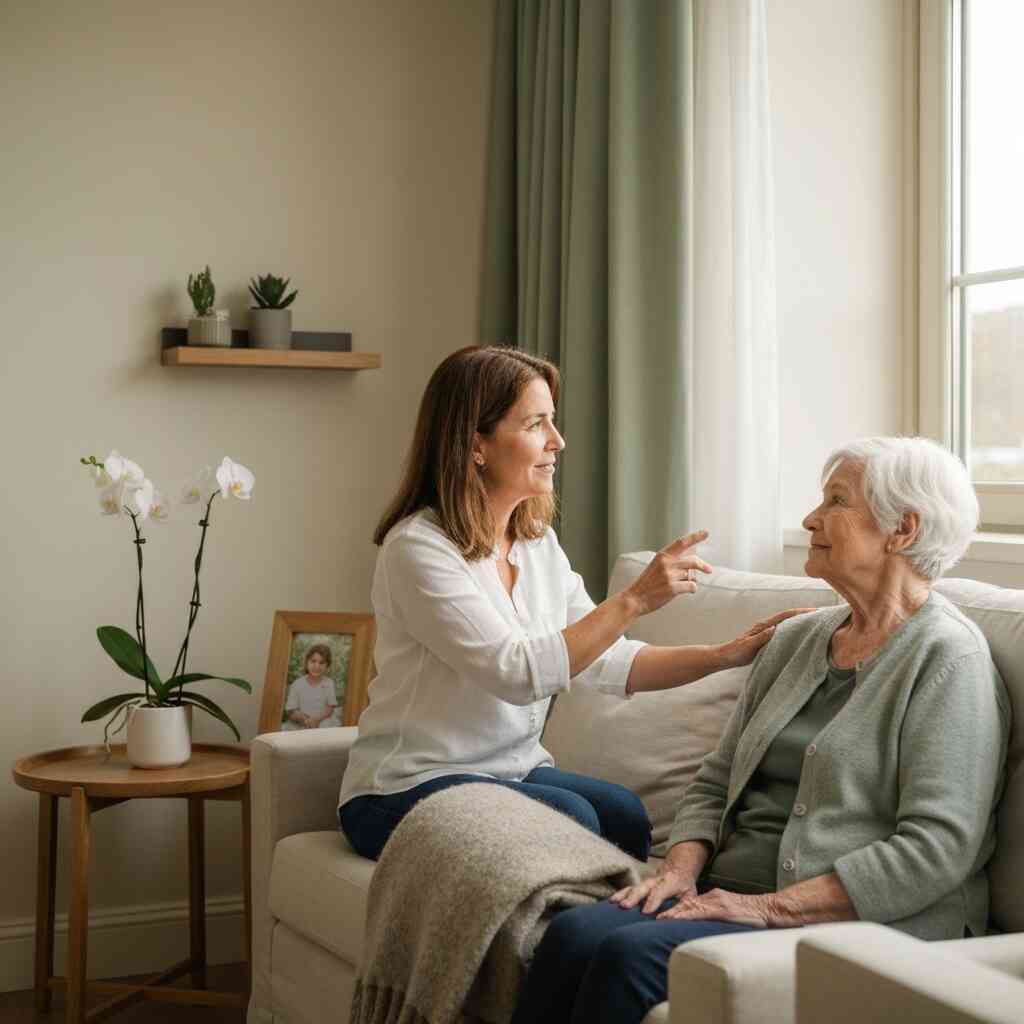
Selecting the ideal senior living community requires a careful look at safety, security, and overall wellness. As we look at the standard of elder care in 2026, families are placing a stronger emphasis on comprehensive safety protocols that protect their loved ones while preserving dignity. Transitioning a parent or spouse to a new home involves many decisions. Understanding what constitutes a secure environment can help you make an informed choice that offers long-term peace of mind.
A Proactive Culture of Care and Staff Training
True safety in a residential setting begins with the people who provide daily care. A secure community is built on a culture of active awareness where staff members are trained to identify risks before they lead to accidents. This goes beyond simple security measures like locked doors or alarm systems.
In quality senior living and independent care environments, staff training is continuous. Caregivers must be skilled in recognizing early physical or cognitive changes that might affect a resident's stability. For instance, subtle changes in mobility or increased forgetfulness require timely adjustments to a resident’s personal care plan. When evaluating a community, ask about their staff-to-resident ratios and the specific emergency response training provided to their team. A well-prepared staff ensures that help is always nearby when needed.
Building Accessibility and Design Features
Physical infrastructure plays a vital role in preventing injuries and encouraging independence. Modern senior housing in 2026 integrates smart architectural designs that accommodate changing physical needs seamlessly.
Key accessibility features to look for include:
- Zero-Entry Showers and Grab Bars: These help prevent slips and falls in bathrooms, which are high-risk areas.
- Wider Doorways and Hallways: This allows for easy navigation using walkers, wheelchairs, or other mobility aids.
- Non-Slip Flooring: Common areas and private apartments should feature materials designed to minimize tripping hazards.
- Advanced Lighting Systems: Consistent, glare-free lighting is essential. Soft, automated path lights help residents navigate their rooms safely during the night.
Outdoor spaces must also be highly accessible. Safe senior communities offer flat, well-maintained walking paths, gentle ramps, and comfortable seating areas. These elements allow residents to enjoy fresh air and exercise without facing unnecessary physical barriers.
Navigating Regulatory Compliance and Standards
In the United States, senior living facilities, assisted living homes, and nursing care centers must comply with rigorous state and federal regulations. These laws establish a baseline for daily operations, covering everything from nutritional standards and facility cleanliness to emergency response drills.
When researching potential homes, it is wise to review the regulatory history of the community. State agencies regularly inspect senior facilities and publish their findings. Looking at these inspection reports can tell you how well a community maintains its standards and how quickly they resolve any cited issues. A reputable community will always be transparent about its licensing, inspection history, and internal quality assurance measures.
Modern Technology and Safety Systems in 2026
Technology has transformed senior living, making it easier to protect residents without compromising their privacy. Modern facilities now utilize advanced systems that offer quiet, continuous monitoring and rapid communication.
Key technological advancements in 2026 include:
- Passive Monitoring Sensors: These systems detect unusual movement patterns or falls without requiring the resident to wear a bulky device.
- Smart Emergency Response: Wearable call buttons and bedside alert systems are now more reliable and connect instantly to on-site staff.
- Integrated Communication Platforms: These systems keep families updated on wellness checks, activities, and daily health metrics.
These advanced tools allow care teams to react quickly to emergencies, ensuring that help is dispatched immediately when a sensor detects an anomaly.
Choosing the Right Environment with Confidence
Evaluating senior living safety standards involves looking at the physical structure, the staff's dedication, and the regulatory standing of the facility. By taking a systematic approach, you can identify a community that feels like a true home while offering the high-quality support your family member deserves. Prioritizing these essential safety pillars ensures your loved ones can enjoy an active, fulfilling lifestyle in a secure and supportive environment.
Senior Living Facilities Safety Standards for Seniors 2026


Comments
Post a Comment