Evaluating Senior Living Safety Standards: A 2026 Guide
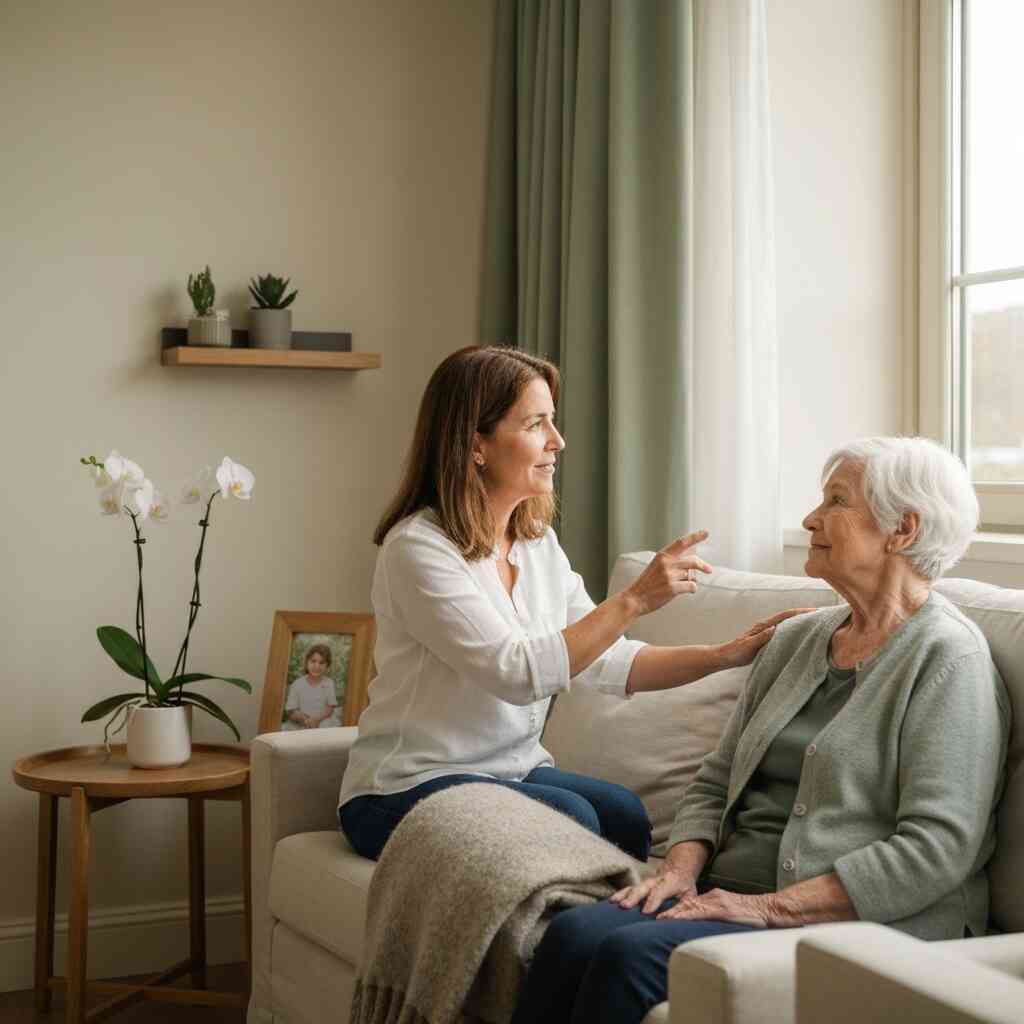
Evaluating the safety standards of senior living facilities is a crucial step in ensuring your loved ones receive the care and protection they deserve. In 2026, modern communities are combining physical accessibility with advanced protocols to create secure, comfortable environments. Choosing the right place for a parent or spouse is a deeply personal task. Transitioning to a new home brings up essential questions about daily protection, health monitoring, and overall well-being. By focusing on fundamental safety standards, you can find a community that offers professional support while still feeling like a genuine home.
Understanding the Core of Safety in Senior Living
Safety in any senior living facility starts with a culture of proactive care and continuous awareness. A secure environment is built on more than just locked doors and clear hallways. The community staff must be trained to identify potential health and mobility risks before they lead to accidents.
Residents in independent living spaces deserve an environment where they can remain active while knowing assistance is readily available. In 2026, high-quality senior communities emphasize regular physical and cognitive assessments to tailor care to individual needs. When touring a facility, observe the daily interactions between staff and residents. A warm, attentive atmosphere is a strong indicator of a well-run community where personal dignity and physical safety are balanced.
Essential Building Accessibility and Physical Safety Features
When aging in place at home becomes too difficult, moving to a purpose-built senior community offers practical advantages. Modern senior apartments and assisted living spaces are designed with specific physical safety features that prevent common injuries like falls.
Key accessibility elements to look for include:
- Zero-entry showers and grab bars: Essential for maintaining hygiene safely and independently.
- Wider doorways and hallways: Designed to easily accommodate walkers, wheelchairs, and emergency equipment.
- Non-slip flooring materials: Crucial for preventing slips in high-traffic common areas and bathrooms.
- Strategic, glare-free lighting: Proper illumination reduces confusion and helps seniors with vision impairments navigate corridors safely.
Do not overlook outdoor spaces. Ensure that ramps are well-maintained, walkways are level, and handrails are secure. Access to fresh air and outdoor movement is vital for mental health, but it must be supported by a safe physical environment.
The Critical Role of Regulatory Compliance
Regulatory oversight provides a baseline of protection for every resident. In the United States, senior housing options, including skilled nursing facilities and residential care homes, must adhere to strict state and federal guidelines to operate.
Compliance regulations govern critical aspects of daily operations, such as food safety, sanitation, emergency preparedness, and staff-to-resident ratios. When researching communities, always check their public safety and compliance records. Local health departments and state regulatory agencies provide inspection reports that show how well a facility addresses past citations. Working with a senior living advisor can help you interpret these records and choose a community that consistently meets or exceeds legal standards.
Modern Protection Systems and Technology in 2026
Technology has transformed the way senior communities manage safety. Today, the best facilities integrate subtle but highly effective electronic protection systems that respect resident privacy while offering rapid emergency response.
In 2026, advanced protection often includes:
- Smart fall-detection sensors: These passive systems can detect a fall without requiring the resident to press a button.
- Wearable emergency call buttons: Lightweight, waterproof pendants or wristbands that allow residents to summon help instantly from anywhere on the property.
- Integrated security and wandering prevention: For residents experiencing memory loss or dementia, secure memory care neighborhoods utilize gentle electronic monitoring to prevent wandering while maintaining a calm, residential feel.
Practical Steps for Families Evaluating Facilities
Finding the right fit requires looking past marketing materials and observing daily operations. When visiting potential communities, use a hands-on approach to evaluate their safety measures.
Ask the administration specific questions about their emergency response protocols. How often does the staff undergo safety training? What is the average response time when a resident uses an emergency call system? Additionally, pay close attention to the cleanliness of the common areas and the responsiveness of the staff during your visit. A community that prioritizes transparency and open communication will gladly answer these questions, giving you the peace of mind you need for your loved one's future.
Senior Living Facilities Safety Standards for Seniors 2026


Comments
Post a Comment