Pet-Friendly Assisted Living: A Practical Senior Guide
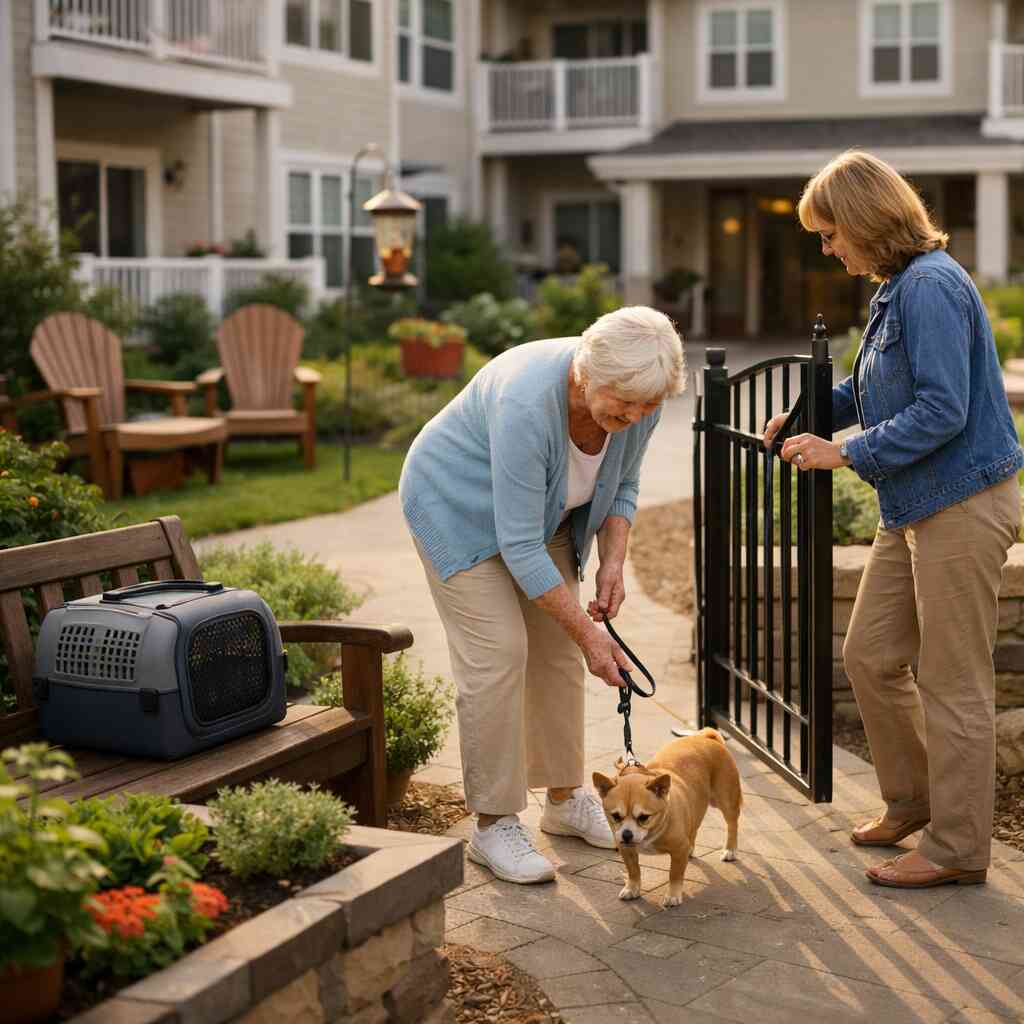
Pet-Friendly Assisted Living: What Families Need to Know
Pet-friendly assisted living can make a major difference when an older adult is ready to move but does not want to leave a beloved animal behind. For many families, the pet is not a bonus. It is part of daily comfort, routine, and emotional stability. That is why choosing the right senior living facility requires more than checking care levels and floor plans.
This guide explains how pet-friendly assisted living works, what rules to expect, and what questions can help you compare communities with confidence.
Why pets matter in assisted living
A move to assisted living can bring relief, but it can also create stress and loss. Pets often help reduce that strain. A dog can encourage movement and routine. A cat can provide companionship and calm. Even a small animal can make a new apartment feel familiar.
That emotional value is one reason pet-friendly housing for seniors has become such an important search term for families. When a community welcomes pets, it often shows a practical understanding of daily life, not just apartment design.
Pet-friendly does not mean pet-free rules disappear
A common mistake is assuming that “pet-friendly” means anything goes. In reality, every senior living facility sets its own policies. These rules may cover:
- Pet size or weight limits
- Breed restrictions
- Number of pets allowed
- Vaccination records
- Leash and cleanup rules
- Noise or behavior standards
- Pet deposits or monthly fees
Some communities are flexible with cats but more limited with dogs. Others allow one small pet only. It is always better to ask for the full policy before making any decision.
Assisted living for pet owners: the key questions to ask
When comparing assisted living locations, the pet policy should be part of the first conversation. Helpful questions include:
- Which animals are allowed?
- Are dogs, cats, or both permitted?
- Is there a weight or breed restriction?
- Is a pet deposit required?
- Are monthly pet fees added to rent?
- Who handles pet care if the resident is temporarily unable to?
- Are visiting pets allowed?
- Are there outdoor areas for walking a dog?
- How does the community handle noise or accidents?
Clear answers are a good sign. Vague answers usually mean more surprises later.
Service animals, emotional support animals, and companion pets
Families often use these terms interchangeably, but communities may treat them differently.
A service animal is trained to perform specific tasks for a person with a disability. These animals are not considered pets under many housing rules.
An emotional support animal may provide comfort and stability, but it is not the same as a trained service animal.
A companion pet is simply a pet that lives with the resident. This could be a dog, cat, bird, or another animal allowed by the community.
Because the rules differ, it is important to ask how each senior housing community defines these categories and what documentation, if any, is required.
How to compare senior living facilities with pets in mind
When touring a community, do not focus only on the model apartment or dining room. Look at how the environment will work for both the resident and the animal.
Pay attention to:
- Flooring that is easy to clean
- Safe walking areas nearby
- Elevator access if the resident cannot manage stairs
- Nearby grass or outdoor space
- Staff comfort with pet-related questions
- General cleanliness in shared spaces
- Whether residents seem comfortable with animals
A place may look polished but still be a poor fit if the pet policy is too limited or the daily routine is hard on the animal.
Why families try to avoid moving twice
One of the biggest reasons families search for pet-friendly assisted living is to avoid a second move. Rehoming a pet or separating a loved one from an animal can add emotional pain to an already difficult transition.
A single, well-planned move is usually easier on everyone. It gives the resident time to settle into the community while keeping a familiar companion nearby. That continuity matters more than many families expect.
Common mistakes to avoid
Families often run into trouble when they:
- Wait too long to ask about pets
- Assume all assisted living communities have similar rules
- Forget to ask about fees
- Overlook pet care support needs
- Ignore how the pet may affect future mobility or health changes
- Choose a community without checking whether the animal truly fits the environment
Taking the time to review the policy early can prevent disappointment later.
A simple way to narrow the search
The best approach is to compare care needs and pet needs together. Start with the level of support the resident requires. Then filter for communities that can also accommodate the pet.
A good match should feel safe, realistic, and comfortable for both. If a community offers excellent care but cannot support the animal, it may not be the right choice. If it welcomes pets but cannot meet care needs, that is also a mismatch.
Final thoughts
Pet-friendly assisted living is about more than allowing an animal to stay. It is about preserving routine, companionship, and peace of mind during a major life change. The right senior living facility should support the resident’s health while also respecting the bond they have with their pet.
If you are comparing communities now, keep the pet question front and center. Ask early, read the policy carefully, and look for a place where both the person and the pet can feel at home.
Senior Living Facilities Guide to Pet Friendly Assisted Living


Comments
Post a Comment