Skilled Nursing Facilities for Recovery Care: When to Choose
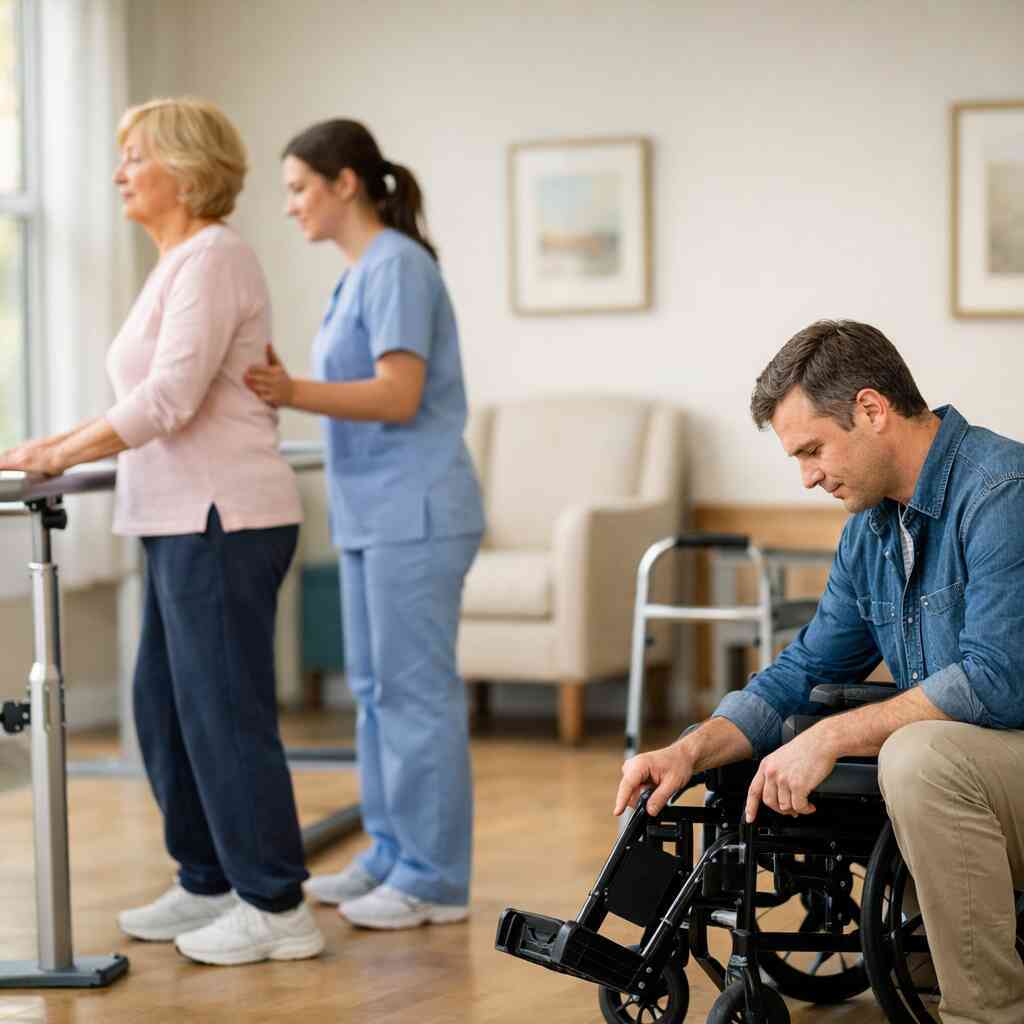
Skilled Nursing Facilities for Recovery Care: When to Choose
When a hospital stay ends, the next step is not always home. Skilled nursing facilities for recovery care can be the right choice when a person still needs medical oversight, therapy, and daily support after discharge.
This guide explains when that level of care makes sense, what it can provide, and how it differs from assisted living or a simple home recovery plan.
Why the post-hospital period can be harder than expected
Recovery does not always follow a straight path. A person may leave the hospital looking better, but still feel weak, confused, or unsteady. Family members often discover that the real challenge starts after discharge.
At home, it may be possible to handle meals, reminders, and light help. But if the person needs hands-on assistance with walking, dressing, bathing, toileting, wound care, or medications, the home setting can become unsafe very quickly.
That is where skilled nursing facilities may fit. They are designed for people who need more than supervision. They provide licensed nursing care along with rehabilitation services in a setting built for recovery.
Common signs that skilled nursing may be the safer choice
Not every patient needs this level of care. But certain warning signs usually point to a higher need after hospitalization:
- Repeated falls or a high risk of falling
- Trouble standing, transferring, or walking safely
- New confusion, poor memory, or disorientation
- Wounds, incisions, or pressure injuries that need monitoring
- Complex medication changes after discharge
- Need for physical therapy, occupational therapy, or speech therapy
- IV care or other medical treatment that cannot be managed well at home
- A caregiver who is not available around the clock
If several of these are present at the same time, a skilled nursing setting may offer a much safer recovery path.
What skilled nursing provides during recovery
Skilled nursing facilities are built to support active healing. That usually includes:
- 24-hour nursing supervision
- Medication management
- Wound care and infection monitoring
- Help with mobility and transfers
- Physical therapy after surgery or injury
- Occupational therapy for daily tasks and safety
- Speech therapy when needed for swallowing, speech, or thinking skills
- Coordination with doctors and discharge planners
This level of care is different from custodial support alone. It focuses on medical recovery, not just comfort or convenience.
Skilled nursing vs. assisted living
Families often compare skilled nursing and assisted living because the names can sound similar. The difference is important.
Assisted living is usually a better fit for people who need help with daily routines, but do not require ongoing clinical care. Skilled nursing is more appropriate when medical needs are still active and change is likely.
A simple way to think about it is this:
- Assisted living supports daily living
- Skilled nursing supports healing after illness, surgery, or injury
If the person still needs frequent nursing attention or therapy, assisted nursing care may be the more realistic option.
When therapy needs point toward skilled nursing
Therapy often helps determine the right setting.
Physical therapy may be needed to rebuild strength, improve balance, or learn to walk safely again after surgery or illness. Occupational therapy can help with dressing, bathing, toileting, and other daily tasks. Speech therapy may be needed after a stroke, illness, or surgery that affects swallowing or communication.
If these services are part of the discharge plan and must happen regularly, a skilled nursing facility may provide the structure needed to keep recovery on track.
Why discharge planning matters so much
A good discharge plan should clearly answer these questions:
- What can the person do independently?
- What needs help right away?
- How often is nursing care needed?
- What therapies are required?
- Is the home environment safe enough?
- What is the backup plan if recovery is slower than expected?
If those answers are vague, families often end up making stressful decisions later. Asking for plain language before discharge can prevent that.
Situations where home care may not be enough
Home recovery can work well for many people, but not when the care needs are too high. It may not be enough if the person:
- Cannot safely get out of bed or use the bathroom without help
- Needs daily wound care or close monitoring
- Becomes confused at night or wanders
- Has medication changes that are difficult to manage
- Is too weak to take part in therapy safely at home
- Has no reliable caregiver support
In these cases, skilled nursing facilities can provide a more stable and controlled environment for recovery.
How to think about the decision
Choosing recovery care is not about giving up independence. It is about matching the level of care to the current need. A short stay in skilled nursing can sometimes help someone regain enough strength and confidence to return home safely.
A helpful question is this: does the person need help with living, or help with healing? If healing is the main concern, skilled nursing may be the better option.
Final thoughts
The right recovery setting depends on medical need, safety, and available support. Skilled nursing facilities are often the best choice when a hospital discharge still requires nursing care, daily therapy, or close monitoring.
If you are weighing options, start with the discharge plan and look closely at what support is needed in the first days and weeks after hospitalization. That clarity can make the decision much easier and much safer.
When to Choose Skilled Nursing Facilities for Recovery Care


Comments
Post a Comment